Currencies in a Holding Pattern
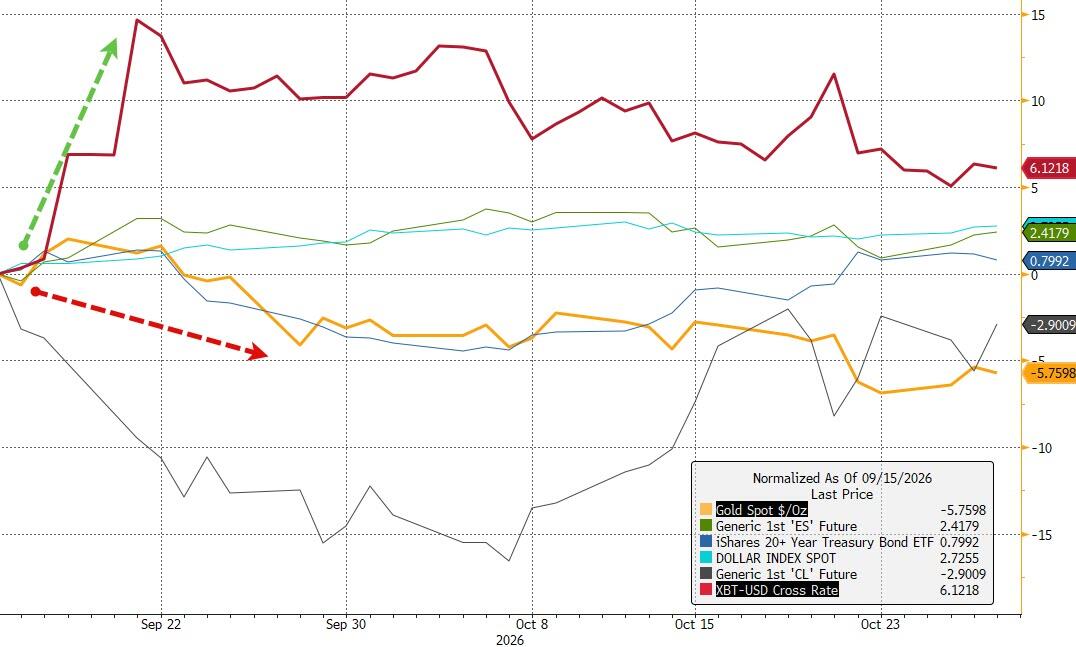
Major Asian currencies have been consolidating against the U.S. dollar in recent trading sessions, with most of the region's key FX pairs – including the yen, the Chinese yuan, the Korean won, and the Australian dollar – trading within a relatively narrow band. Rather than posting meaningful gains or losses, these currencies have been range-bound, reflecting a market that is largely on pause. Traders appear to be avoiding large directional bets, preferring to keep positions modest until a clearer catalyst emerges.
This consolidation phase is not unusual in the weeks leading up to a high-stakes political event, but the current setup is notable for the degree of restraint it shows across an entire region. Instead of the typical cross-currents – one currency rallying while another slips – the broad tape is pointing in the same direction: sideways movement with limited volatility.
Election Anxiety and Cautious Sentiment
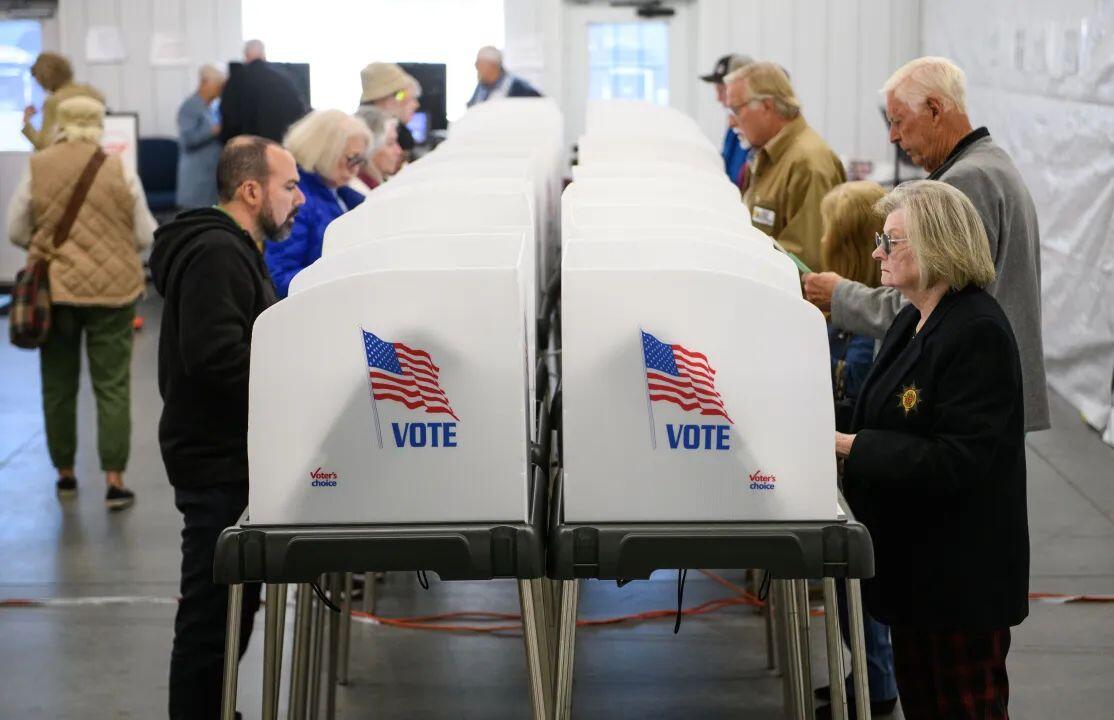
The dominant factor behind the subdued price action is the approaching U.S. midterm elections. While the vote will not directly set monetary policy in Asia, the outcome carries significant implications for U.S. fiscal direction, trade posture, and the broader risk appetite that flows through global equity and bond markets. A shift in congressional control could alter the trajectory of federal spending, tariff policy, and regulatory priorities, all of which feed back into dollar strength and, by extension, the relative value of Asian currencies.
Investors have been described as operating under a cautious, risk-off tilt in the run-up to the polls. That cautious sentiment is acting as a mild headwind for Asian FX, limiting upside even when local economic data are not particularly weak. In practical terms, it means that even a small improvement in regional growth indicators has not been enough to spark a sustained rally, because traders are reluctant to add exposure while the U.S. political picture remains unresolved.
What to Watch Going Forward
With the elections now on the horizon, the market's next move will likely hinge on the voting outcome and the immediate policy signals that follow. A result that is perceived as dovish on fiscal expansion or aggressive on trade could push the dollar higher and add further pressure on already-stretched Asian currencies. Conversely, a more moderate legislative path may relieve some of the overhang and allow the consolidation to resolve to the upside.
Until that uncertainty is resolved, the prevailing tone in Asian FX desks is one of patience. Positions are being kept light, stop-losses are wide, and the consensus view is that the current sideways action is a prelude to a more decisive repricing once the political dust settles. For now, the region's currencies remain in a holding pattern, with cautious sentiment capping any attempt at a broader move against the greenback.