Month-End and Equity Headwinds Hit Cattle Contracts
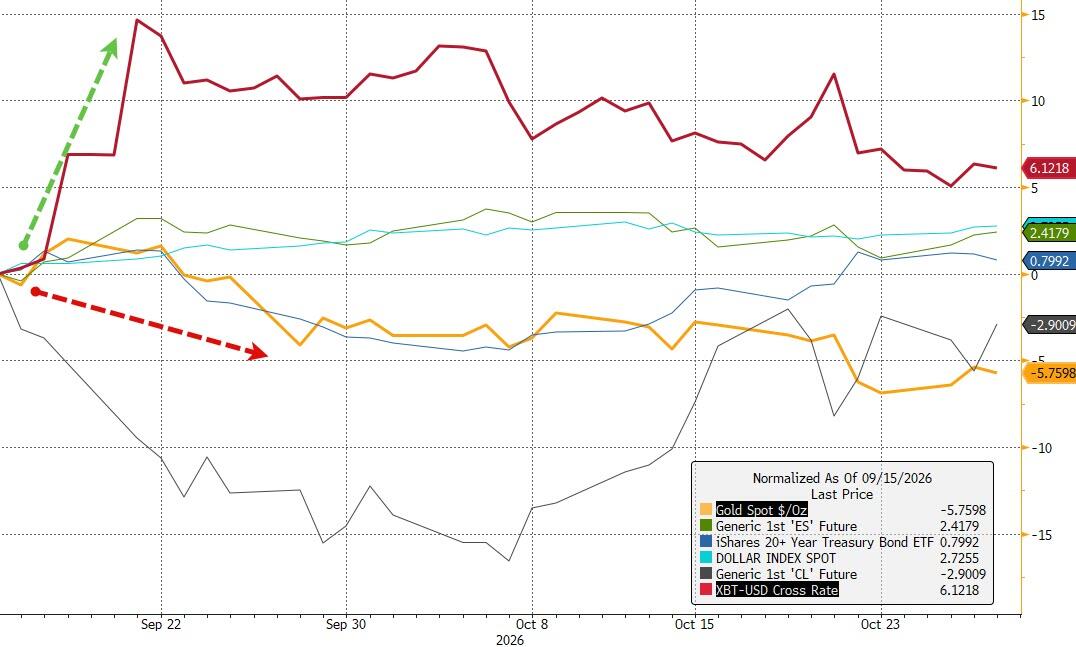
Live cattle futures came under notable selling pressure heading into the close of October, as traders unwound month-end positions and a steep decline in equity markets on Friday added to the bearish sentiment. Across the board, contracts finished the session between $3.27 and $5.35 below their prior settlement levels, reflecting broad risk-off positioning that spilled over from the stock market into agricultural derivatives.
Weekly Performance in the December Contract
The December delivery month, which typically carries the most trading volume and liquidity among nearby cattle contracts, bore the brunt of the weekly decline. It shed $10.17 over the five trading days, underscoring how the combination of portfolio rebalancing and macro equity weakness translated into sustained selling in the sector.
USDA Cash Trade Reports Show Softening in the Physical Market
On the cash side, the U.S. Department of Agriculture reported live cattle trade at a range of $224 to $225 per hundredweight for the week. However, the agency also noted that a small number of transactions were leaking down toward the $220 mark, suggesting that the physical market is showing modest softness at the lower end of the reported range. This divergence between the modal cash price and the outlier trades hints at some underlying supply pressure or reduced demand absorption at the lower price points.
Analytical Takeaway for Traders
From an analytical perspective, the October close in live cattle futures illustrates how correlated risk events—particularly sharp equity selloffs—can drag down livestock prices even in the absence of sector-specific negative news. Month-end fund rebalancing amplified the moves, a pattern traders should monitor as position-building cycles approach the end of each calendar month. The modest softness visible in USDA cash reports, with some trades edging toward $220, warrants attention as a potential early signal of weakening demand or easing supply constraints heading into November. Traders positioned in the December contract should be mindful of continued cross-asset volatility and the possibility that equity market turbulence could reassert its influence on agricultural derivatives in the weeks ahead.