Gold Steadies Amid Shifting Macro Signals
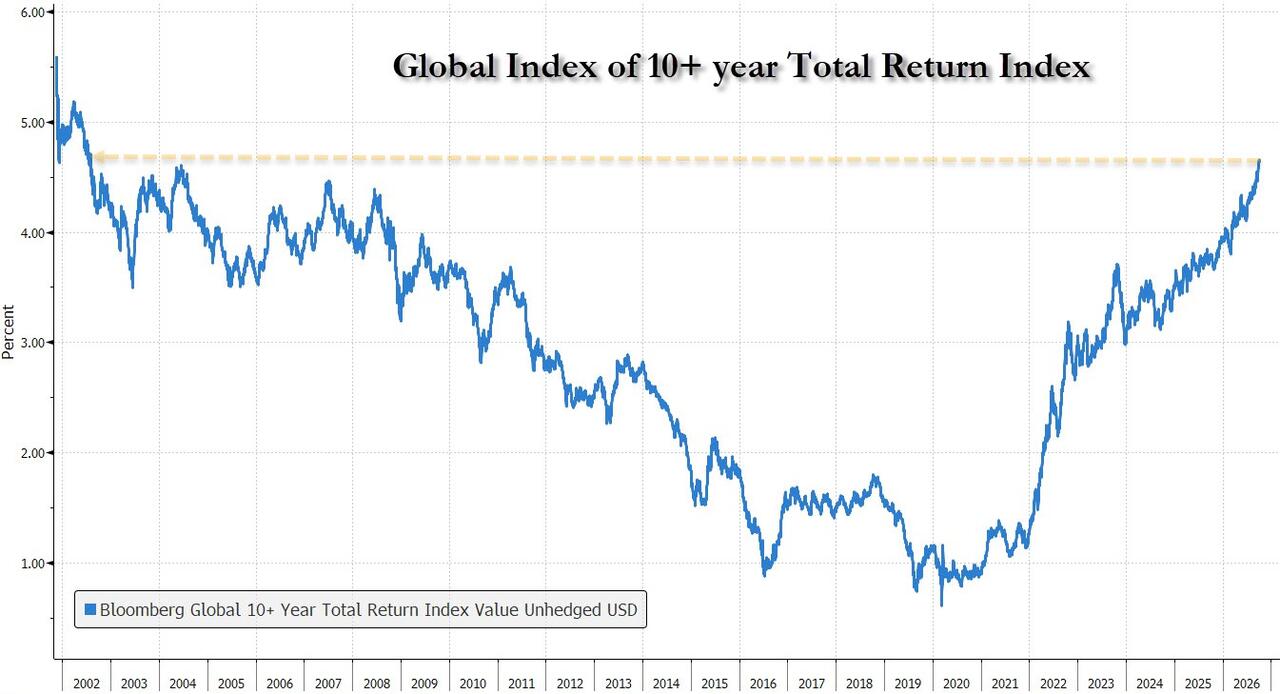
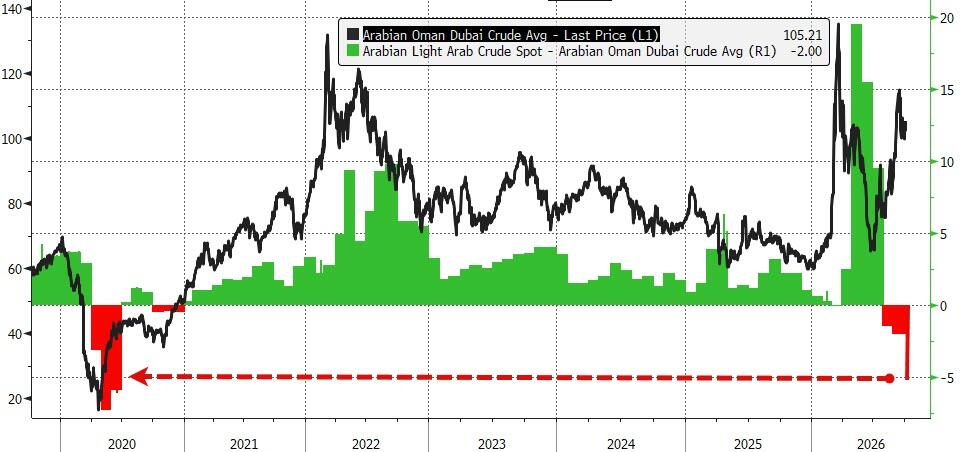
Gold prices maintained their recent gains during the session, with the yellow metal showing resilience despite broader market volatility. The primary driver behind the metal's stability was a combination of two macroeconomic factors: a noticeable increase in oil supplies originating from the Middle East and a measurable decline in government bond yields. Together, these developments softened the market's expectation that the US Federal Reserve would push forward with an interest-rate increase during the current month.
The link between oil supply dynamics and precious metals is not immediate but operates through the inflation and rate channels. A step-up in Middle Eastern crude output signals that global energy prices face less upside pressure, which in turn cools inflationary expectations. When inflation fears recede, the perceived need for aggressive monetary tightening diminishes, reducing the opportunity cost of holding non-yielding assets like gold.
Falling Yields Remove Headwinds for the Metal
At the same time, the pullback in bond yields represented a direct tailwind for the bullion market. When yields on Treasuries and other sovereign debt instruments decline, the relative attractiveness of cash-denominated assets falls, and investors tend to rotate toward hard assets such as gold that carry no counterparty or interest-rate risk. The two forces—easing oil-supply pressure and lower yields—therefore reinforced one another in lifting the floor under gold prices.
Implications for the Fed's Rate Decision
The broader significance of this session lies in what it reveals about the Federal Reserve's decision calculus. With energy-supply conditions improving and bond-market yields drifting lower, the case for an immediate rate hike this month has weakened in the eyes of many market participants. Traders and institutional investors appear to be pricing in a greater probability that the Fed will hold its benchmark rate steady, at least for the time being, rather than accelerating the tightening cycle.
For gold holders and prospective buyers, the message from this session is one of relative comfort: the near-term headwind of rising rates has lost some of its force, and the metal's price action reflects a market that sees the balance of macro risks tilting slightly more in its favor. Whether this stability extends into the coming weeks will depend on whether Middle Eastern supply gains are sustained and whether bond yields continue their gentle descent ahead of the next Federal Reserve announcement.