Oil Prices Retreat on G7 Reserve Release
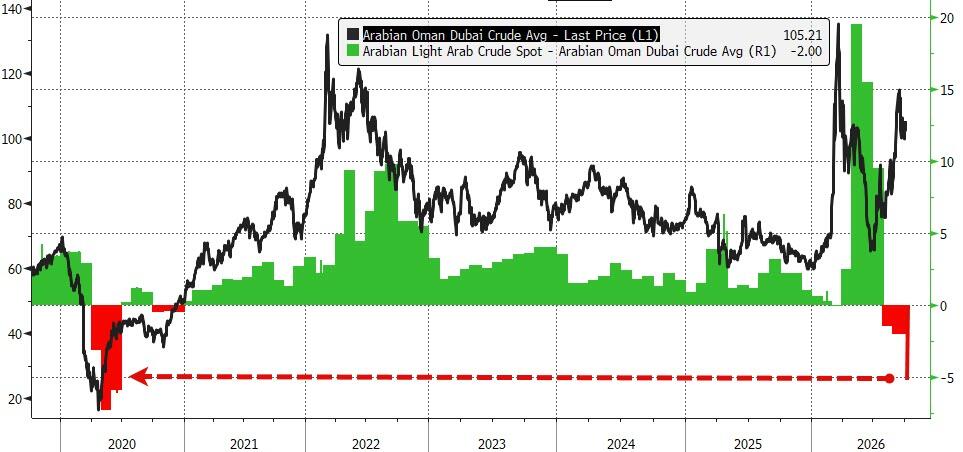
West Texas Intermediate (WTI) crude oil traded near the $88.50 level as markets digested news that the Group of Seven industrialized nations would proceed with a coordinated release of oil from their strategic reserves. The announcement added fresh supply-side pressure to a market that had already been navigating elevated volatility, nudging benchmark prices lower in the immediate aftermath.
The G7 reserve release represents a coordinated policy response aimed at tempering crude prices and easing fuel-cost pressures across member economies. By committing to draw down stored barrels, the group signaled an intent to increase the effective supply available on global markets, a factor that directly pressures near-term pricing.
Traders and analysts typically interpret such coordinated stockpile actions as a short-term bearish catalyst for crude, since the incremental barrels hitting the market expand the supply pool and reduce the scarcity premium that had been embedded in prices. The move near $88.50 reflected that dynamic, with sellers stepping in to lock in gains ahead of the expected physical delivery.
Market Implications
While the immediate price reaction was modest, the broader significance of a G7-level reserve release lies in the signal it sends to producers, refiners, and speculators alike. A coordinated drawdown from the world's largest economies underscores that policymakers view current price levels as warranting intervention, which can shift market sentiment over the coming sessions.
For forex and energy traders, the episode reinforces the tight coupling between macroeconomic policy decisions and commodity pricing. Even without a change in OPEC+ output targets or broader geopolitical developments, a single coordinated reserve announcement can be enough to tilt the balance between buyers and sellers, as the slide toward $88.50 demonstrated.
Market participants will likely monitor whether the announced release translates into an immediate physical increase in trading volumes or whether it remains largely a statement of intent, as the distinction will determine how durably the price pressure persists beyond the initial reaction.