Market Snapshot
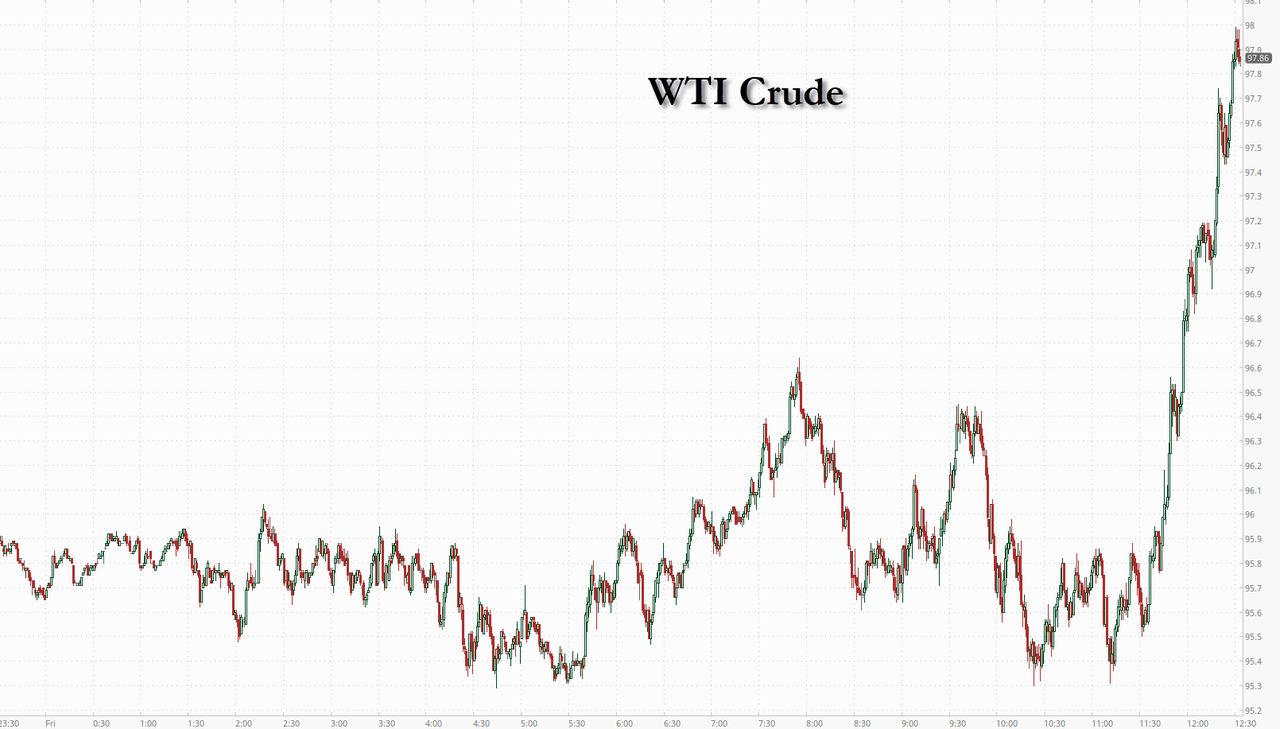
On October 26, crude oil prices registered a modest decline, reflecting a market that appeared to have largely digested the ongoing geopolitical friction between the United States and Iran. Neither side moved beyond its established pattern of pointed statements and retaliatory language, leaving traders with little new information to act upon. With the conflict narrative neither intensifying nor showing signs of resolution, the geopolitical premium embedded in crude contracts found no fresh catalyst to sustain itself.
Geopolitical Rhetoric Remains the Dominant Driver
The persistent back-and-forth between Washington and Tehran continued to shape sentiment in energy markets, though the tone of the exchanges offered no significant departure from recent weeks. Both governments maintained their familiar postures — issuing warnings, making demands, and signaling resolve — without introducing new escalatory steps or diplomatic overtures. For market participants, this predictability meant the geopolitical risk component of the oil price equation remained largely unchanged, stripping away the urgency that had driven earlier buying. The absence of any concrete de-escalation, however, kept a baseline level of risk premium in place, preventing a more pronounced sell-off.
Technical Indicators Flag Overbought Conditions
Compounding the modest price retreat, a widely watched technical gauge pointed to overbought conditions in crude. When such indicators signal that an asset has been bid up beyond its recent average trading range, the probability of a pullback or consolidation period increases. In this case, the technical readout reinforced the bearish tilt of the session, giving traders a data-driven reason to trim positions or take profits rather than add to long exposure. The confluence of a stalemate in geopolitical messaging and a technical setup suggesting the market had run ahead of itself created a session in which downside pressure, while mild, was the prevailing direction for crude prices.