A Shifting Foundation for Portfolio Defensiveness
The conventional playbook that treats US Treasury bonds as the go-to defensive asset is coming under scrutiny. According to Citigroup Inc.'s chief executive for Australia, the greenback's benchmark debt is steadily losing its appeal as a reliable portfolio hedge. The banker pointed to three converging pressures: a growing volume of new supply hitting the market, inflation that has refused to normalise, and a structural shift in what economists call the neutral interest rate. Together, these forces are, in his assessment, weakening the case for Treasuries as a safe-haven allocation.
Supply, Inflation, and the New Neutral Rate
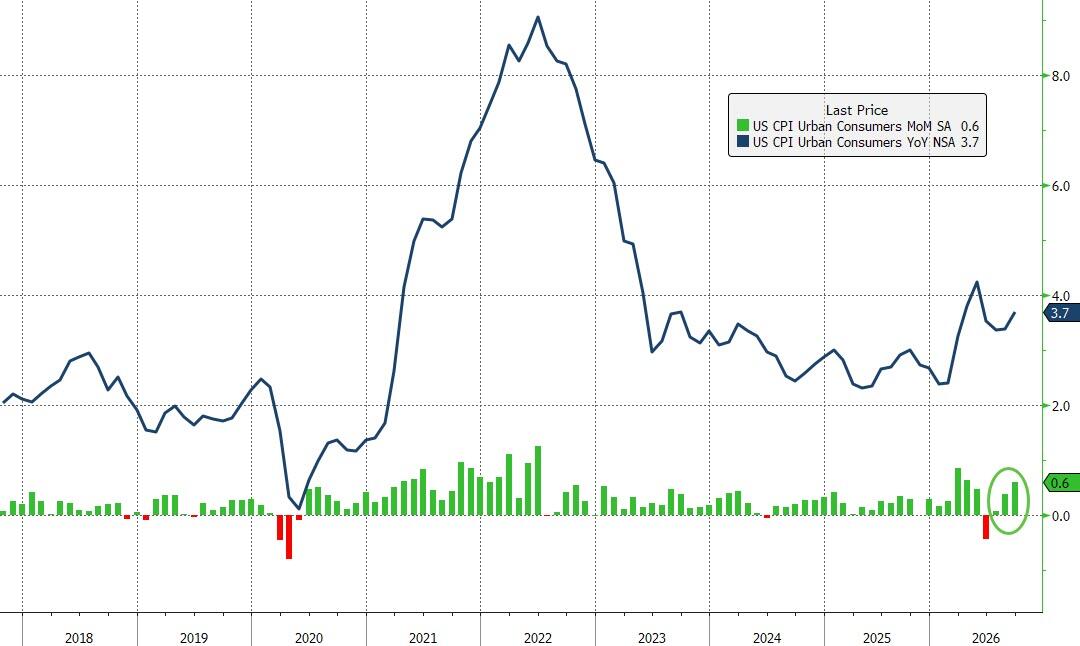
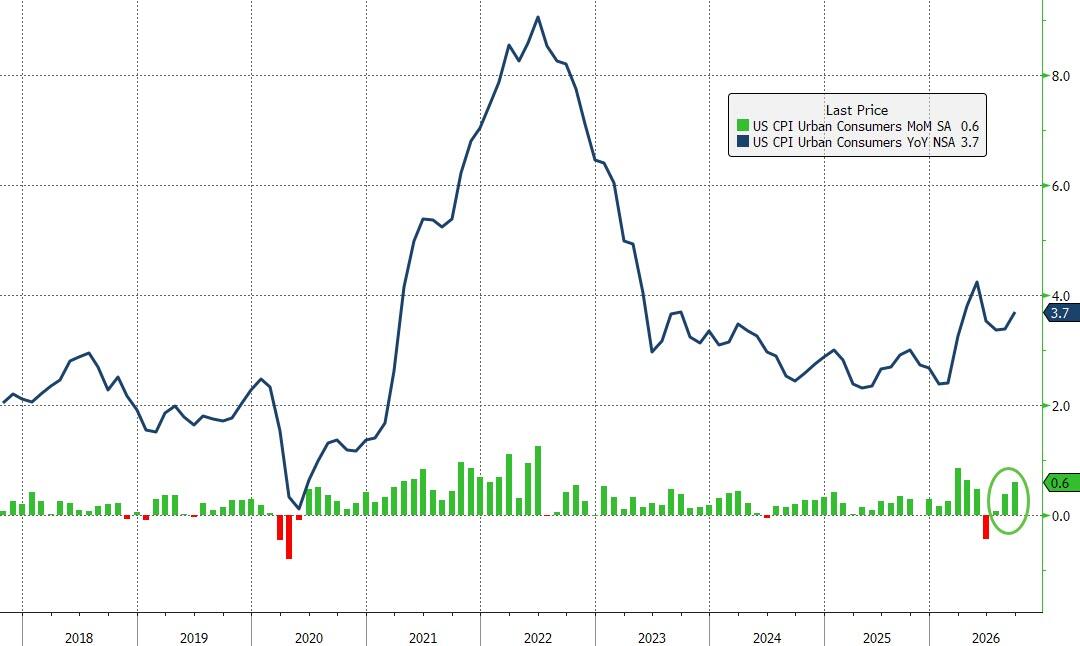
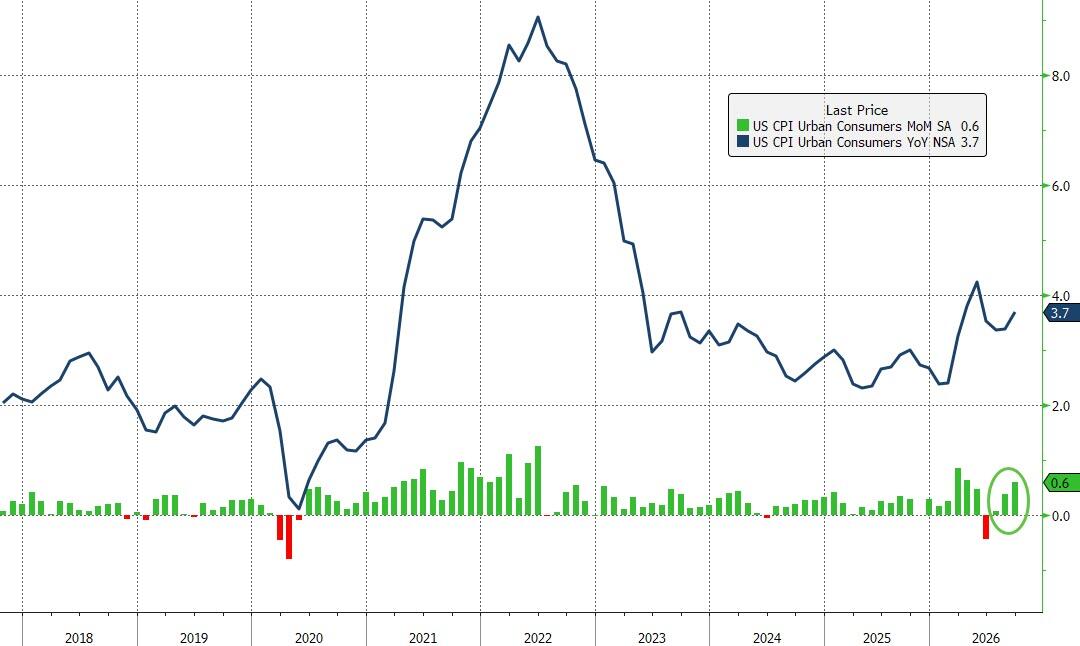
Each of the three drivers carries distinct implications for risk management. On the supply side, the US Treasury has been issuing large volumes of debt, increasing the competitive pressure that any new buyer faces. Persistent inflation complicates the real-return calculus: when price growth remains elevated, the fixed coupon of a long-dated bond buys less in real terms than it did a few years ago. Finally, the concept of the neutral rate — the level of interest that is neither stimulative nor restrictive for the economy — appears to be trending higher than the near-zero levels many market participants took for granted after 2008. A structurally higher neutral rate implies that even in a benign macro environment, yields are likely to sit above the historic lows that made Treasuries an almost risk-free store of value.
What It Means for Traders and Portfolio Managers
From an analytic standpoint, the Citi Australia CEO's remarks are a signal to hedge-fund desks, sovereign wealth funds, and retail forex traders alike that the assumed negative correlation between equities and Treasuries may be less dependable than it was during the 2010s. If Treasuries no longer provide a clean counterweight to equity drawdowns, portfolio managers need to look further afield for diversification — whether that means shorter-duration credit, selective commodity exposure, or alternative yield strategies. For forex participants, the commentary also underscores that the dollar's safe-haven bid, often supported by flight-into-Treasuries flows, could weaken in a stress scenario, with knock-on effects for major G10 cross rates. The key takeaway is not that Treasuries will disappear from portfolios, but that the reflexive assumption that they will always absorb shock is no longer supported by the current supply-demand, inflation, and rate environment.