Minister Katayama Signals Willingness to Intervene Again
Japanese Finance Minister Satsuki Katayama has issued a fresh warning to currency speculators, stating that her government remains prepared to step into the foreign exchange market once more should the yen continue to weaken. The remark came as the yen reached its weakest level against the US dollar this month, a slide that followed a recent uptick in American inflation data.
By using the word "again," Katayama implicitly acknowledged that Tokyo had already deployed intervention tools in the past and made clear that additional measures are not off the table. The message was directed squarely at traders positioning against the yen, underscoring that unilateral drift in the JPY/USD pair is not something the Japanese authorities intend to tolerate indefinitely.
US CPI as the Immediate Catalyst
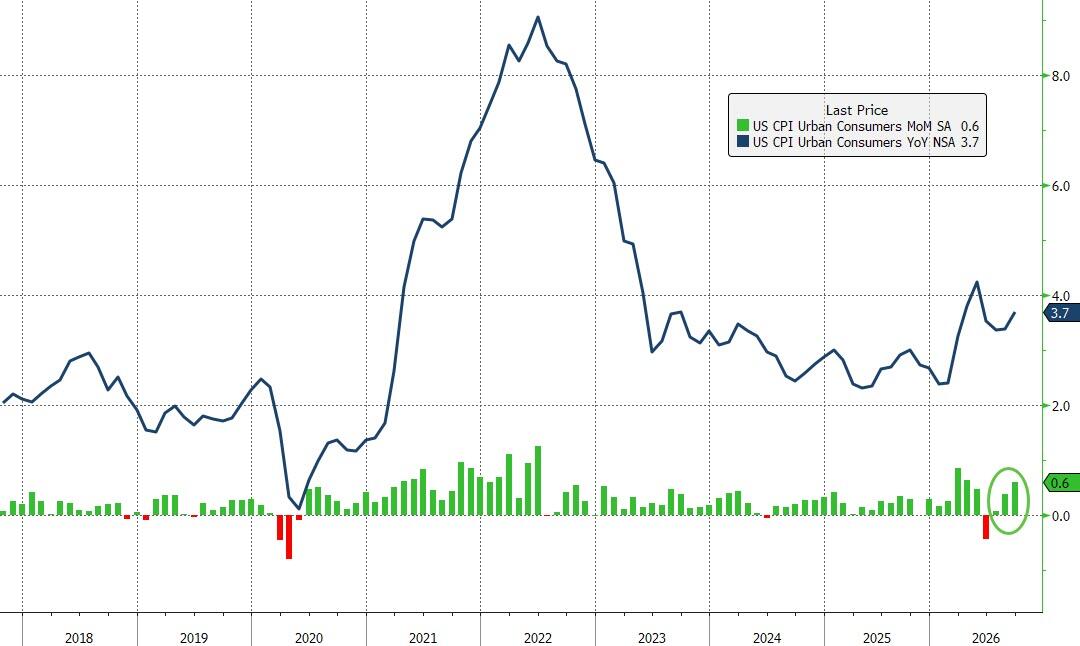
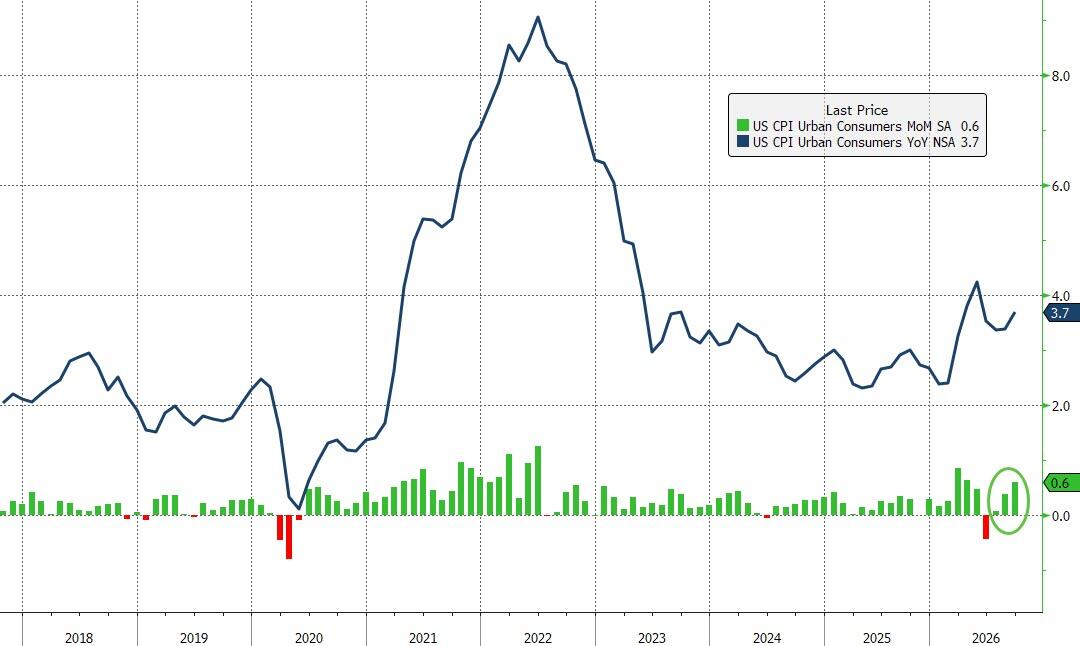
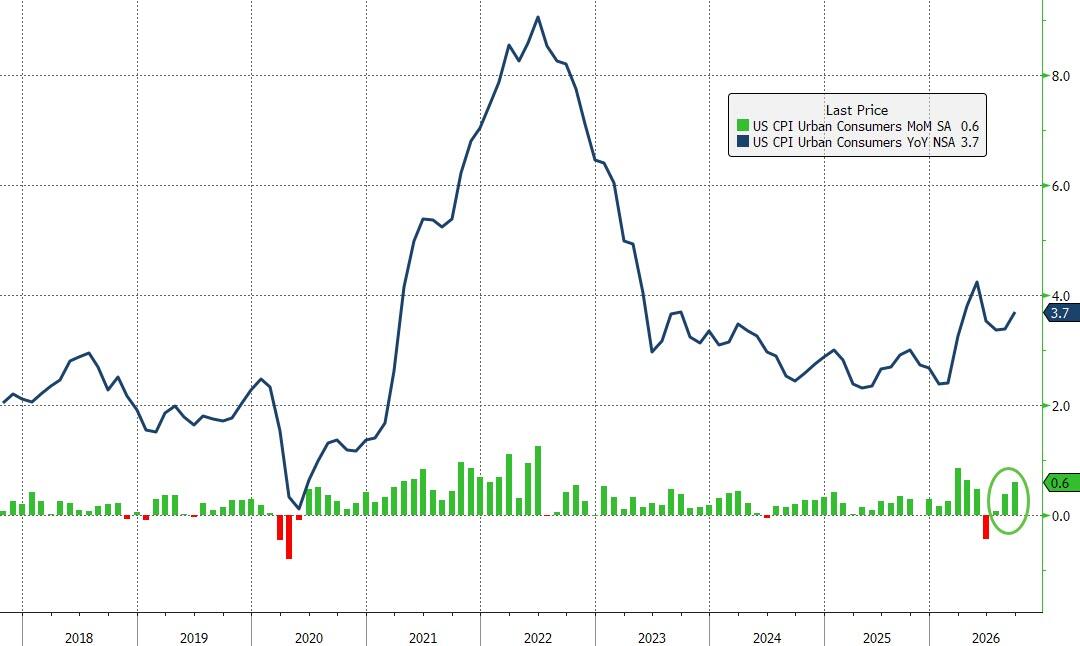
The proximate trigger for Katayama's latest caution was a strengthening of US inflation figures, commonly tracked through the Consumer Price Index (CPI). Hotter CPI prints tend to reinforce the view that the Federal Reserve may hold off on rate cuts for longer, which in turn supports the dollar and puts additional downward pressure on the yen. The combination of a firmer USD and a softer JPY pushed the pair to a fresh monthly low, prompting the finance ministry to reassert its vigilance.
For forex participants, the sequence of events highlights a recurring vulnerability: any surprise to the upside in US price data can rapidly compress the yen, particularly when Japanese monetary policy remains accommodative relative to its American counterpart.
What Traders Should Take From the Warning
From an analytic and risk-management perspective, Katayama's statement carries several practical implications for those trading JPY pairs:
- Intervention risk is elevated. A direct verbal warning from the finance minister is historically one of the clearest precursors to actual market intervention. Traders holding large one-sided yen positions should factor in the possibility of sudden, gap-like moves once the Bank of Japan or the Ministry of Finance decides to act.
- The "again" factor matters. The reference to prior intervention signals that Tokyo has already spent reserves and that a second round of action is politically and operationally feasible. This raises the probability threshold for a repeat event compared to a market where no prior intervention has occurred.
- US data releases remain the key risk window. As long as the CPI and related inflation indicators continue to surprise to the upside, the structural pressure on the yen persists, and the likelihood that Katayama invokes her warning again increases.
Broader Context for the JPY/USD Pair
The yen's weakness in the current cycle is not an isolated phenomenon; it reflects the wider divergence between US and Japanese monetary stances. However, Katayama's intervention-ready posture introduces a policy floor that pure market forces alone would not provide. For analysts and traders, the practical takeaway is that JPY/USD movements above recent lows may attract active official pushback, compressing upside potential for the dollar and creating asymmetric risk for those holding long-USD / short-JPY positions into the next round of US inflation data.
In sum, the Japanese government has made its red line explicit once more. Whether that line holds will depend on how aggressive US inflation prints continue to be and how quickly market participants price in the prospect of a second intervention episode.