Research Reveals Short-Lived Price Jumps Following Paid Options Alerts
A recent academic study, as reported by Bloomberg, illuminates how options trading alerts shared in private Discord channels can temporarily inflate contract prices — only for those gains to reverse within a couple of hours. The findings suggest the very act of followers rushing to buy a recommended contract is what generates the initial spike, rather than any fundamental improvement in the underlying asset.
Researchers analyzed activity across 15 fee-based Discord trading groups and identified a remarkably consistent sequence. A community leader posts a specific options trade, members flood into the contract, trading volume spikes, and the price surges. That momentum, however, typically dissipates quickly.
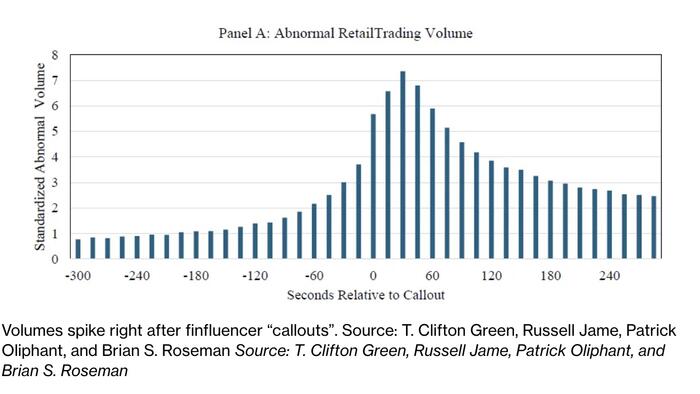
The data showed retail buying following these alerts reached approximately 14.5 standard deviations above the norm. Recommended options posted an average gain of roughly 3% in the first minute after the tip was broadcast. By the two-hour mark, the vast majority of that price movement had unwound.
Structural Advantage for the Tipster
The mechanics of this dynamic create a clear edge for the person sending the alert. By entering a position before broadcasting the recommendation, the finfluencer secures a lower entry price. Followers who react seconds or minutes later are already paying an inflated premium.
The study found that once transaction costs were factored in, subscribers generally ended up with net losses even when they executed their trades almost immediately after receiving the signal.
Brian Roseman, a finance professor at Oklahoma State University, described the dynamic in straightforward terms: the typical finfluencer locks in a favorable position first, and then the collective rush of followers lifts the price. What appears to be skilled selection of quality options, he noted, is in reality the influence itself pushing prices higher.
A Case Study and the Community Business Model
A specific example from May 2025 illustrates the pattern in action. Shortly after the opening bell, a Discord community member urged followers to purchase call options on eBay stock with an expiration two days out. The contracts immediately climbed by around 30%. Within minutes, the poster boasted about the move and confirmed he had already banked a quick profit. The rally subsequently faded.
The broader ecosystem works as follows: personalities build followings on platforms like X and YouTube, then funnel their audiences into private Discord servers that charge a recurring monthly fee. In exchange, members receive concrete options recommendations, suggested entry levels, and occasionally guidance on when to take profits.
The trades being pushed are overwhelmingly high-risk. The median option in the dataset had only about three days remaining until expiration, carried a premium of roughly $1.25, and delivered approximately 30 times leverage. Despite the elevated risk, subscribers engaged most enthusiastically with the most speculative picks — the very ones that tended to underperform.
Russell Jame, a finance professor at the University of Kentucky, characterized the overall activity as resembling gambling more closely than conventional investing, driven by the allure of large percentage returns on small capital outlays.
Pre-Alert Activity, Regulatory Questions, and the Marketing Effect
The researchers also detected elevated trading in certain contracts in the minutes before an alert was issued. However, they were unable to conclusively determine whether specific individuals had advance knowledge of the recommendation or whether the influencers were simply gravitating toward contracts that were already in motion. The post-alert behavior, by contrast, was unambiguous: buying volume surged immediately after tips, and selling accelerated when followers were instructed to close positions.
Importantly, the study does not level accusations of market manipulation or misconduct against the Discord operators. Instead, it highlights a regulatory gray area — the boundary between paid social media commentary and what might constitute formal financial advice.
There is also a significant promotional dimension at play. A sequence of small losses can be easily overshadowed in a community feed by the rare option that doubles or even triples in value. Those eye-catching winners serve as powerful marketing content, even when the average subscriber is losing money over the full sample period.
T. Clifton Green, a finance professor at Emory University, observed that subscribers will inevitably see both winners and losers. But those drawn in by promises of extraordinary returns may ultimately find themselves participating in a system that, on balance, generates modest net losses.