The Yield Headwind Beneath the Spotlight
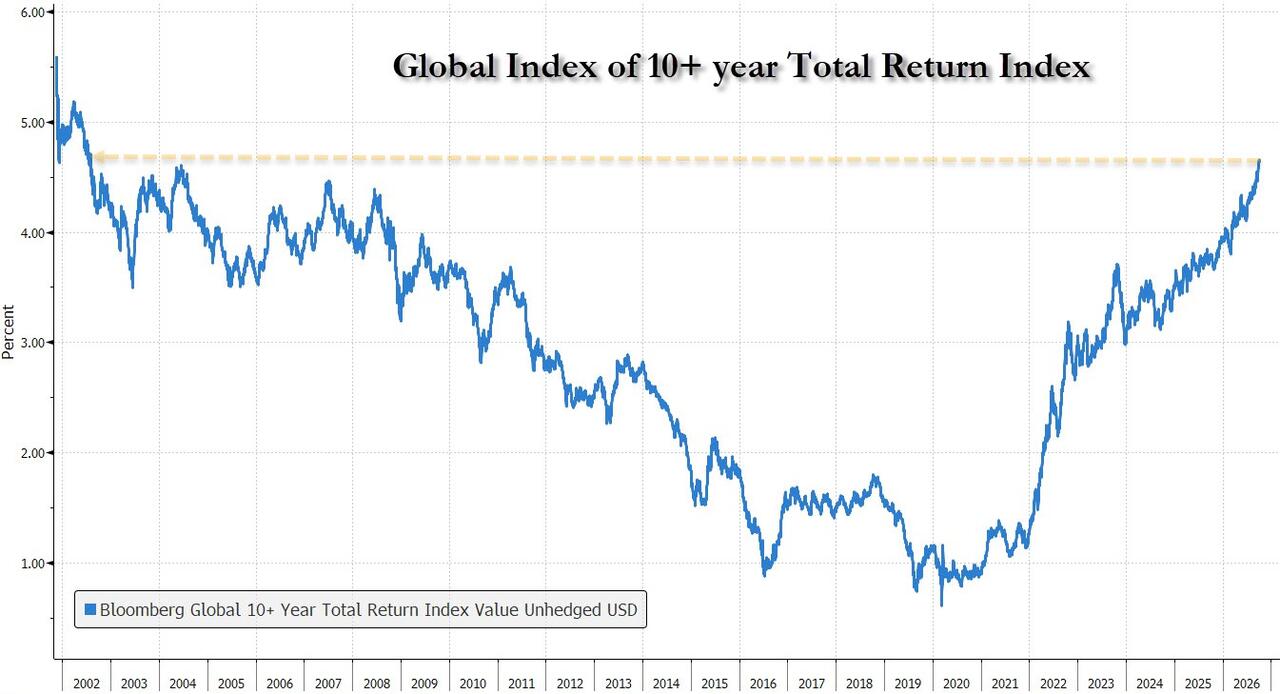
A growing divergence is shaping the 2026 equity landscape. As Treasury yields climb to elevated levels, a portion of the market that posted strong gains in the first months of the year is now absorbing meaningful selling pressure. The damage, however, is largely out of view. Investor and media focus has snapped back to a narrow cluster of high-profile technology stocks, leaving the broader tape of rate-sensitive winners to fade quietly in the background.
The mechanism is straightforward but consequential: higher yields raise the discount rate applied to future cash flows, compress valuations most aggressively in stocks whose price already reflects long-dated growth expectations. Sectors that benefited from the early-2026 rally—often those with extended multiples and duration-heavy earnings profiles—find their pricing advantage eroding as the risk-free rate moves against them.
What Traders and Analysts Should Watch
From an analytical standpoint, the key risk is complacency. When a handful of glamorous names dominate headlines and portfolio flows, the rest of the market can drift into a passive hold. Traders who bought into the early-2026 leaders on momentum may not realize their positions are now underperforming the broader index as yields grind higher.
Several practical considerations follow:
- Relative-performance tracking. Comparing the current return of early-2026 sector leaders against the broader market reveals the extent to which yield sensitivity has turned a strength into a vulnerability.
- Duration exposure. Stocks whose earnings are heavily weighted toward future years are disproportionately penalized when the yield curve shifts upward. Portfolio managers should reassess the implied duration of their equity holdings.
- Narrative risk. The concentration of attention on a small group of tech names can mask broad-based de-rating elsewhere, making it harder to spot when a once-glamorous sector begins to underperform.
The Bigger Picture for 2026
The episode underscores a recurring theme in market cycles: the stocks that led the initial leg of a rally are often the first to feel the impact when the macro backdrop—particularly the yield environment—turns. The 2026 tape is no exception. With Treasury yields surging and the spotlight locked on a few household-name tech firms, the investors most exposed to the quiet losers of the year are those who assumed early momentum would persist regardless of rate conditions.
For analysts covering the "Analytic" desk, the takeaway is clear: yield-driven valuation compression is a slow, often underreported force. It does not announce itself in a single headline; it accumulates position by position, sector by sector, until the early winners of 2026 are no longer winners at all.