A Dramatic Policy Reversal in the Shadow of the Midterms
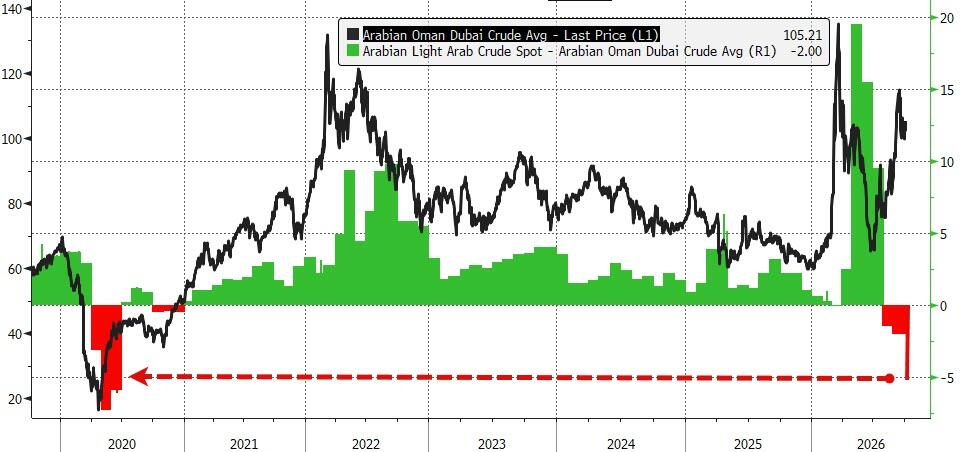
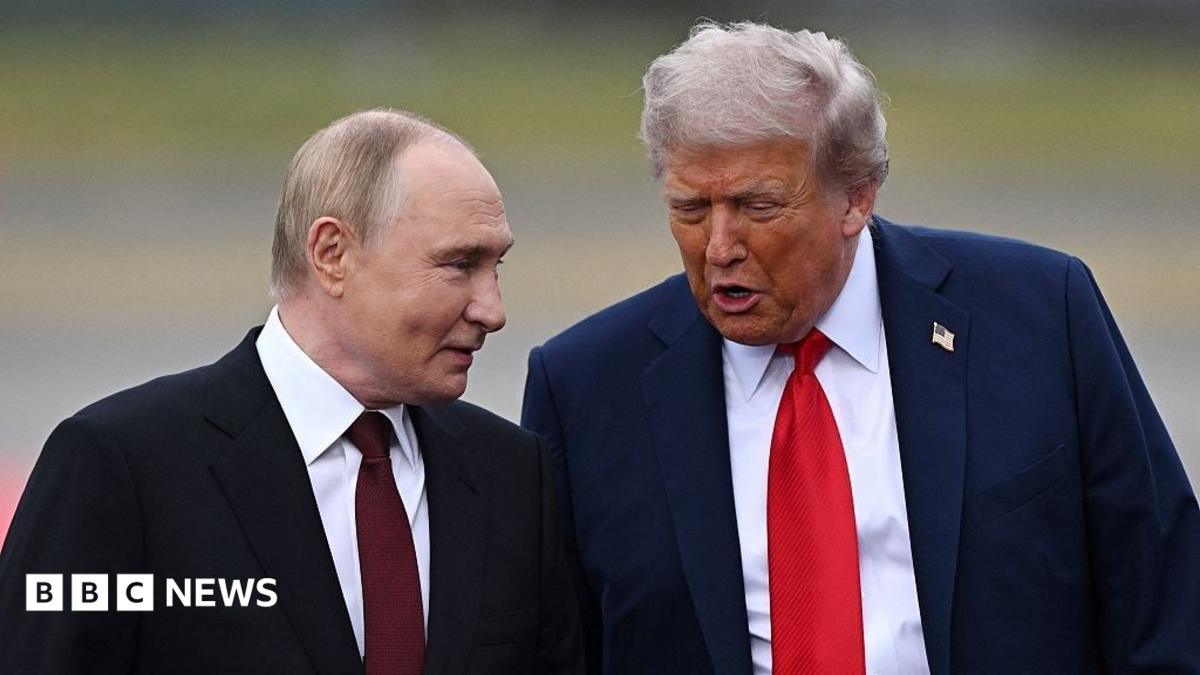
President Donald Trump's announcement that Russia will supply hundreds of thousands of tons of diesel fuel to American and global markets marks a stark departure from his own administration's recent posture. Just three weeks prior, he signed legislation authorising new sanctions and tariffs against countries that purchase Russian oil and gas. The about-face comes at a particularly sensitive moment: the Iran conflict continues to weigh on global energy costs, and American voters head to the polls in November with fuel prices still climbing.
The political stakes are high. Over the past seven months, prices for energy, fuel, and consumer goods have risen steadily, even as the White House repeatedly assured the public that a resolution to the war and a subsequent easing of economic pressure were imminent. Trump's approval ratings have eroded as pump prices surged and broader inflation took hold. His administration has already taken a series of stopgap measures—pressuring European partners to release strategic reserves, deferring federal fuel taxes, and permitting diesel originally earmarked for agricultural use to be redirected to interstate trucking. He has also stated he will not resume strikes on Iran until after the midterms, a pointed admission of the conflict's domestic political toll.
The agricultural states of Iowa, Kansas, Texas, and Ohio have emerged as unlikely swing battlegrounds. These regions depend heavily on diesel to run farm equipment and move produce to market, making them acutely vulnerable to energy-price shocks. Trump framed the Russian deal in those terms on Truth Social, calling lower prices for "our Great Farmers, Ranchers, and Truckers" his "Greatest Priority."
Diplomatic Friction and Strategic Contradictions
The announcement has immediately drawn fire from multiple directions. European allies and members of Congress have questioned whether the administration is now effectively channeling hard currency into Moscow's defence budget. Ukrainian President Volodymyr Zelensky took to X to condemn the arrangement, calling it a "gift" to President Vladimir Putin that Russia would "repay" through "terror and perfidy." He added that permitting Russia to sell petroleum products amounts to "an investment in a war that must be ended, not prolonged."
Complicating the picture further, the mechanics of the deal remain opaque. Trump's social-media posts have historically offered incomplete information, and no public details have emerged about how the fuel will reach the market, on what timeline, or what concessions Moscow might extract beyond immediate cash. Russia's domestic diesel refining capacity, meanwhile, has been degraded by repeated Ukrainian strikes—attacks Trump has reportedly urged Kyiv to tone down. The interplay between those military operations and the commercial deal adds a layer of strategic ambiguity that analysts are still working to parse.
Can the Market Actually Feel the Difference?
From a purely quantitative standpoint, the promised volume is modest relative to US demand. The United States consumes roughly 3.6 million barrels of diesel per day. Even if Russia delivers its pledged 300,000 tons within the current month, that represents only about half of a single day's American usage. The European reserve release that Trump had earlier pushed for has also failed to produce a meaningful dip in energy prices so far.
There is, moreover, no confirmed information on the speed at which Russian shipments could physically enter the global market. Logistics, sanctions-workaround mechanisms, and the state of Russian refining infrastructure all introduce timing uncertainty. For individual consumers at the pump, the near-term price effect may be negligible.
The Electoral Calculus
With less than a month until the November midterms and early voting already underway in numerous states, the window for a visible price correction is closing rapidly. The deal, whatever its long-term strategic costs, is best understood as a last-minute attempt to alter voter sentiment in the agricultural and trucking-heavy states that could determine whether Republicans retain control of Congress.
For traders and investors tracking the energy complex, the episode highlights a recurring theme: political announcements about supply do not automatically translate into market-moving volumes. Until concrete shipping data, contract terms, and delivery schedules are published, the most defensible analytical stance is to treat the announcement as a political signal rather than a near-term price catalyst. The broader question—whether Washington can reconcile its energy-security interests with the geopolitical constraints of the Iran and Ukraine conflicts—remains unresolved well beyond the November ballot box.