A Drop in the Bucket for American Driveways
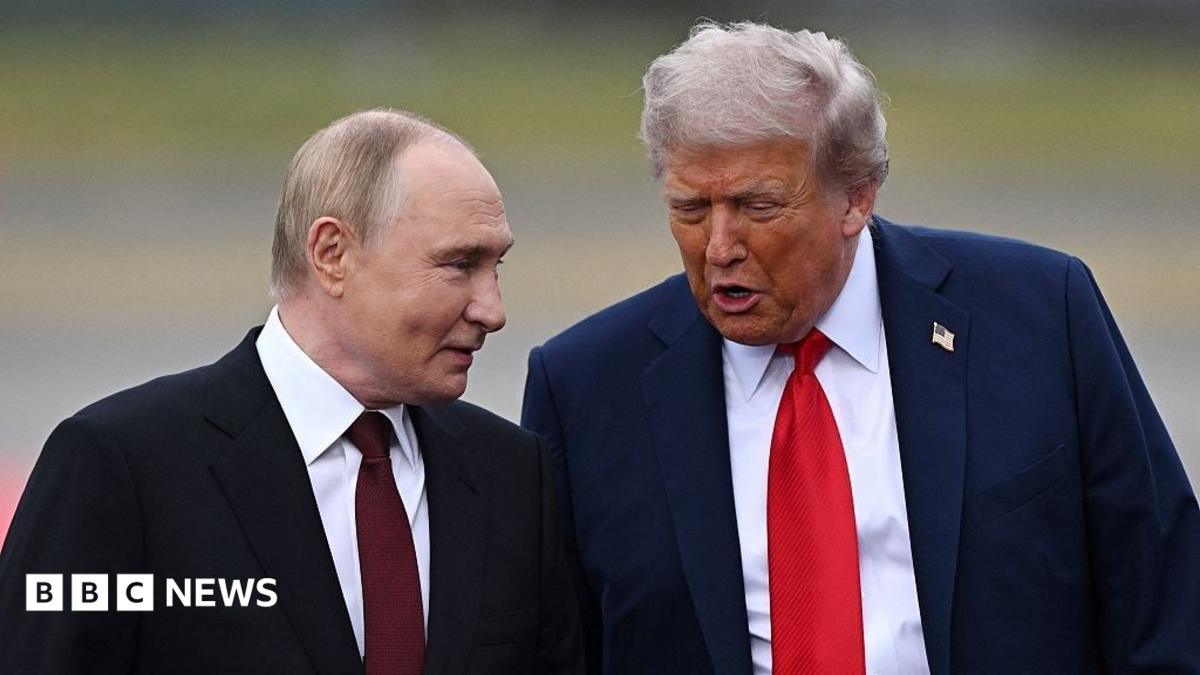
The deal struck between President Donald Trump and Moscow for the supply of Russian diesel fuel is expected to have a negligible effect on U.S. pump prices, according to Chris Kennedy, who leads the Economic Statecraft desk at Bloomberg Economics. In an appearance on Bloomberg's This Weekend program, Kennedy explained that the volume of diesel scheduled for a November delivery is on the order of one day's worth of American consumption, a figure far too small to register any meaningful shift at the gas station.
Kennedy made the assessment while speaking with the show's hosts, David Gura and Christina Ruffini, who probed the practical implications of the trade arrangement for domestic energy markets.
Can Moscow Actually Deliver?
Beyond the modest volume, Kennedy raised a series of doubts about whether Russia can fulfill its side of the bargain at all. He pointed to sustained damage to Russian refineries — a consequence of Ukraine's ongoing strikes on energy infrastructure — as a serious constraint on the country's ability to produce and export diesel in the volumes now being discussed.
Logistical hurdles compound the problem. Getting refined fuel from Russian ports to U.S. terminals involves a complex web of shipping, storage, and compliance steps that are not trivially solved by a political handshake. Kennedy also flagged the possibility that legal restrictions, whether domestic or international, could further impede or even block the flow of barrels, leaving the deal more of a headline than a functioning trade channel.
Geopolitical Side Effects for Ukraine
Perhaps the most consequential ripple of the arrangement, Kennedy suggested, is its potential to interfere with Ukraine's military campaign targeting Russian energy infrastructure. By formalizing a diesel supply pipeline from Russia to the United States, the agreement could create political and diplomatic friction that complicates Kyiv's efforts to degrade Moscow's refining and export capacity — the very facilities that would need to remain operational for the fuel to reach American shores.
What It Means for the Broader Oil Market
Taken together, Kennedy's comments paint a picture of a deal whose symbolic weight far exceeds its commercial impact. For U.S. consumers watching prices at the pump, the November shipment is unlikely to be a factor. For analysts tracking the intersection of energy trade, sanctions, and the Russia-Ukraine conflict, however, the arrangement raises fresh questions about enforcement, market access, and the limits of diplomatic agreements to reshape supply chains under wartime conditions.