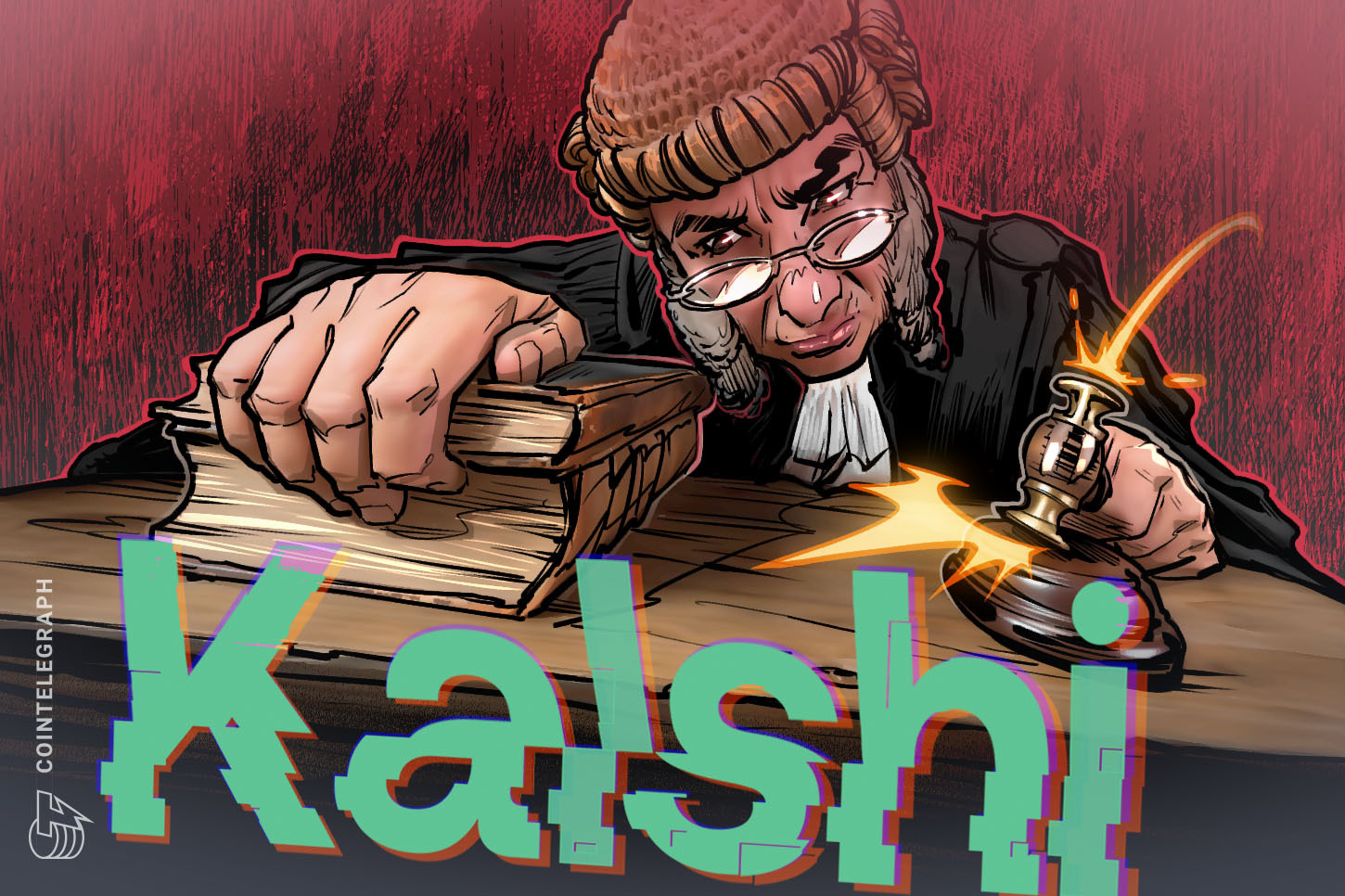
Utah Files Civil Suit Demanding Return of Up to $60 Million in Kalshi Profits
Utah Attorney General Derek Brown on Tuesday announced a civil lawsuit targeting Kalshi, its affiliated entities, and two Susquehanna trading companies. The filing alleges that the prediction-markets platform has been facilitating unlawful wagering within the state since 2024, with Brown describing the operation as a "public nuisance" that has inflicted "significant and substantial ongoing harm" on a large number of residents.
In a press briefing, Brown revealed that state officials had asked a court to order the defendants to disgorge an estimated $30 million to $60 million in profits generated through what Utah characterizes as illegal event contracts. The lawsuit further claims that Kalshi extended its services to more than 32,000 users in Utah, producing considerable financial losses among those participants.
"Under Utah law, I have determined that this operation is causing a significant and substantial ongoing harm to a significant number of Utahns," Brown stated during the briefing. He said the state was asking the court to halt what he described as sports, election, political, and cultural wagering within Utah's borders.
Legal Backdrop and Kalshi's Counter-Argument
The dispute between Kalshi and Utah is not new. In February, after state lawmakers enacted a bill classifying prediction-market activity as gambling under Utah law, Kalshi filed suit against the state. In August, a judge sided with Utah officials, ruling that federal regulations administered by the U.S. Commodity Futures Trading Commission (CFTC) do not displace state gambling statutes. A subsequent appeal was rebuffed in September when an appellate court denied Kalshi's request for a temporary injunction, effectively keeping the platform barred from operating in Utah while the appeal proceeds.
In response to the new civil filing, Kalshi spokesperson Jacki McGavick pushed back firmly. She told Cointelegraph that Kalshi operates as a federally regulated financial exchange comparable to the stock market, where customers trade directly with one another and collectively determine prices. "As a national derivatives market overseen by the CFTC, Kalshi answers to federal law, and no single state should have a veto over it," McGavick said. She added that the latest state-court action does not affect the company's ongoing federal litigation.
Multi-State Litigation and a Potential Supreme Court Ruling
Utah's move is part of a widening wave of legal actions by U.S. state authorities against prediction-market platforms, including both Kalshi and Polymarket, over alleged violations of state gambling regulations—many of which center on sports wagering. Arizona remains the only state pursuing criminal charges against Kalshi, while Michigan, Ohio, Kentucky, Nevada, Massachusetts, Wisconsin, and New York have each filed civil suits against one or more prediction-market operators.
The Utah lawsuit arrives at a critical juncture: the U.S. Supreme Court is weighing whether to grant a petition in New Jersey's parallel case against Kalshi over allegedly unlawful sports bets. If the justices accept the matter, the ruling could settle a fundamental question of regulatory jurisdiction—whether prediction-market companies fall under state gambling authorities or under the CFTC, which asserts "exclusive jurisdiction" over the platforms' event contracts. The outcome would carry far-reaching consequences for the entire prediction-markets industry and for the thousands of individual traders who use these platforms.
Update (Oct. 20, 9:53 pm UTC): This article has been updated to include a statement from Kalshi.