Beijing is quietly equipping governments worldwide with a complete surveillance toolkit that can transform ordinary cities into highly monitored environments. From cameras and AI algorithms to cloud‑based analytics and centralized command centres, Chinese exporters are offering an integrated package that lets authorities see, identify and track people with unprecedented precision.
China’s growing surveillance export business
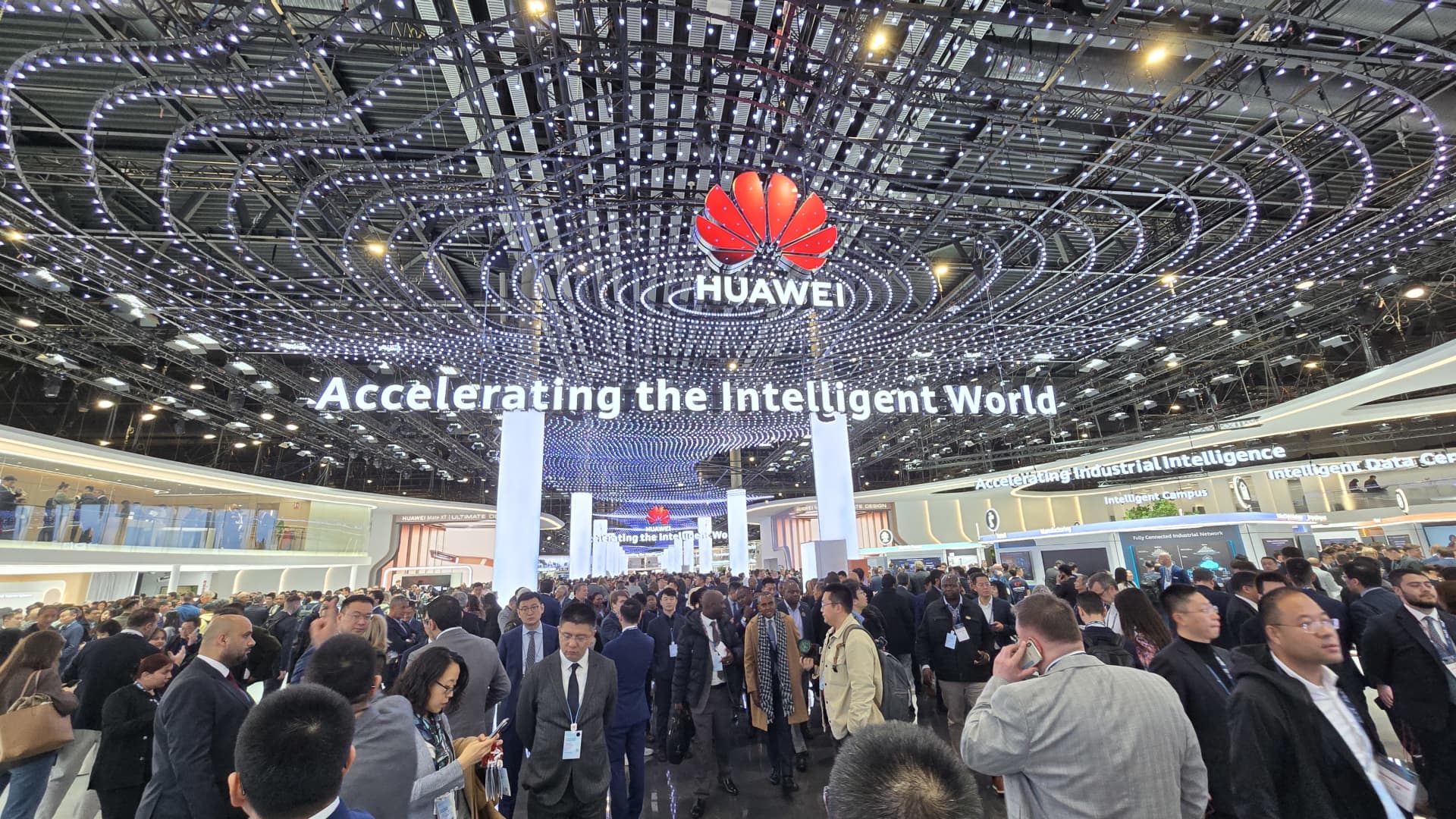
Chinese firms such as Hikvision and Dahua have long dominated the global market for video‑surveillance hardware. Meanwhile, Huawei has advanced the sector with AI‑enhanced cameras that embed deep‑learning chips directly into the lens, enabling real‑time facial and object recognition that feeds data into cloud‑based big‑data platforms. According to the Center for Strategic and International Studies (CSIS), these companies can supply everything from individual cameras to sophisticated analytics and command‑center software, creating a “digital brain” that links disparate data streams.
The appeal of this technology has attracted a growing number of mid‑sized nations. Turkey is a key example. While the country’s political institutions remain distinct from China’s, Chinese technology firms have established a significant presence in its digital infrastructure. Huawei, in particular, has openly promoted its AI‑powered CCTV and “Safe City” solutions to Turkish buyers, signalling an intent to embed its surveillance stack into the city’s fabric.
From cameras to city‑wide intelligence
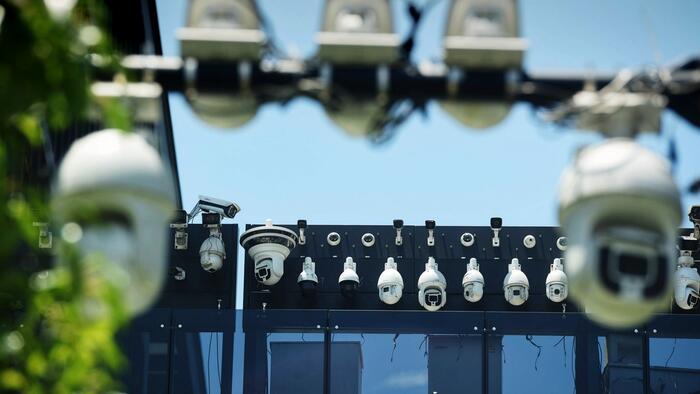
The first building block of a modern surveillance ecosystem is the camera. Traditional video recorders merely capture footage. In contrast, AI‑enabled cameras can answer questions such as who is present, when they arrived, where they moved, and what they are doing—information that can be instantly shared across a network.
A striking illustration of this capability was showcased at the 14th China International Exhibition on Public Safety and Security held at the China International Exhibition Center in Beijing on 24 October 2018. Visitors were filmed by AI security cameras equipped with facial‑recognition technology, a visual testament to the system’s reach.
The second component is the smart‑city platform. Huawei’s solution fuses 5G connectivity, Internet‑of‑Things sensors, cloud computing, and big‑data analytics into an integrated “digital brain.” On the surface, such a platform can improve traffic flow, energy management and public service delivery. However, when these systems are linked to security databases, they become a powerful urban surveillance engine. A camera’s image, a telecom network’s location data and a sensor’s movement report can all be merged instantaneously by AI, producing a comprehensive real‑time picture of city life.
While the underlying technologies are not inherently authoritarian, their widespread deployment raises concerns. CSIS has documented numerous Huawei “Safe City” agreements that combine CCTV, intelligent video surveillance, facial and license‑plate recognition, crowd‑monitoring tools, command centres and other security technologies in dozens of countries. The growing trend suggests that more governments are leaning toward a “little China” model, where smart‑city infrastructure is tightly coupled with surveillance capabilities.
Telecom infrastructure: the backbone of modern surveillance
Huawei’s long‑standing presence in Turkey illustrates how telecommunications can become the nervous system of a surveillance state. The Chinese giant has been active in the country for decades, employing roughly 1,500 staff and operating a research and development centre in Istanbul. By running its own personnel and facilities, Huawei gains additional opportunities to collect data.
Modern surveillance relies on a tightly coupled information loop: cameras and sensors capture visual data, phones generate communication records, network hardware transports the information, cloud platforms store and process it, and artificial‑intelligence algorithms interpret the results. The deeper these components are integrated, the more comprehensively a government can map the activities of its populace. Huawei’s “Smart City” model is built explicitly around this end‑to‑end integration.
Economic incentives and the risk of lock‑in
Governments’ decisions to adopt Chinese solutions are rarely driven solely by ideology. More often, the appeal lies in cost‑effectiveness. Chinese surveillance firms can provide a full‑stack technology package at prices that are attractive to middle‑income nations. For many of these countries, purchasing an off‑the‑shelf “Safe City” solution from Huawei is far cheaper than developing a comparable system from scratch.
The commercial attractiveness creates a sizable opportunity for Beijing. Once a nation has invested heavily in a particular ecosystem, switching to an alternative can become prohibitively expensive. The Center for Strategic and International Studies (CSIS) has warned that countries that deploy Huawei equipment may find themselves effectively “locked in” because of the high costs associated with replacing the hardware, software, and standards that Chinese firms have introduced.
Many of Huawei’s clients are authoritarian regimes, and the availability of affordable, integrated surveillance tools can help such governments maintain their grip on power. The economic rationale therefore dovetails with political outcomes, reinforcing the appeal of Chinese packages for a range of states.
Image: A woman stands at the booth of Huawei featuring 5G technology at the PT Expo in Beijing on Sept. 28, 2018. Reuters
Data, standards and strategic influence
Beyond the sale of equipment, China’s surveillance exports furnish Beijing with strategic advantages. Supplying cameras, networking gear, cloud services and AI platforms abroad allows Chinese companies to spread their technical standards, accumulate operational experience in foreign markets, and deepen commercial ties with host governments. Even without direct access to every byte of data, this embeddedness grants China a degree of influence over the digital infrastructure of partner nations.
Turkey serves as a cautionary example. Its extensive adoption of Chinese surveillance technology does not necessarily signal a transformation into a “Chinese” state, but it does demonstrate how ordinary commercial infrastructure can become a conduit for sophisticated monitoring capabilities.
Competing technological models
The broader contest between China and the West is increasingly framed as a rivalry over the technological architectures that countries choose to adopt. China emphasizes scale, deep integration, and centralized control, delivering ready‑made packages that are straightforward to export and costly to replace. Western democracies, by contrast, tend to prioritize privacy safeguards, transparency, and legal constraints—although they too employ facial‑recognition systems, AI‑driven monitoring and other advanced tools.
Because Chinese firms can offer an entire ecosystem rather than isolated components, the United States and its allies must confront a challenge that extends beyond individual companies such as Huawei, Hikvision or Dahua. The competition now involves a full suite of hardware, software and services that can lock in customers for years.
Looking ahead
The central issue is not whether each Chinese camera secretly spies on foreign citizens, but whether the growing reliance on China‑supplied digital infrastructure could steer nations toward forms of digital authoritarianism. As more governments adopt integrated surveillance packages, the line between commercial technology transfer and the creation of a digital dictatorship becomes increasingly blurred.