Inauguration and Political Context
Colombia’s new president, Abelardo de la Espriella, was sworn in on Friday, ending four years of former President Gustavo Petro’s left‑leaning experiment. Dubbed “El Tigre,” the former congressman announced a clear intention to reverse Petro’s economic policies, restore law and order, and re‑establish a free‑market orientation.
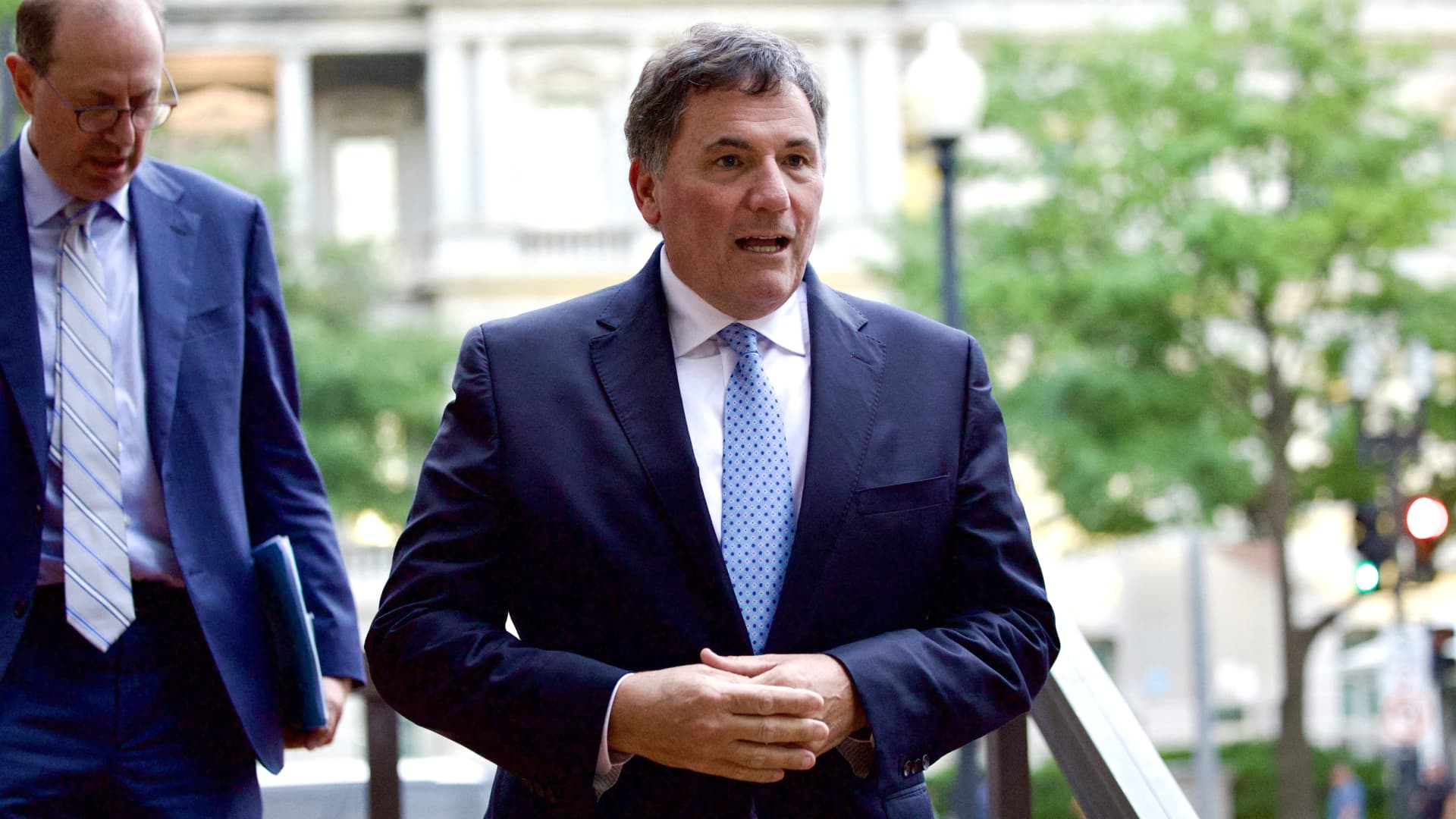
The ceremony drew a constellation of conservative leaders from across the hemisphere, including Argentina’s Javier Milei, Ecuador’s Daniel Noboa, and Chile’s José Antonio Kast. Acting U.S. Attorney General Todd Blanche also attended as part of the American delegation.
During his speech at the Pichincha Battalion military base in Cali, de la Espriella declared that he was ending a period of “national resignation” and was ready to lead a “profound transformation” of Colombia’s destiny. He emphasized the need to restore “order, authority and freedom” for the nation.
Policy Agenda and International Alignment
According to Camilo Guzmán, executive director of Libertank, de la Espriella’s priorities will include rebuilding strategic ties with the United States, re‑engaging with Israel, and adopting a firmer stance against the authoritarian regimes of Venezuela, Cuba and Nicaragua.
The new president has already announced a “war” on Marxist‑inspired terror groups. In response, the United States pledged a $1 billion security assistance package—subject to congressional approval—to help Colombia combat narco‑terrorism. This aid follows a series of car‑bomb attacks that occurred in the days leading up to the inauguration.
Fiscal Challenges Ahead
Despite the optimism surrounding his agenda, de la Espriella faces a stark fiscal reality. Guzmán highlighted that Colombia’s finances resemble a house with a leaky roof and an empty safe: the country’s budgetary position is deteriorating faster than the new administration appears to anticipate.
Key figures include a projected 2026 deficit of roughly 6.5‑6.7 % of GDP, a financing gap approaching $34 billion, and an implicit medium‑term adjustment hovering near five points of GDP. Guzmán stressed that the administration must first address the cash shortfall before implementing its policies.
US Security Assistance and Regional Implications
The $1 billion aid package is aimed at “relentlessly defeating narco‑terrorism” carried out by revolutionary Marxist groups. This move follows a broader U.S. strategy to secure the Western Hemisphere against influence from China and Russia while promoting open, free‑market economies.
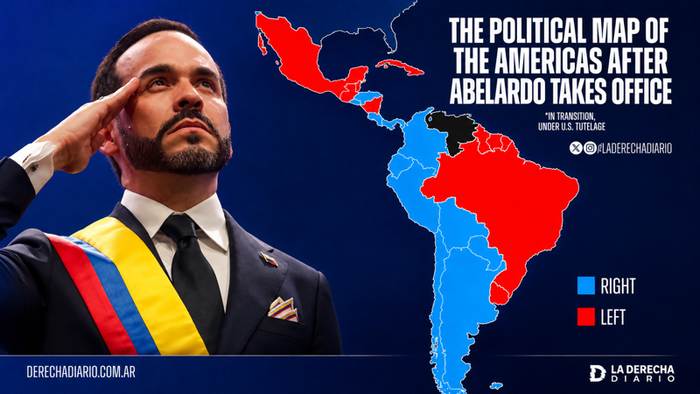
Secretary of State Marco Rubio has noted that this shift represents a historic realignment: “For the first time in 15–20 years, the overwhelming majority of countries in the Western Hemisphere are now led by pro‑American leaders.”
The Broader Right‑Wing Wave in the Americas
De la Espriella’s ascension is part of a larger trend of right‑wing governments taking power throughout Latin America. The new president’s alignment with former President Trump’s policies underscores the growing influence of U.S. conservative ideology in the region.
While the political drama surrounding his inauguration is clear, traders and analysts will need to monitor how the fiscal constraints and security commitments shape Colombia’s economic trajectory in the coming years.
Disclaimer: This article reflects information available as of the time of writing and does not constitute investment advice.