Precious Metal Holds Ground Amid a Cautious Market Tone
Gold showed signs of stabilization, with the bullion managing to arrest a recent decline rather than extending its losses. The metal found a temporary floor as participants shifted their focus to two major external variables that could reshape the broader macroeconomic picture and, in turn, influence safe-haven demand.
Iran Diplomacy and US Midterms Draw Investor Attention
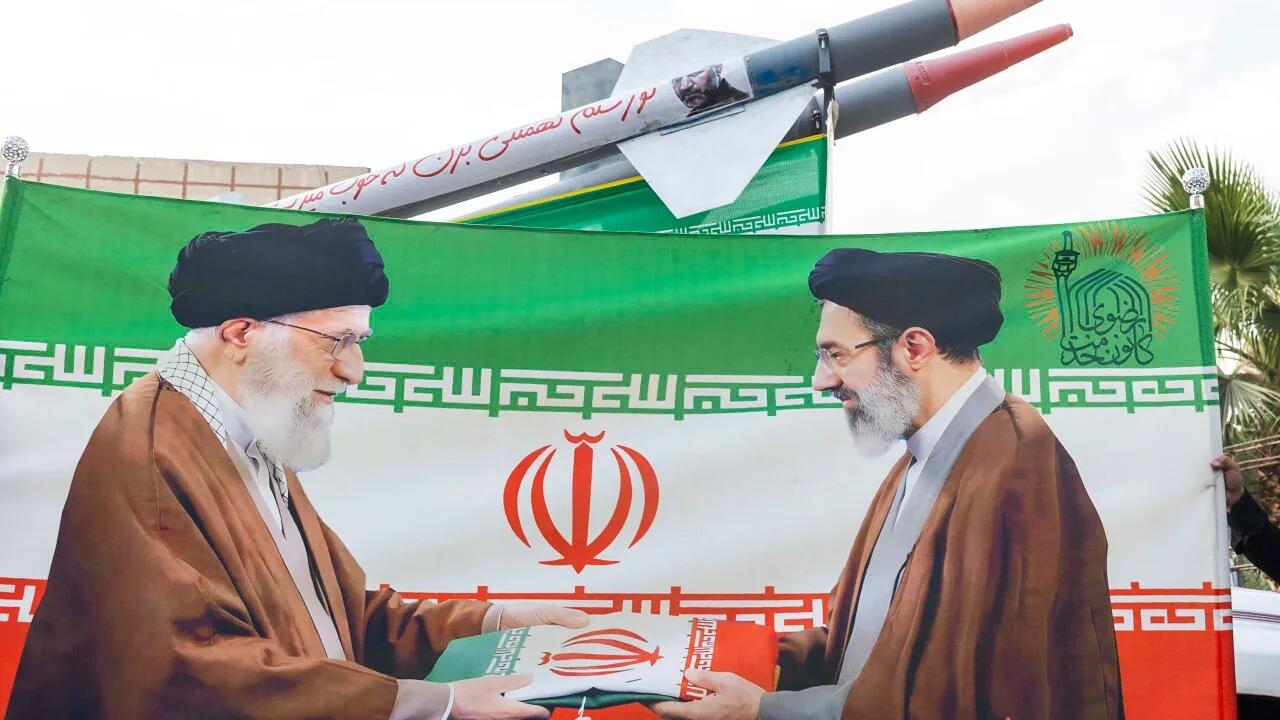
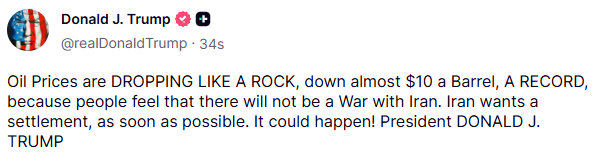
Two distinct drivers defined the cautious tone in the precious metals market. On the geopolitical front, traders closely tracked the trajectory of diplomatic engagement involving Iran. The potential for constructive dialogue in the Middle East represented a key variable: a de-escalation could reduce the risk premium embedded in gold prices, while continued tension would likely sustain the safe-haven bid underpinning the metal.
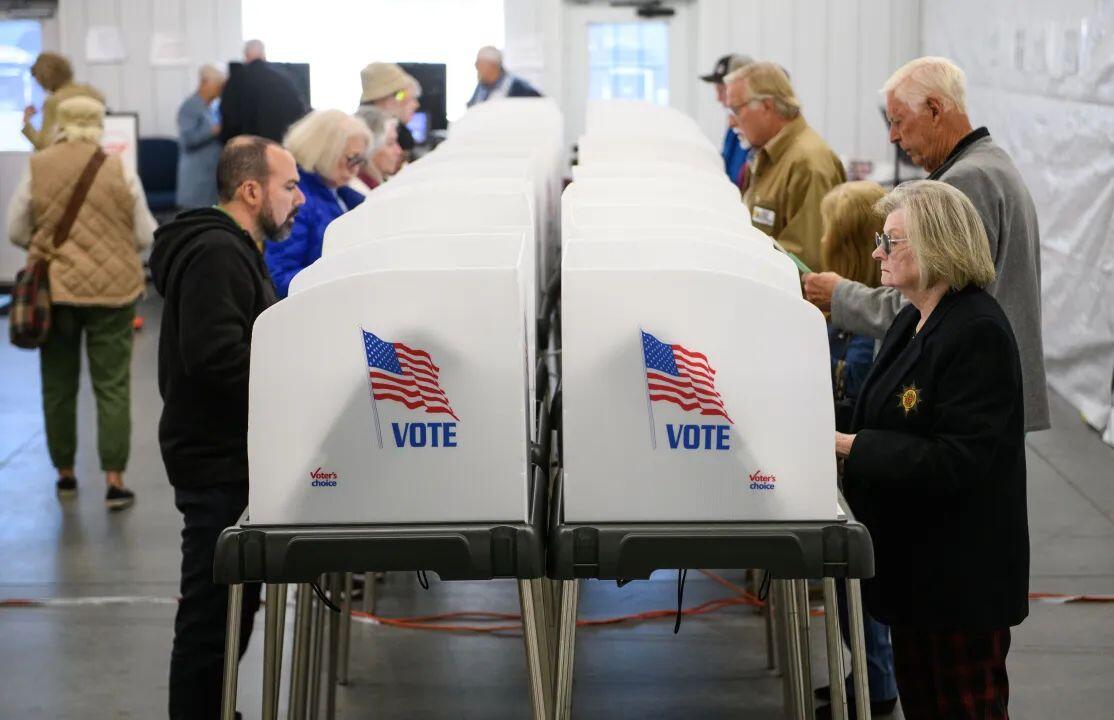
On the domestic political front, the upcoming US midterm elections captured significant attention. Investors were watching the electoral process not simply as a political event but as a potential bellwether for the direction of American monetary and fiscal policy. The outcome could offer meaningful clues about how the interest-rate path might evolve and what shape the broader fiscal posture of the United States would take under the resulting political configuration.
Intersecting Signals for Rates and Fiscal Policy
The convergence of these two threads—Middle East diplomacy and US domestic politics—created a layered backdrop for the gold market. Traders were effectively using both developments as leading indicators for the trajectory of interest-rate decisions and the overall fiscal direction of the American economy. A scenario pointing toward lower rates or an expanded fiscal stance could, in theory, provide additional support for the precious metal. Conversely, a more stable geopolitical environment might chip away at the safe-haven demand that typically props up gold prices.
The net result was a market in a wait-and-see posture, with gold consolidating rather than committing to a decisive directional move as participants weighed the competing signals emanating from geopolitics and domestic politics.