The escalating US‑Iran conflict has left an estimated 20,000 maritime workers—predominantly from India and the Philippines—marooned in the Gulf of Oman, with no clear end in sight. A recent attack on the bulk carrier Minoan Pioneer, which sent a distress call late on Monday, underscores the growing peril for vessels navigating the strait of Hormuz.
Attack on the Minoan Pioneer
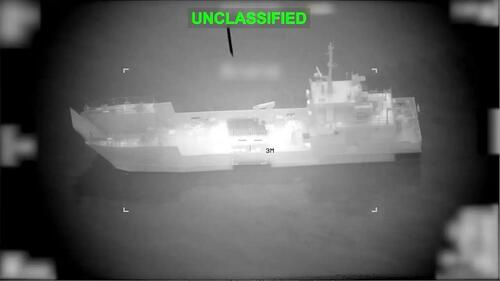
Around 20 nautical miles north of Oman’s coastline, the Greek‑owned, Liberian‑flagged bulk carrier was struck by an unidentified projectile. The impact knocked out power in the engine room and ignited a fire in the crew’s living quarters. The crew managed to contain the blaze and radioed for assistance from nearby ships. When they abandoned the vessel on Tuesday morning, they discovered that the third engineer was missing; his whereabouts remain unknown days later.
The United Kingdom Maritime Trade Operations centre has opened an inquiry, though it has yet to confirm the source of the projectile. Analysts at maritime‑intelligence firm Windward observed that previous kinetic assaults at the same coordinates have been linked to Iran, a claim Tehran continues to reject.
In the 24 hours preceding the incident, two additional vessels—a large oil tanker and a medium‑sized tanker—reported near‑misses in the same area, highlighting a pattern of escalating threats.
A Growing Human Crisis
The spate of incidents casts a stark light on the plight of thousands of seafarers who have been unable to leave the Gulf since the war entered its sixth month. What should have been a routine passage through the strait in February has devolved into an extended period of uncertainty and anxiety.
Iran’s de‑facto blockade of the waterway has effectively trapped roughly 20,000 crew members, inflicting severe psychological strain. One sailor, speaking to the Guardian early in the conflict, described the situation as “impossible,” noting that the stress contributed to a fellow crew member’s mental breakdown.
Since hostilities began, 17 seafarers have lost their lives, the majority as a result of Iranian strikes. Periodic hopes for a safe exit have repeatedly been dashed—an April ceasefire and a June peace memorandum between Washington and Tehran collapsed shortly after being announced.
Vessels Still Awaiting Release
During the brief window created by the ceasefire memorandum, dozens of oil and gas tankers attempted to navigate out of the strait, but not all succeeded before the agreement fell apart. According to the International Maritime Organization, about 6,000 crew members aboard 500 vessels of various types remain confined in the Gulf.
Arsenio Domínguez, secretary‑general of the IMO, warned that “these are ordinary workers trained for maritime duties, not for combat, and their ships are not equipped to defend against missiles or drones.”
Voices from the Front Line
Savio Ramos, general secretary of India’s Maritime Union and a veteran tanker captain, likened the situation to imprisonment. “For those on board, the pressing question is when this will end. The ongoing geopolitical tension breeds constant stress,” he said. Ramos added, “It feels like being locked up without the freedom to move—uncertainty gnaws at you over time.”
While many vessels owned by responsible operators receive regular deliveries of fresh water, food, and other essentials via small boats from shore, most crews lack any viable means of evacuation. Ramos noted that a few union members have been able to return home when senior officers agreed to stay behind and take their places, but such swaps remain the exception rather than the rule.
Negotiations and Traffic Control
Oman has stepped in as an intermediary in ongoing talks between Iran and the maritime community. The proposed arrangement would grant Tehran authority over the flow of vessels entering the Gulf, a departure from the pre‑conflict norm of unfettered navigation that shipowners and the wider industry find unacceptable. Such a shift would represent a significant alteration to the established principle of freedom of navigation for commercial shipping.
Low Traffic Through the Strait
Despite the escalation of hostilities, vessels continue to move through the strategic waterway, albeit at dramatically reduced volumes. Lloyd’s List analysts reported that only 52 non‑Iranian‑linked ships transited the strait during the week of 27 July to 2 August, with 60 % of those vessels exiting the channel and 40 % entering it. An additional 32 ships linked to Iran passed through the same period. In total, 84 vessels – just over ten percent of the average 700 movements per week that existed before the conflict – were recorded.
Stranded Oil and Gas Tankers
The data suggest that 70 large oil and gas tankers, owned by major, non‑sanctioned shipping companies, have been immobilised in the Gulf since February, according to Lloyd’s List analysis. A further 65 tankers entered the region following the announcement of the Memorandum of Understanding (MOU) only to find themselves unable to depart. The cumulative effect of these stranded vessels has added considerable pressure on the already strained shipping network.
Seafarer Nationalities
While a precise breakdown of the stranded crew’s nationalities remains unclear, the largest groups are likely to be Indian and Filipino seafarers. India remains the second largest global supplier of maritime personnel, with 312,000 seafarers employed worldwide, followed by the Philippines, which contributes 460,000 workers, according to the latest global seafarer report compiled by the Baltic and International Maritime Council and the International Chamber of Shipping.
Broader Maritime Conflicts
The conflict that began over Iran has spilled into other maritime theatres. Hostilities now extend to the Red Sea and Iraq, and the Black Sea has witnessed a new chapter of maritime aggression between Russia and Ukraine. Since the start of July, 24 seafarers have lost their lives in these escalations, prompting Lloyd’s analysts to label July “one of the deadliest months ever for commercial seafarers.”
Industry Concerns
Many in the shipping sector worry that the prolonged nature of the Iran dispute, combined with crews being trapped in hazardous regions, will deter seafarers from accepting assignments in such areas—or from joining the profession altogether. This potential decline in willing crews could have cascading effects on global maritime operations.
IMO’s Warning
Dominic Dominguez, chief of the International Maritime Organization (IMO), cautioned that a shortage of seafarers would cripple the movement of goods worldwide. He highlighted that without sufficient crews, roughly 90 % of maritime cargo would fail to reach its intended destinations, a scenario that would impact the entire global economy.
The situation remains fluid, with maritime authorities, shipping companies, and international bodies closely monitoring developments. The continued immobilisation of vessels and the safety of the crews aboard them underscore the urgent need for a sustainable resolution to restore normalcy in the region’s critical shipping lanes.