Background of the Paramount‑Warner Bros. Deal
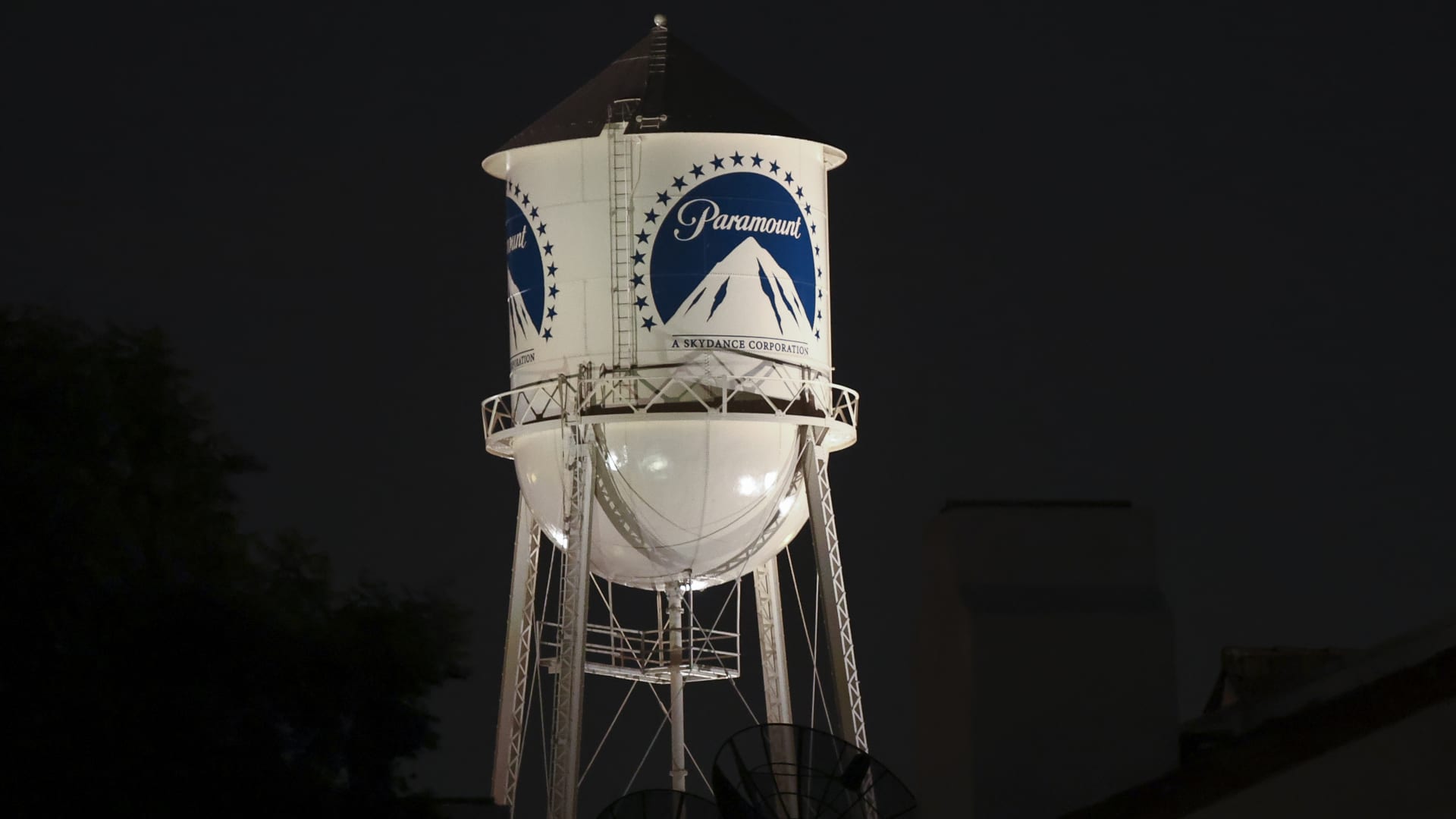
Paramount Skydance and Warner Bros. Discovery (WBD) are in the process of merging a $110 billion transaction that would combine two historic film studios, their pay‑TV networks and streaming services HBO Max and Paramount+. The merger has already received approval from the U.S. Department of Justice’s Antitrust Division and from all required international regulators.
Antitrust Challenge by State Attorneys General
In July, a coalition of twelve state attorneys general—led by California’s Rob Bonta—filed a lawsuit asserting that the merger violates the Clayton Antitrust Act. The group argues that the deal would create an overly dominant media player and seeks to halt it pending trial.
Paramount’s Bond Request
In a new filing, Paramount is asking the states that are blocking the merger to post a bond of $1.88 billion. The company says the amount represents the maximum potential “ticking fee” payments and financing costs that will accrue while the merger remains on hold.
Paramount’s contract with WBD includes a ticking fee of 25 cents per share per quarter beginning September 30. With the deal’s projected size, that could translate to roughly $650 million each quarter. Paramount estimates that, by the time the trial concludes, it will have already paid WBD shareholders about $1.3 billion in ticking fees that cannot be recovered.
The firm further warns that a delay could invalidate the regulatory approvals it has already secured, leading to additional losses. “Without security, even a complete victory on the merits would not restore a dollar of those extraordinary losses,” Paramount’s statement reads.
Additional Costs of Delay
Beyond the ticking fee, Paramount highlights that an eight‑month postponement would halt integration plans and prevent the combined company from ramping up investments in content, production and creative talent. The studio also notes that employees at both companies face uncertainty because of the delay.
State Attorneys General’s Counter‑Statement
Bonta’s office rebuked Paramount’s claims, stating that the company “went into this process with eyes wide open” and that it deliberately included a costly ticking fee in the merger contract. The lawyers also point out that Paramount agreed to postpone the closing until after trial—potentially as late as June 2027—yet is now seeking a bond to mitigate its own losses.
“The merger would not be a done deal, and they chose to include it anyway,” the statement added. “Now they’re trying to get a do‑over.”
States Involved in the Litigation
The lawsuit is brought by attorneys general from California, Arizona, Colorado, Connecticut, Massachusetts, Minnesota, Nevada, New Jersey, New Mexico, New York, Oregon and Washington.
Implications for the Market
If the court approves the bond, the states would be required to provide security before any preliminary relief is granted. The outcome of this dispute could set a precedent for how antitrust challenges handle financial penalties linked to delayed mergers in the entertainment sector.
The dispute underscores the high stakes of media consolidation and the complex interplay between regulatory approvals, contractual obligations, and legal remedies.