Supreme Court Intervenes in White House Construction Dispute
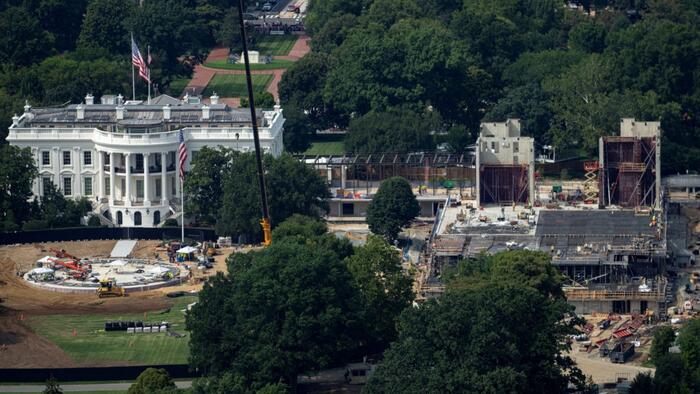
On August 21, Chief Justice John Roberts issued a brief order that stayed the preliminary injunction preventing the Trump administration from proceeding with the construction of a new ballroom at the White House. The stay is in effect until the Court or the Chief Justice issues a further order, effectively granting the administration an appeal.
The Ballroom: Size, Cost and Funding
The planned ballroom is expected to cover 90,000 square feet and has an estimated cost of $400 million. Funding for the project will come from private donors, rather than taxpayer money. Construction is slated to begin in 2025.
Judicial History Leading to the Stay
In March, U.S. District Judge Richard Leon of the District of Columbia entered a preliminary injunction that halted the ballroom’s construction. Judge Leon argued that no law grants the president the authority to build the ballroom, and that construction must cease until Congress authorizes it—even if the work is financed privately. He later clarified that the injunction applied only to above‑ground construction.
The U.S. Court of Appeals for the District of Columbia Circuit, in April, temporarily suspended Judge Leon’s injunction while reviewing the case. On August 7, a majority of the appellate panel reinstated the injunction. The panel held that the decision to build a massive ballroom is a matter for Congress, not the executive branch, and that the president had not been given “unfettered authority” to alter the White House in this way.
Faced with the appellate ruling, the Trump administration petitioned the Supreme Court for a stay.
Arguments Presented to the Court
U.S. Solicitor General D. John Sauer, in the emergency application, urged the Court to decide quickly, citing that the injunction would stop work that was “vital to national security.” The administration also argued that a completed ballroom would host essential diplomatic events and that delays would give foreign governments more time to gather intelligence on the White House complex.
The National Trust for Historic Preservation, the plaintiff in the case, contended that removing the injunction would cause irreparable harm. The Trust noted that the ballroom would be substantially finished soon, making it nearly impossible to dismantle once completed, and cited statements from the administration to support this claim. The Trust highlighted that the injuries—already documented in its Environmental Assessment and deemed irreparable by lower courts—would likely become irreversible.
Implications for the White House and National Security
With the stay in place, the Trump administration can resume construction on the ballroom. The decision has been welcomed by officials who stress the importance of the venue for diplomatic functions. Critics, however, warn that the project could undermine historic preservation efforts and set a precedent for executive overreach.
The Supreme Court’s intervention underscores the ongoing debate over the limits of presidential authority in modifying the White House and the role of Congress in authorizing such changes. The case will likely continue to unfold as the Court considers the broader constitutional questions involved.
Future Developments
The stay is temporary, and the Supreme Court may issue a final ruling that either upholds or overturns the injunction. Until then, construction can proceed, but the outcome of the case will have lasting implications for executive‑legislative relations and historic preservation.