The Anatomy of a Rumor
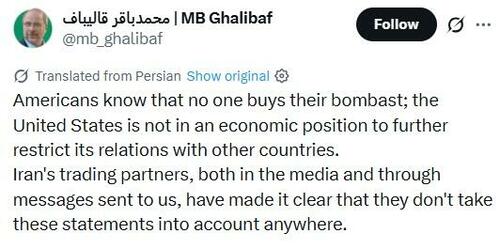
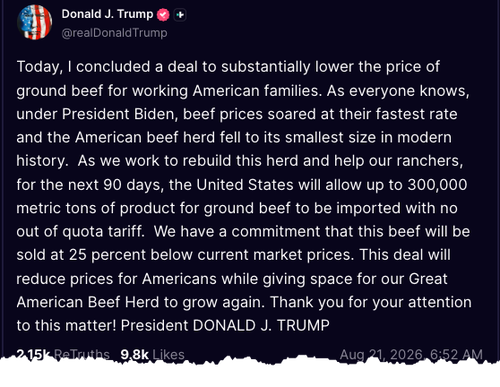
In the fast‑moving world of foreign exchange, a single headline can set a cascade of actions in motion. A rumor typically follows a simple lifecycle: an unverified claim appears on a social feed, a few influential traders or media outlets pick it up, and the narrative gains traction as more participants react.
Key characteristics of a rumor in forex are:
- Source ambiguity – often traced to anonymous or low‑credibility accounts.
- High emotional charge – claims about sudden policy shifts, geopolitical events, or broker scandals.
- Rapid propagation – amplified by algorithmic bots, chat groups, or sensationalist news sites.
Because currency pairs respond to perceived risk and opportunity, even a fleeting whisper can alter supply and demand curves, leading to price swings that may persist until the rumor is disproved.
Ripple Effect on Market Sentiment
Currency markets are fundamentally sentiment‑driven. A rumor that a central bank will raise rates, for example, can cause a sharp inflow into that currency, pushing its value upward. Conversely, a false claim of a trade embargo may trigger a sell‑off. The psychological mechanisms at play include:
- Confirmation bias – traders interpret the rumor as confirmation of existing views.
- Herd behavior – the fear of missing an opportunity leads to collective action.
- Information asymmetry – those who act early can lock in gains before the market corrects.
When a rumor is debunked, the market often over‑corrects, creating a volatility spike that can erode profits or trigger stop‑loss orders. This cycle of hype and correction can repeat, generating a “rumor bubble” that is difficult to distinguish from genuine economic signals.
Detecting and Debunking Misinformation
The first line of defense against fake news is a disciplined verification process. Traders can employ several tactics:
- Cross‑check with official sources – central bank releases, government statements, and reputable news agencies should be the baseline for any claim.
- Use fact‑checking tools – several independent platforms aggregate verified data and flag inconsistencies.
- Analyze market data – sudden price moves should be examined alongside volume, order book depth, and correlation with other currency pairs.
- Track source credibility – maintain a list of trusted analysts and filter out outlets with a history of sensationalism.
When a rumor surfaces, a rapid “falsification” test can be conducted by checking whether the underlying event has already occurred or is scheduled. For instance, if a headline claims a sudden policy shift, look for the official announcement timeline; a mismatch often signals fabrication.
Practical Strategies for Traders
Even with robust detection tools, the market can still be swayed by misinformation. To mitigate exposure, traders can adopt the following practices:
- Set conservative risk limits – use tight stop‑losses and position sizing that account for potential rumor‑driven volatility.
- Employ hedging techniques – currency swaps or options can provide a safety net against unexpected moves.
- Maintain a diversified portfolio – over‑concentration in a single pair increases vulnerability to rumor‑based shocks.
- Use algorithmic filters – automated alerts can flag anomalous price patterns that diverge from fundamental indicators.
- Educate the team – regular workshops on media literacy and psychological bias help build a culture of skepticism.
By integrating these steps into daily trading routines, participants can reduce the risk of being caught in a rumor‑induced swing.
Institutional Safeguards
Beyond individual tactics, market regulators and brokerages play a critical role in curbing misinformation. Key measures include:
- Transparent communication channels – brokers should provide clear, real‑time updates about market events and clarify the source of information.
- Real‑time monitoring systems – exchanges can deploy algorithms that detect abnormal information flow and flag potential manipulation.
- Mandatory disclosure rules – traders and firms must disclose material information that could influence price movements.
- Education campaigns – industry bodies can offer resources on identifying and reporting fake news.
Collectively, these safeguards help create a resilient ecosystem where rumors are quickly identified, challenged, and corrected, preserving market integrity.
By understanding the mechanics of fake news, recognizing its psychological influence, and implementing concrete protective measures, traders and institutions can navigate the drama of misinformation with confidence and professionalism.