Trump Dismisses USS Lincoln Crew Concerns
On Friday, President Trump was asked by reporters about growing concerns from family members regarding the welfare of sailors on the Nimitz‑class aircraft carrier USS Lincoln. He responded that the crew were fine and that the nine‑month deployment was “not nearly long enough.” Trump’s comments came as the ship had been at sea for longer than the originally planned seven‑month schedule.
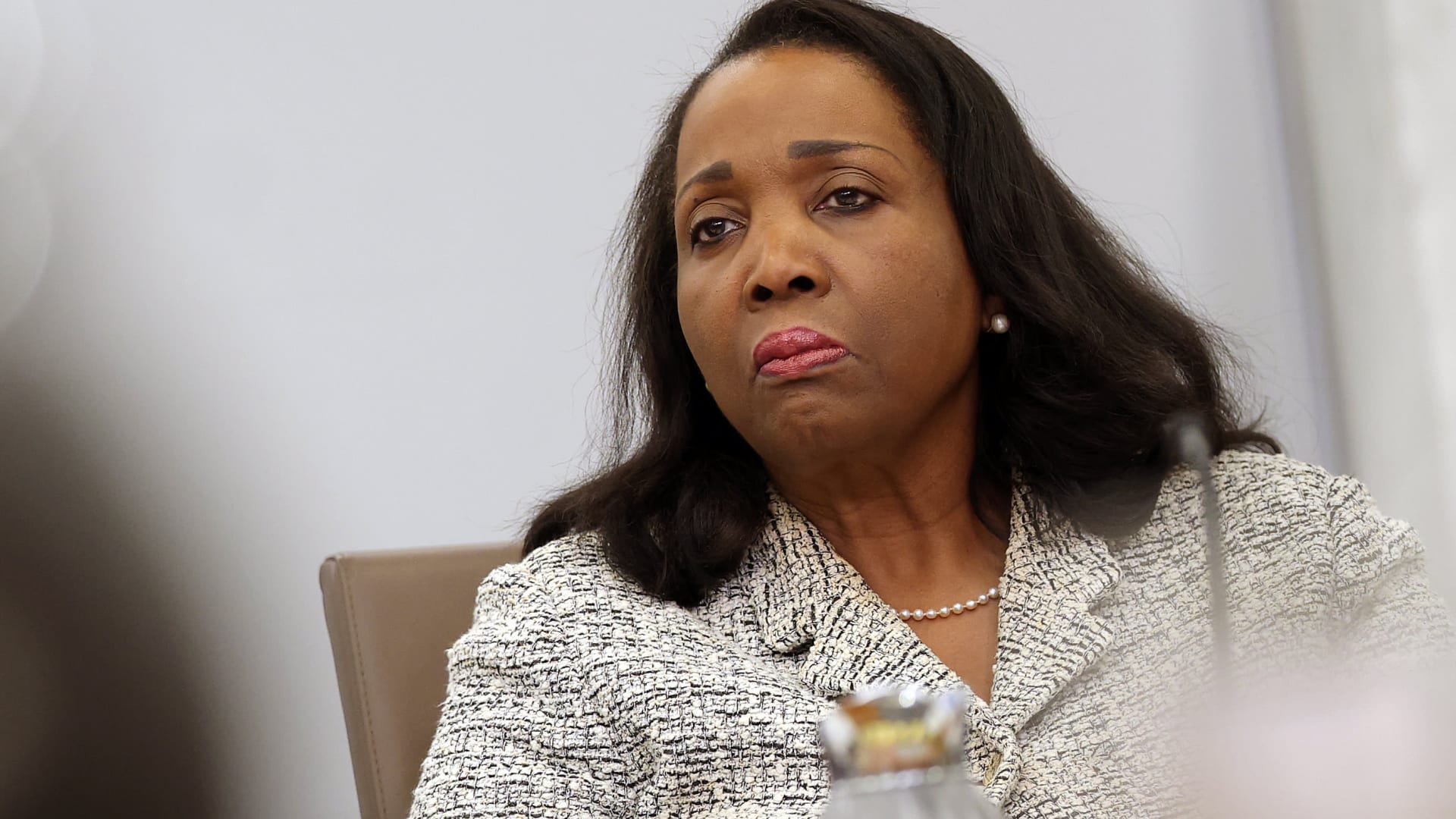
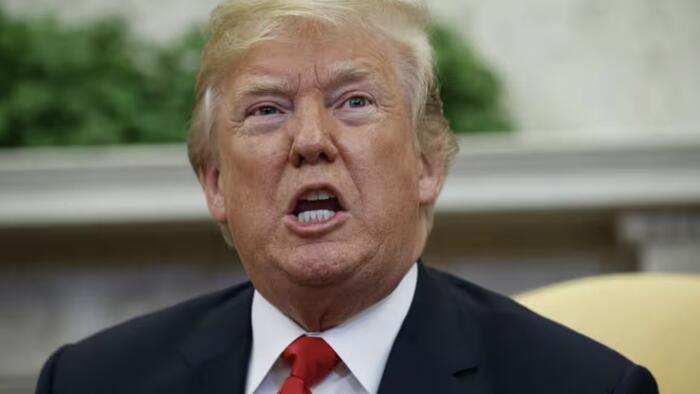
The president’s remarks followed a town‑hall meeting with Navy Secretary Hung Cao in which roughly 200 relatives of crew members voiced anxieties about morale, food quality, and basic hygiene supplies aboard the carrier. Trump, who was preparing to leave Washington for a rally in New York, cut through the question with a dismissive “No, they’re not,” directly contradicting the concerns raised by those families.
Crew Morale and Living Conditions
Family members have described a range of hardships on the Lincoln. Reports indicate that sailors are experiencing low morale due to prolonged time at sea, “moldy showers,” and a severe shortage of basic toiletries such as toothpaste, deodorant, and soap. One mother recounted that her son mentioned the food situation was so dire that a single meal could consist of only a half‑cup of rice and two tortillas. The ship’s conditions have reportedly become so severe that at least two crew members have attempted suicide by leaping from the deck.
In the same town‑hall, Navy officials were quick to refute claims of worsening conditions, labeling the reports as “completely misrepresented.” Nevertheless, the persistence of these concerns among families highlights the psychological strain faced by naval personnel on extended deployments.
Deployment Timeline and Logistics
The USS Lincoln departed from San Diego on November 21, 2025, for what was originally a seven‑month deployment. As of Friday, the carrier was in its ninth month at sea and had gone more than 200 days without a port call. Typically, a carrier crew expects a port visit every 30 to 45 days, each break lasting three to five days, to restock supplies and allow crew members some time ashore. The lack of port visits has strained the ship’s supply chain.
The New York Times reported that logistical challenges were partly due to Iran’s swift destruction of a major U.S. Navy logistics hub at Bahrain’s base shortly after the country was attacked amid ongoing negotiations. This disruption has further complicated resupply efforts for the Lincoln and other vessels in the region.
Political Statements on Iran and Gas Prices
During a rally in Garden City on Long Island, Trump reiterated his stance on the conflict with Iran, describing the nearly six‑month‑old war as a “great success.” He pledged that once the U.S. “finishes defeating Iran,” he would declare the Strait of Hormuz a U.S. territory. The rally, which also served as a platform for Republican gubernatorial candidate Bruce Blakeman, drew a crowd dominated by police, firefighters, and other first responders.
Trump also addressed rising fuel costs, noting that before the U.S. joined Israel in a war against Iran, gasoline was priced at $1.85 per gallon. He urged the public to view the increased price as a small price to pay to prevent a “very evil country” from acquiring a nuclear weapon. He reminded attendees that, since 2007, U.S. intelligence had consistently assessed that Iran was not developing nuclear weapons, and he insisted that he would never apologize for his actions.
Rally in New York and Broader Implications
While heading to New York for the rally, a reporter framed a question about the families’ worries. Trump’s sharp rebuttal came at a time when the U.S. government is under scrutiny for its handling of naval deployments and the broader geopolitical situation in the Middle East. The president’s assurances that the deployment was not too long and his bold promises regarding the Hormuz Strait have sparked debate among policymakers and analysts.
The situation aboard the USS Lincoln underscores the challenges of maintaining morale and logistical support for naval crews during extended missions. Meanwhile, Trump’s rhetoric on Iran and fuel prices reflects the administration’s broader strategy to deter nuclear proliferation, even as it navigates domestic and international pressure.
Sources: Interviews with family members, Navy Secretary Hung Cao, New York Times logistics report, Trump’s public statements at the Garden City rally.