Ukrainian Drone Incident Near Bulgarian Gas Pipeline
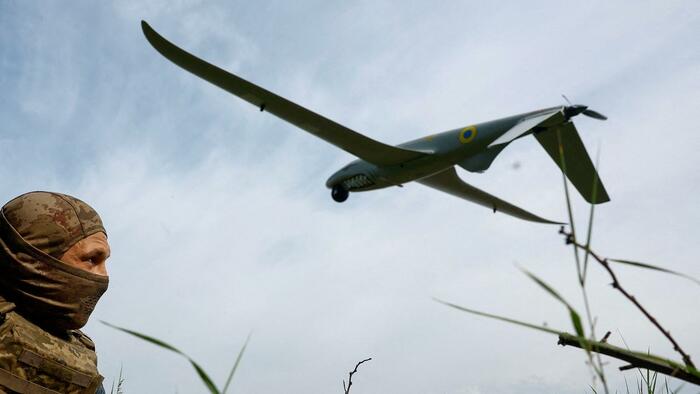
A Ukrainian‑made unmanned aerial vehicle breached Bulgarian airspace on Saturday and exploded approximately 1,000 metres from a compressor station on the Trans‑Balkan gas pipeline. The incident, which caused no injuries, has sparked a diplomatic row between Sofia and Kyiv and added to a growing list of drone incursions in European airspace.
What Happened?
According to Bulgarian officials, the drone entered the country from Romanian airspace and detonated just outside the former Kardam border checkpoint. Romanian border police first detected the noise of the aircraft, and a loud explosion was later heard by a patrol of the General Toshevo border police. Bulgarian Prime Minister Rumen Radev described the payload as “significant” but said the incident does not appear to have been intentional.
Bulgarian Response
The Ministry of Defence immediately blamed Kyiv, citing the debris as evidence of a weapon “widely used by the Ukrainian military.” In reaction, Bulgaria has summoned the Ukrainian ambassador for a meeting scheduled for Monday, as reported by AFP. The incident comes on the heels of a recent policy shift in Sofia, which has halted the supply of weapons to Ukraine due to shortages in its own stockpile.
Ukrainian Position
Ukraine’s foreign ministry spokesperson Georgiy Tykhyi said the Ukrainian Armed Forces did not deliberately target Bulgarian territory. “We are in close contact with the Bulgarian side to clarify the circumstances of the incident,” he added, noting that such breaches stem from the broader Russian invasion of Ukraine. Ukrainian officials maintain that the drone was not intended to strike Bulgaria.
Broader Context of Drone Incidents
This event follows a pattern of drone incursions into European airspace attributed to both Ukrainian and Russian forces. Recent examples include:
- Romania, where fighter jets shot down Russian Shahed drones over its airspace on July 24‑26;
- Poland, where NATO jets were scrambled to intercept drones. NATO has responded to these incursions with electronic jamming and, in some cases, by downing the aircraft. The Russian government has increased its “terror campaign” in the EU, with six incidents reported over the past two weeks, further inflaming tensions between Moscow and NATO’s eastern flank.
Implications for Energy Infrastructure
The Trans‑Balkan pipeline is a vital artery for natural gas distribution between Bulgaria and its neighbors. An explosion so close to a compressor station raises concerns about potential damage to the pipeline’s integrity and the broader stability of energy supplies in the region. While no damage has been confirmed, the incident underscores the vulnerability of critical infrastructure to aerial threats.
Diplomatic and Security Outcomes
Both sides have expressed a desire to resolve the matter peacefully. Bulgaria’s call for answers and Ukraine’s statement of non‑intentionality reflect a cautious approach aimed at preventing escalation. However, the incident may prompt renewed scrutiny of airspace security protocols and could influence future diplomatic negotiations regarding the flow of weapons and support in the Ukraine conflict.
Looking Ahead
As drone technology becomes more accessible, the likelihood of accidental or intentional incursions near sensitive infrastructure will continue to rise. The Bulgarian‑Ukrainian incident serves as a stark reminder of the complex interplay between military actions, energy security, and diplomatic relations in Eastern Europe.
This article is part of the “Drama” section, focusing on the risks and geopolitical tensions that can affect traders and stakeholders in the energy markets.