What Are Crypto‑Forex Pairs?
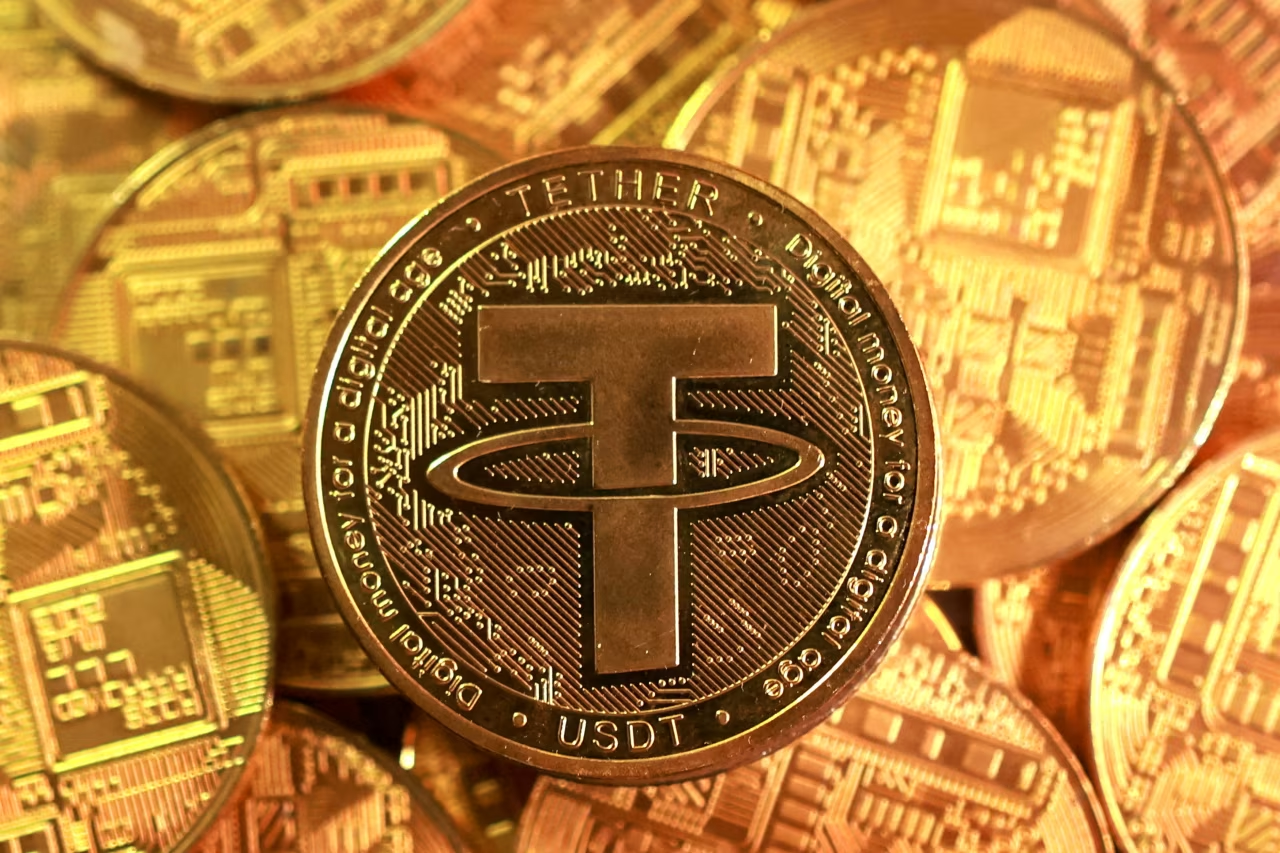
Crypto‑Forex pairs combine a traditional currency with a digital asset, such as EUR/Bitcoin or USD/Chainlink. These instruments allow traders to speculate on the relative value of a cryptocurrency against a fiat currency without the need for a dedicated crypto exchange. While the concept can be appealing for diversification and leveraging familiar forex mechanics, it introduces a layer of complexity that is not present in standard currency trading.
The Regulatory Landscape and Why It Matters
Regulatory frameworks for forex and for crypto differ significantly across jurisdictions. Traditional forex is typically governed by well‑established authorities that enforce strict capital requirements, client‑asset segregation, and transparent reporting. Crypto markets, on the other hand, remain largely unregulated in many regions, with limited oversight on market manipulation, liquidity, and fraud.
When a broker offers a crypto‑forex pair, the product may fall into a gray area: the fiat side is regulated, but the crypto side is not. This hybrid position can create loopholes that regulators may not fully cover, leading to potential gaps in investor protection. Traders should be aware that the same safeguards applied to conventional forex may not extend to the crypto component.
Common Pitfalls of Unregulated Offerings
Liquidity Concerns – Crypto markets can be highly volatile and thinly traded, especially for less popular tokens. A broker’s liquidity provision may be limited, causing slippage or price gaps during rapid market moves.
Pricing Transparency – Without a central exchange, the broker often sets the price or sources it from a limited number of liquidity providers. This can result in non‑competitive spreads or hidden costs.
Margin and Leverage – Crypto assets are frequently offered with higher leverage than traditional currencies. Unregulated brokers may not enforce adequate margin calls, exposing traders to amplified losses.
Custody Risks – When a broker handles the underlying crypto, it may store the asset in a hot wallet or a single custody solution. In the absence of regulatory oversight, the security of these holdings can be questionable.
Reporting and Audits – Unregulated platforms may not provide audited statements or comply with anti‑money‑laundering (AML) requirements, making it harder for clients to verify transaction integrity.
How to Protect Yourself as a Trader
Verify Broker Licensing – Check whether the broker holds licenses from reputable authorities for forex and for crypto, if applicable. A dual‑licence structure is a strong indicator of compliance.
Review the Product Disclosure – A transparent contract should outline the underlying liquidity source, the spread calculation, and any additional fees. Pay attention to whether the broker lists the crypto as a separate asset or merely a pair.
Assess Margin Calls and Risk Controls – Ensure that the broker has clear margin requirements and that it will enforce stop‑loss orders automatically to prevent account wipeouts.
Check Custody Practices – Prefer brokers that use cold storage for crypto holdings and provide third‑party audit reports. Look for evidence of segregation of client assets.
Read Independent Reviews – While avoiding hype, consult independent forums and regulatory filings to gauge the broker’s reputation. Look for patterns of complaints or regulatory actions.
Use Demo Accounts – Test the crypto‑forex pair on a simulated account to observe execution speed, slippage, and the overall trading experience before risking real capital.
Conclusion
The allure of adding crypto‑forex pairs to a trading portfolio is understandable, but the lack of clear regulation can undermine the safety nets that protect traditional forex traders. By understanding the unique risks and applying rigorous due diligence, traders can navigate these hybrid markets with greater confidence. Selecting a broker that maintains robust licensing, transparent operations, and secure custody practices is essential for mitigating the inherent uncertainties of unregulated crypto‑forex products.