Partial Tariff Relief Announced for Canadian Exports
The White House confirmed on Friday that a set of 50 percent tariffs levied on Canadian merchandise will be rolled back beginning 30 October. The exemptions cover a range of goods, including plywood sheets, various paper products, specific machinery, refrigeration equipment, and certain packing crates and boxes. At the same time, the administration indicated that new duties would be applied to other categories such as carpets and waste products.
The 50 percent levy had been imposed on roughly $20 billion (about £15 billion) worth of Canadian exports after bilateral trade negotiations between Washington and Ottawa broke down in August. President Trump had justified the tariffs by citing what he described as discriminatory treatment of American automobiles, dairy products, and alcoholic beverages.
White House spokesman Matthew Middleton framed the latest adjustment as part of the president's "continued efforts to defend American workers and ensure fair trade." He added that the administration remains focused on addressing what it characterizes as Canada's unequal commercial practices toward US businesses.
Senate Race in Maine Sparks the Move
The tariff changes were first disclosed by Republican Senator Susan Collins, who is locked in a tight contest to retain her Maine seat in November's midterm elections. Collins stated that the exemptions would benefit the state's agricultural sector, specifically pointing to blueberry, potato, apple, and seaweed producers. She wrote on the social platform X that the affected products are "crucial to Maine's agricultural industries."
Collins said she had repeatedly pressed senior figures in the Trump administration for tariff relief and pledged to keep pushing for additional concessions and a broader bilateral trade framework with Canada, which she described as the US's "neighbour, ally, and largest trading partner."
Her Democratic opponent, Troy Jackson, was quick to push back. In a public statement, he argued that the trade confrontation has raised costs for everyday Mainers and accused Collins of enabling the situation before now seeking credit for a limited fix. He characterized her intervention as "bringing a cup of water to put out the fire."
Maine shares borders with the Canadian provinces of New Brunswick and Quebec, and its economy, along with those of several other border states, is tightly intertwined with cross-border trade. Residents in these regions have felt the strain of the months-long tariff standoff.
In Michigan, Republican lawmaker Mike Rogers has publicly urged Trump to end the confrontation, a notable shift after spending months backing the policy in campaign advertisements aired in his own trade-dependent state.
Ottawa Weighs Its Options
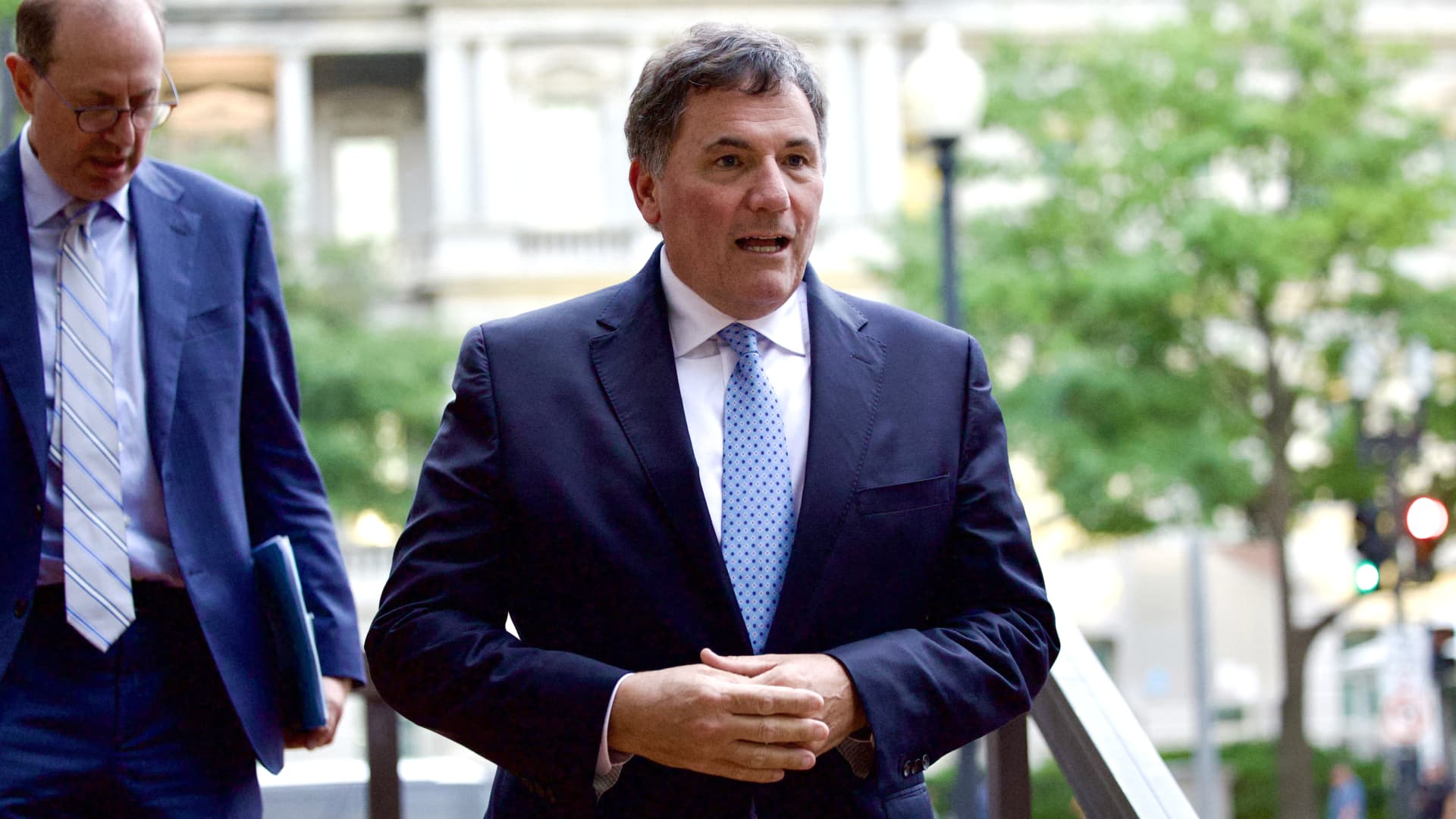
Canada's internal trade minister Dominic LeBlanc responded to the White House announcement with a measured statement. He said that while his government is evaluating the latest developments, Canada remains prepared to engage constructively and in good faith toward a trading relationship that is mutually beneficial and respects Canadian interests.
Prime Minister Mark Carney had previously characterized the retaliatory tariffs Canada imposed as "necessary to protect our workers." After the August collapse of negotiations, Carney directed that Canadian duties match US tariffs "dollar for dollar."
On Friday, Trump told reporters that Canada was "working very hard" to reach a trade deal with the United States. Carney, speaking via Canadian broadcaster CBC, struck a more patient tone. He said Ottawa was open to a fair agreement but was not in a hurry: "We could sign it this afternoon if the US were there. If it has to be months from now or longer than that, or another administration, before a proper deal comes into place, we will do that."
LeBlanc also confirmed on Thursday that a Canadian delegation had met with members of the Canada-United States Economic Relations Advisory Committee, marking the ninth such session since April 2026. According to the minister, the discussions centred on the ongoing economic impact of US tariffs within Canada.
Elections and Diplomatic Tensions
The timing of the announcement—less than two weeks before the US midterm elections, which will determine whether Republicans or Democrats control Congress for the remainder of Trump's term—has drawn scrutiny. The result of those votes could shape the trajectory of US trade policy and the broader Canada-US relationship in the years ahead.
Adding a layer of diplomatic friction, the US embassy in Ottawa has publicly accused Canada of election meddling in connection with the upcoming midterms, a claim that further complicates the already tense bilateral backdrop against which trade negotiations are taking place.