Background
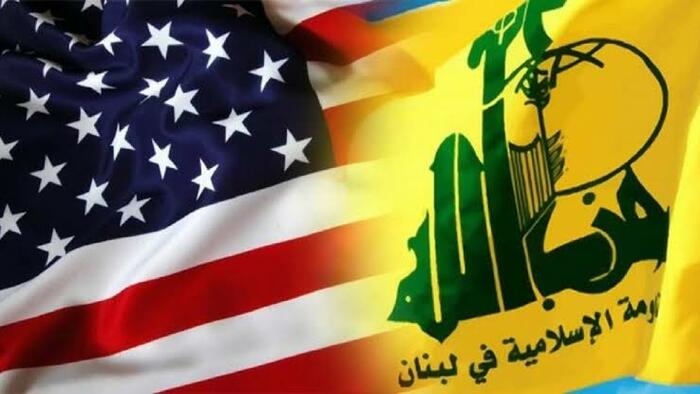
Hezbollah, the Lebanese Shia militant organization, has long been a key player in regional conflicts, especially in its protracted struggle against Israel and its support for the Syrian government during the civil war. While its origins can be traced to local grievances over Shia marginalization, the group’s power has grown to exceed that of the Lebanese army, making it a dominant force in Lebanese politics and security.
Treasury Designation
On Thursday, the U.S. Treasury announced a new sanctions package that formally classifies Hezbollah as “an arm of Iran’s Islamic Revolutionary Guard Corps (IRGC)”. The move is not the first U.S. action against the group; it builds on previous designations that have highlighted Hezbollah’s operational, financial, and logistical integration with the IRGC’s Quds Force. The Treasury’s language specifically states that Hezbollah operates “in service to the Iranian regime under the command of Iran’s Islamic Revolutionary Guard Corps.”
State Department Comments
A State Department spokesperson explained that the re‑designation clarifies Hezbollah’s role as an “Iranian proxy, not a stand‑alone operation as implied by the previous designation.” The official added that the action “builds on years of U.S. designations that have repeatedly documented the operational, financial, and logistical integration between Hizballah and the IRGC-QF.” The spokesperson described Hezbollah as an “extension” of the IRGC’s Quds Force and emphasized that the group operates with little regard for Lebanese sovereignty or the Lebanese people.
Targeted Individuals
The sanctions package also names ten individuals who are alleged to be part of a network that channels funds to Hezbollah. These individuals are listed as entities that facilitate the financial lifeline between Iran and the Lebanese militant group.
Hezbollah’s Response
Hezbollah released a statement on Friday saying the new sanctions would not deter its “path of resistance” against Israel. The group asserted that it does not need external validation of its Lebanese identity and patriotism, while expressing pride in its “close and fraternal relationship with the Islamic Republic of Iran.” The statement emphasized that the group would continue to defend Lebanon’s land, sovereignty, and resources.
Broader Geopolitical Context
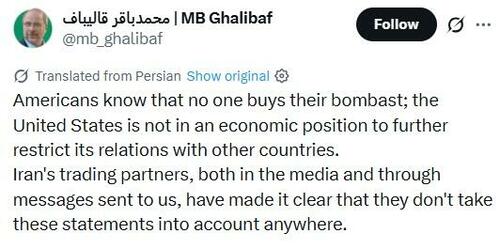
Washington’s latest action is part of a broader strategy to isolate Iran and its proxies economically. Analysts note that while the U.S. aims to cut off Iranian influence, achieving complete isolation is challenging due to the involvement of Russia, China, and other Global South and BRICS nations that may resist U.S. pressure. The new sanctions underscore the U.S. commitment to curbing Iran’s regional network, even as the geopolitical landscape remains complex.
Implications for Traders
For market participants, the designation signals an escalation in U.S. sanctions policy that could affect energy prices, currency stability in the region, and the flow of capital through companies with ties to Hezbollah or the IRGC. Traders should monitor U.S. Treasury releases and any subsequent actions that may impact cross‑border transactions involving Lebanese or Iranian entities.