The Anatomy of a Panic Trigger
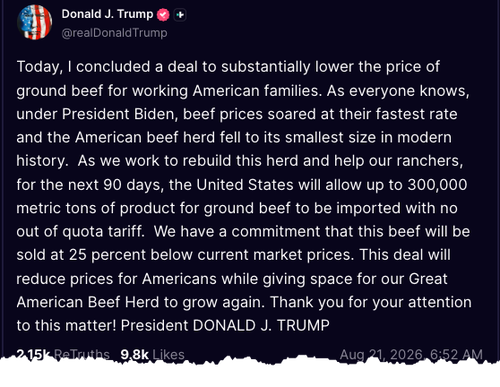
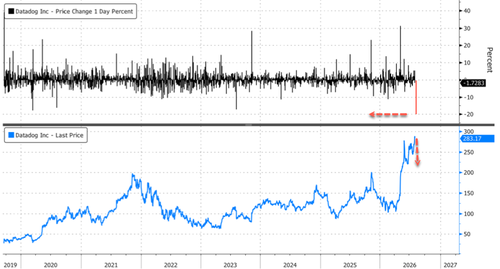
When a headline arrives, the market can react in seconds. A single piece of information that appears to threaten the perceived balance of economic fundamentals may prompt a flood of orders that overwhelms liquidity. The result is a sharp, often temporary, price swing that looks like a crash.
Common News Events That Spark Market Overreactions
- Monetary Policy Announcements – Unexpected changes in interest rates or forward guidance can shift carry trade flows.
- Economic Data Releases – Core inflation, employment figures, or GDP revisions that deviate from consensus can alter expectations of an economic trajectory.
- Geopolitical Developments – Sudden political instability, trade disputes, or diplomatic tensions change risk sentiment and currency demand.
- Regulatory Changes – New capital‑requirement rules or sanctions disrupt market expectations regarding a currency’s future performance.
- Corporate Earnings and Corporate‑Finance News – Large‑cap company results influence broader risk appetite underlying currency markets.
Each case involves the market’s collective expectation being violated, prompting panic as traders scramble to adjust exposure.
The Ripple Effect: From Headlines to Price Swings
Information flow in electronic markets means a single tweet or press release can be reflected in price action within milliseconds. Liquidity providers, often using algorithmic strategies, may amplify the initial move, creating a feedback loop. The market then enters a state of heightened volatility where bid‑ask spreads widen and slippage increases.
During these episodes, two key dynamics emerge:
- Liquidity Drain – Large participants pull orders, leaving fewer to absorb the sudden influx.
- Self‑Fulfilling Momentum – As prices move, other traders see the trend and join, reinforcing the direction.
Understanding these mechanics helps traders recognize that the crash is often a temporary distortion rather than a fundamental shift.
Staying Composed: Strategies for Traders
- Set Clear Risk Parameters – Define stop‑loss levels and position sizes before the market opens. Stick to them even when volatility spikes.
- Use Time‑Based Filters – Avoid trading immediately after a news release unless a proven strategy incorporates the expected volatility.
- Employ Order Types Wisely – Limit orders or stop‑limit orders can protect against slippage during rapid moves.
- Maintain a Diversified Portfolio – Relying on a single currency pair increases exposure to a particular news event. Diversification spreads risk.
- Keep a Trading Journal – Record reactions to past news events. Review entries to refine emotional response and decision‑making.
- Stay Informed, Not Obsessed – Subscribe to reputable news feeds but avoid constant monitoring. Over‑exposure can amplify panic.
By implementing these practices, traders can reduce the likelihood of reacting impulsively to market noise.
Learning from History: Case Studies of Classic Crashes
- The Euro Crisis – A surprise decision to tighten monetary policy in a major economy led to a rapid devaluation of the local currency and a sharp rise in the euro.
- The Global Financial Crisis – A sudden downgrade of a leading financial institution’s credit rating triggered a cascade of currency sell‑offs as risk appetite collapsed.
- The Yuan Intervention – An unexpected policy move to support a depreciating yuan caused a spike in volatility across emerging‑market currencies.
Each event illustrates that while fundamentals may remain stable, the market’s reaction can be disproportionate. Recognizing the pattern allows traders to anticipate potential overreactions and adjust strategies accordingly.
In summary, market news can spark panic that manifests as a sharp, temporary crash. By understanding the mechanics of overreaction and applying disciplined risk‑management techniques, traders can navigate turbulent moments with confidence and composure.