The Ruling and What It Means
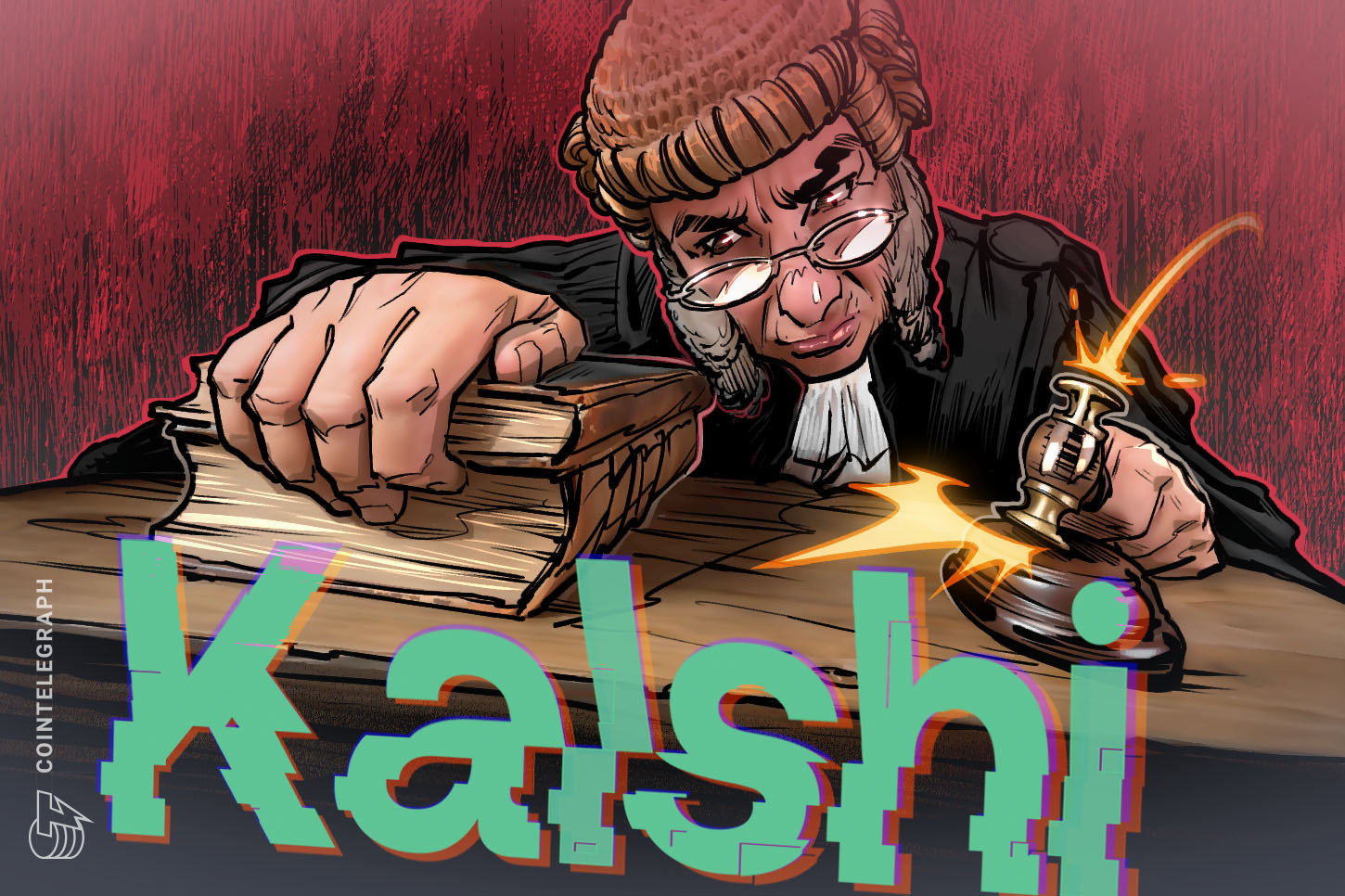
Kalshi, one of the most prominent platforms in the rapidly growing prediction market sector, has suffered a legal setback after an appeals court ruled against the company in a dispute over the scope of state regulatory authority. The decision confirmed that individual states retain the power to impose their own regulatory frameworks on prediction market operators, a position that directly challenges Kalshi's broader efforts to operate under a more uniform, federally streamlined regime.
Prediction markets allow participants to buy and sell contracts tied to the outcome of real-world events, ranging from economic indicators and election results to weather outcomes. Because these products blur the line between a commodity exchange and a wagering vehicle, regulators at both the federal and state levels have been working to clarify where jurisdiction lies. The appeals court's ruling in Kalshi's case reinforces the principle that state governments are not displaced by federal oversight simply because a platform holds a national or federal license.
Implications for Traders and the Prediction Market Ecosystem
For traders who use prediction market platforms, the ruling introduces a layer of regulatory complexity that was not present in the early days of the sector. A state-by-state patchwork of rules could mean that the same event contract is lawful in one jurisdiction and restricted or prohibited in another. Traders may need to verify that their state of residence permits participation in a given platform before placing trades.
From a broker and platform perspective, the decision increases compliance costs. Operators will likely need to maintain separate licensing structures, implement geofencing or identity-verification procedures, and monitor ongoing legislative changes across multiple states. For smaller marketplaces, those costs could be disproportionately burdensome, potentially consolidating the sector around a handful of larger, better-resourced operators.
The ruling also sends a signal to other prediction market entrants that state regulators will not simply defer to federal frameworks. Any new platform seeking to launch in the United States should now budget for a multi-jurisdictional compliance strategy from the outset.
What Comes Next
Kalshi and other industry participants are expected to weigh whether to pursue further legal remedies or to work within the state-level framework the court has endorsed. State legislatures, for their part, may see the decision as a green light to craft bespoke rules tailored to local consumer-protection priorities, which could range from capital-requirement mandates to restrictions on which event categories are tradable.
For the broader trading community, the key takeaway is that prediction markets are no longer operating in a regulatory vacuum. The era of rapid, largely unregulated growth is giving way to a more structured environment, and traders should stay informed about which platforms are authorized in their jurisdiction and what obligations those platforms carry toward participants.