I’m ready to rewrite the article, but I need the full source text you’d like me to transform. Could you please provide the portion from the WSJ Markets piece so I can create the opening section as requested?
Asian Bond Market Sentiment
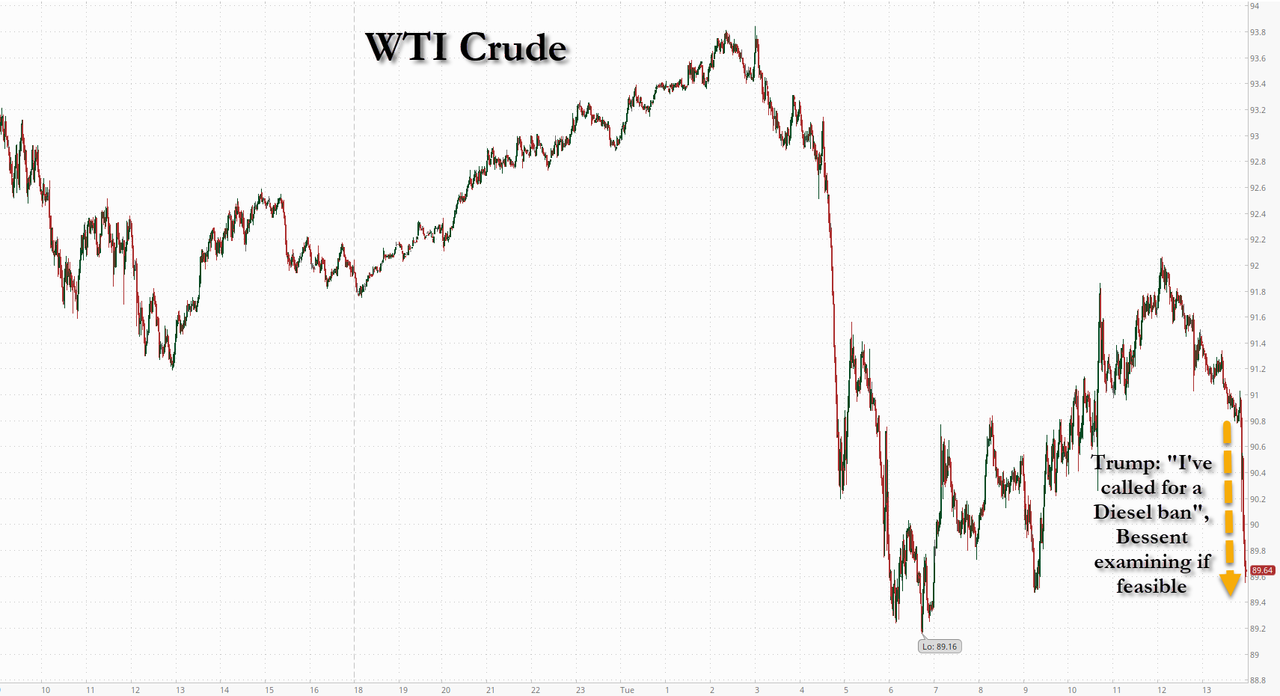
At 0115 GMT, government securities across Asia slipped in price terms as crude prices climbed, a move that generally feeds expectations of higher inflation and potential tightening by central banks. Global yields were on the rise, buoyed by stronger oil prices and a waning belief that the Strait of Hormuz would reopen, OCBC Group Research noted in a recent commentary. The bank highlighted reports that an Iran‑Oman shipping proposal may not fully restore access through the strait, tempering earlier optimism.
Yield Movements
- Japan – The 10‑year Japanese government bond yielded 2.780 %, up 2 basis points.
- Australia – The 10‑year Australian sovereign security traded at 4.9690 %, a rise of 5 basis points.
- New Zealand – The 10‑year New Zealand government bond reached 4.7080 %, gaining 3 basis points.
(Source: ronnie.harui@wsj.com)
Market Dynamics in Early Tokyo Trading
At 00:05 GMT, futures on Japanese government bonds slipped during the opening session in Tokyo, mirroring the decline that unfolded overnight in the U.S. Treasury market. Historically, movements in JGBs and U.S. Treasurys have shown a strong correlation, and today’s price action continued that pattern.
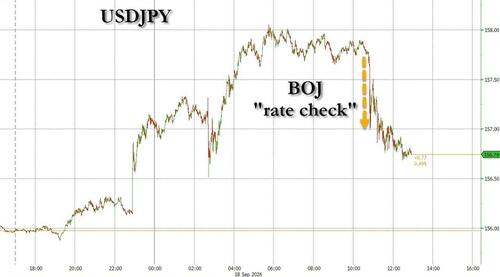
The recent uptick in crude‑oil prices, together with a softer yen, is adding pressure on Japanese bond valuations. Both factors are generally viewed as inflationary drivers for Japan and could prompt the Bank of Japan to consider a more aggressive rate‑hiking stance.
Nevertheless, market participants are expected to keep a close eye on the U.S. non‑farm payrolls data scheduled for release later in the day, assessing any potential impact on the Federal Reserve’s policy outlook.
The front‑month 10‑year JGB futures contract fell by 0.30 yen, settling at 127.05 yen.
Source: ronnie.harui@wsj.com
In sum, while commodity‑driven inflation concerns and currency weakness weigh on Japanese bond prices, the upcoming U.S. employment figures remain the primary catalyst that could shape short‑term direction across both Asian and global fixed‑income markets.