Gold Consolidates Lower Amid Renewed Inflation Concerns
The gold market continued to digest a bout of selling as a combination of headwinds kept the precious metal pinned below recent levels. The primary drivers behind the persistent weakness were the unexpected resurgence in global energy prices and a wave of US economic data that came in materially stronger than consensus forecasts had anticipated.
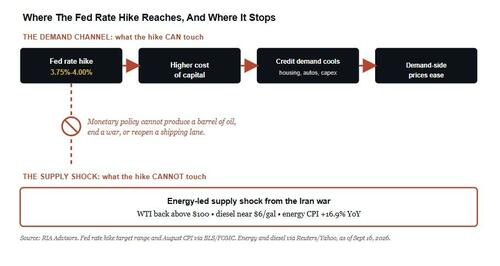
Together, these two forces have sharpened market focus on inflation risk and, by extension, the policy trajectory of the Federal Reserve. Traders have responded by repricing their expectations, with a growing share now betting that the central bank may need to raise interest rates once more to bring price pressures back under control.
Energy Prices and US Data Reshape Fed Outlook
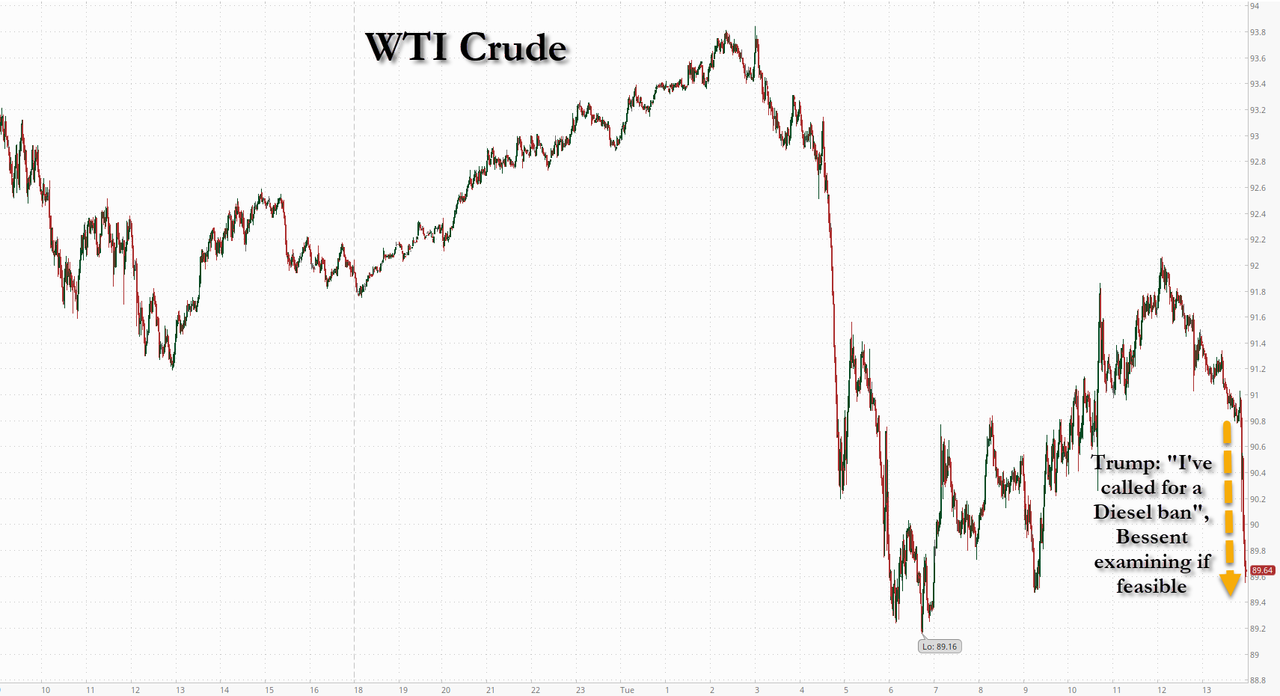
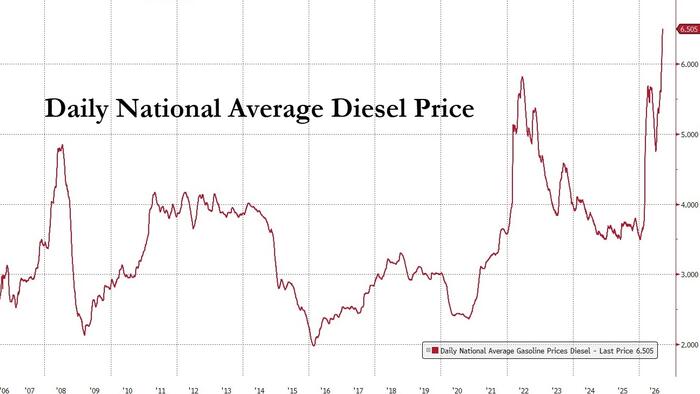
The rekindled climb in oil prices has been a particular concern for rate-sensitive assets. Energy costs feed directly into headline and core inflation metrics, and a sustained uptick in crude typically complicates the Fed's ability to declare the inflation fight won. Market participants watched the energy complex closely, noting that the rebound in prices arrived at a moment when policymakers were still calibrating their stance.
Simultaneously, the release of US economic indicators that exceeded expectations removed some of the tailwind that had been supporting the case for a dovish Fed. Stronger data implies a more resilient labour market and consumer spending, both of which can keep inflationary pressures alive even as growth dynamics evolve. The net effect was to tilt the probability distribution toward an additional tightening step, a shift that proved unfavourable for gold, an asset that does not pay a yield and tends to lose appeal when the opportunity cost of holding it rises.
Implications for the Precious Metals Complex
For investors tracking the gold market, the current setup underscores a familiar dynamic: when the real yield environment tightens, the appeal of non-yielding assets diminishes. The interplay between energy-driven inflation concerns and a stronger-than-expected US economic backdrop has left traders with fewer arguments for an imminent pivot to rate cuts, and a greater emphasis on the possibility of further hikes.
Until oil prices stabilise or US data begin to soften, the gold market is likely to remain vulnerable to further downside pressure. The key variables to monitor in the coming sessions will be the trajectory of energy prices, any fresh releases of American economic indicators, and the forward guidance embedded in Fed communications. For now, the balance of market sentiment favours caution, and gold's recent gains have been largely given back as rate-hike expectations reassert themselves.