A Market That Looks Calm on the Surface
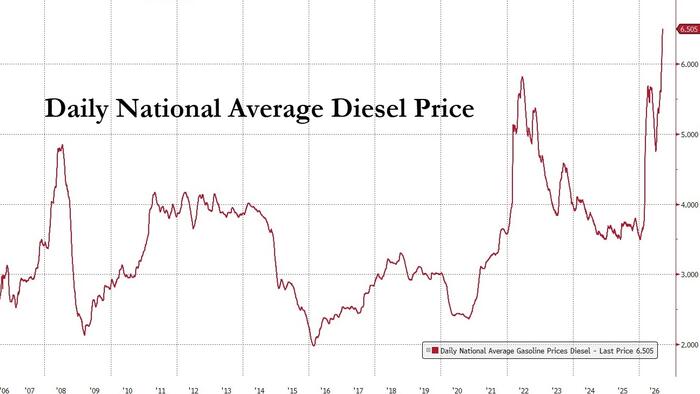
The S&P 500 has delivered roughly an 11% return from the start of 2026 through mid-September. On the surface, that is a respectable stretch for the benchmark index. Yet the path to those gains has been anything but linear. Investors have been forced to juggle a booming artificial-intelligence infrastructure buildout against a U.S.-Iran confrontation, a resulting energy shock, and pump prices that have pushed many American drivers to around five dollars per gallon. Bullish participants have so far edged out the bears, but the broader picture is more nuanced than the headline number implies.
Andrew Rocco, writing for Zacks Investment Research, argues that the current setup resembles a beach ball being held underwater. The fundamental forces pushing stocks higher are already in place; what is missing is the catalyst that lets the pressure release. He identifies five distinct data points that, taken together, point toward a violent upside move rather than a continuation of the grinding consolidation seen over the past several months.
AI Spending Accelerates Even as Sentiment Cools
The artificial-intelligence sector is, by most historical measures, the fastest-growing industrial complex on Wall Street since the late-1990s internet boom. Rocco puts it in broader context: the scale of the AI buildout rivals the largest industrial construction effort since the late 1800s. Despite that momentum, AI-related equities have spent months in consolidation, weighed down by investor anxiety over private credit risk, slowing end-market growth, AI safety debates, and fears of corporate overspending.
The data, however, tells a different story from the headlines. Rocco opens with a reminder he attributes broadly to the investing community: "Words talk; numbers scream." His point is that market participants should anchor to quantitative signal rather than narrative noise. Current Wall Street estimates project AI-related capital expenditure will climb from approximately 741 billion dollars this year to 889 billion dollars next year, a figure that represents roughly 2.5 percent of U.S. GDP.
Valuation has quietly reset to more attractive territory. According to RBC, the AI stock basket has commanded an average forward price-to-earnings premium of about 30 percent over the S&P 500 across the past decade. After the recent wave of sentiment-driven selling, AI-related names now trade at roughly 20 times forward earnings, essentially in line with the broader index. Perhaps most striking is the position of NVIDIA, the sector's dominant player, whose earnings multiple has retreated to levels near seven-year lows.
Earnings Growth Is Running Far Ahead of History
In a typical cycle, the S&P 500 posts its fastest earnings expansion in the year following a recession, when low baselines flatter the year-over-year comparison. The 2026 setup is unusual in that the earnings surge is arriving without a preceding contraction. Zacks Consensus Estimates place S&P 500 earnings growth at 28.3 percent for the full year, a pace that ranks among the strongest outside of post-recession snapback periods.
The technology segment is the primary engine. In the second quarter, tech-sector earnings jumped 101.20 percent, driven by outsized contributions from AI-adjacent names including Micron, SanDisk, Advanced Micro Devices, and SK Hynix. Forward expectations are even more aggressive: Zacks Consensus Estimates call for SanDisk to grow earnings per share by an extraordinary 3,689.34 percent in the current quarter and 728.23 percent in the following one. Wall Street analysts, in other words, are not merely pricing in continued growth—they are accelerating their forecasts.
Inflation, Rates, and the Fed: Less Bearish Than They Look
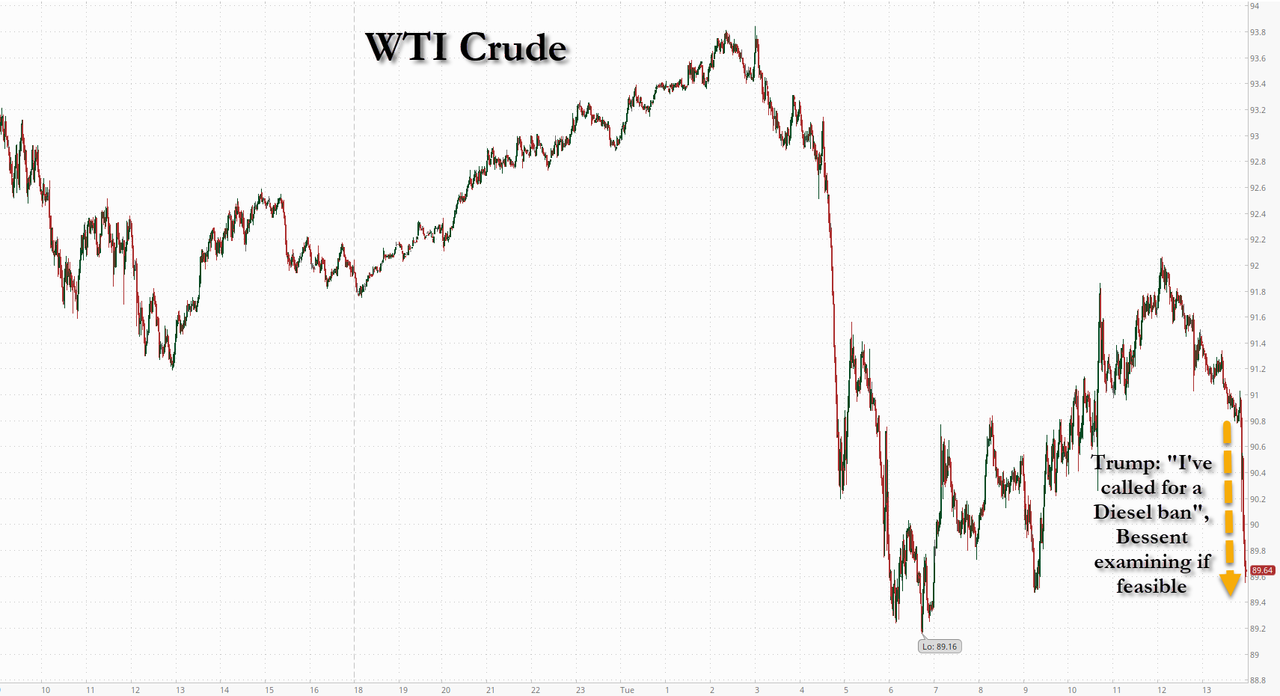
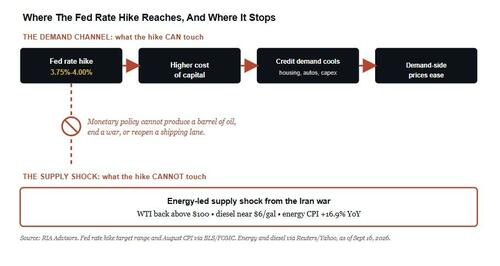
Stubborn inflation has been the dominant macro worry among institutional investors in 2026, and the U.S.-Iran conflict has compounded the problem by disrupting Strait of Hormuz flows and sending energy prices higher. The silver lining, Rocco notes, is that energy-price shocks of this type are historically short-lived, averaging roughly eight months from peak to normalization. Meanwhile, the massive AI infrastructure buildout, while currently lifting costs for electricity, semiconductors, and hardware, is expected to drive down unit costs across the broader U.S. economy over time through efficiency gains, supply-chain optimization, and automation.
On the monetary side, Kevin Warsh and the Federal Reserve hiked interest rates last week for the first time since 2023, with one additional hike currently priced into the Fed's communication. The old Wall Street adage warns against fighting the Fed, but the historical record is more forgiving. Since 1946, equities have ended higher in 66.7 percent of all instances one year after the first rate increase in a tightening cycle.
Kristjen Qullamaggie, the trader who famously grew a three-thousand-dollar account into a 100-million-dollar book, offers a contrarian read: "Markets usually keep going for another six to nine months after a rate hike cycle has begun. So, it's actually a bullish thing, not a bearish thing." In other words, the market's knee-jerk reaction to a hike may be the wrong trade.
Sentiment and GDP: The Setup for a Squeeze
The Atlanta Fed's nowcast puts U.S. third-quarter real GDP growth at a scorching 5.1 percent, a figure that would place the economy among the strongest performers in a decade. Yet investor positioning tells the opposite story. The latest AAII Sentiment Survey shows bullishness at just 28.8 percent while bearishness sits at 53.3 percent. That combination—a robust real economy paired with a deeply cautious investor base—creates the classic conditions for a short squeeze: as the skeptical cohort begins to re-enter, their buying pressure adds fuel to an already accelerating rally.
Rocco's bottom line is that the confluence of surging corporate earnings, a GDP print well above trend, and widespread pessimism forms what he calls the perfect cocktail for an explosive upside move in equities. The geopolitical and rate-related headlines are real, but they are, by his framing, secondary to the fundamental momentum already embedded in the numbers. For traders and portfolio managers monitoring the S&P 500 and its AI-heavy constituents, the implication is that the risk-reward asymmetry increasingly favors the long side, provided the energy shock resolves on its typical eight-month timeline and the AI capex cycle continues to compound.