Oil Spike Triggers Cross-Asset Selloff in Asia
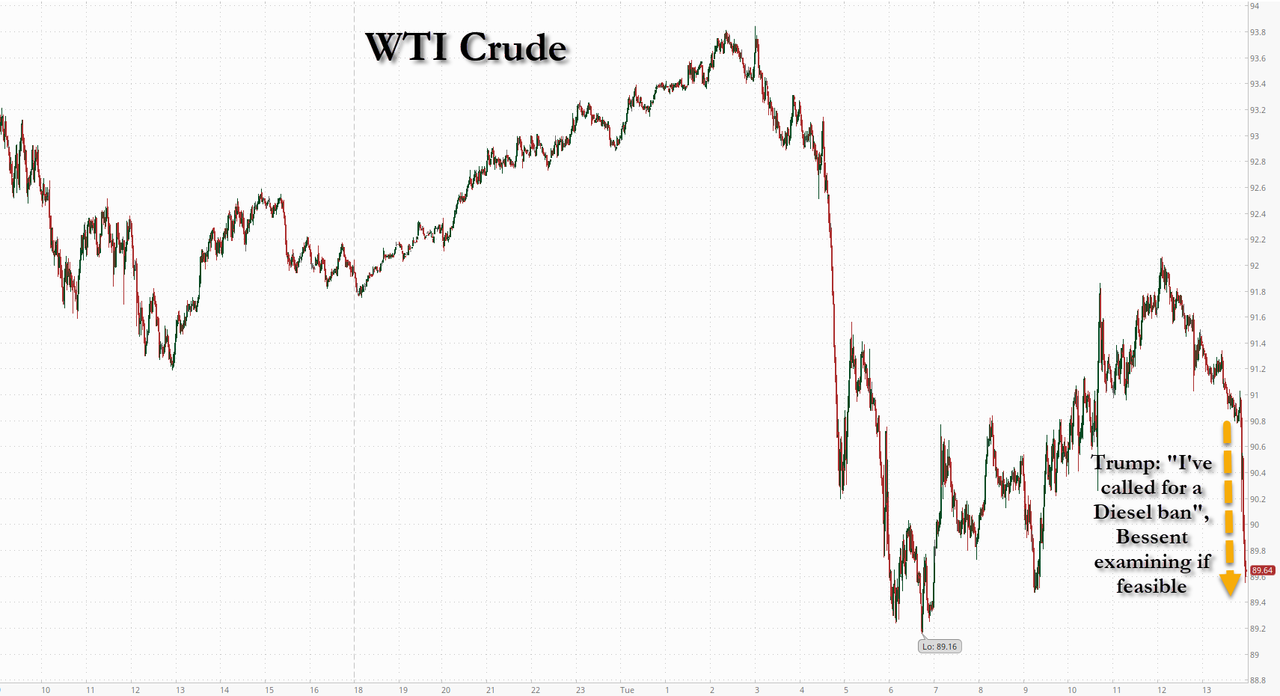
Asian equity and bond markets posted notable declines as a sudden jump in crude oil prices sent shockwaves through global risk assets. The initial sell-off originated in US markets, where the oil-price surge prompted investors to trim exposure to riskier assets. That pressure quickly transmitted across the Pacific, dragging down Asian stock indices and pushing bond yields higher as investors reassessed their risk positions.
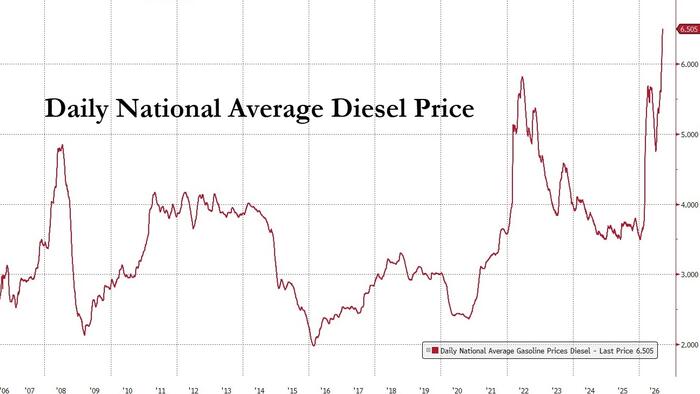
The interconnection between energy markets and equity valuations was on full display. A sustained rise in oil prices raises input costs for producers and consumers alike, compressing corporate margins and squeezing household spending power. In a region as energy-import-dependent as much of Asia, the pass-through effect on inflation expectations is particularly acute, making the oil spike a direct threat to both growth and price stability.
Inflation Data Sharpens Fed Hike Narrative
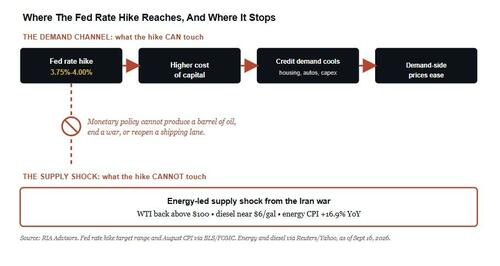
Compounding the oil-driven anxiety, the most recent inflation print arrived in a way that reinforced market consensus that the Federal Reserve is likely to deliver a near-term interest-rate increase. The data did not merely confirm existing expectations; it strengthened them, narrowing the window in which traders had priced the possibility of the Fed holding steady.
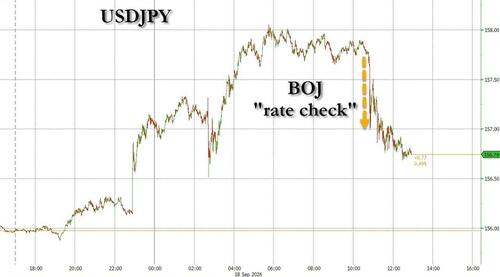
For Asian markets, the implications are twofold. First, a more hawkish Fed posture typically strengthens the US dollar and lifts global borrowing costs, which can put pressure on emerging-market currencies and capital flows. Second, if the oil-price rally persists, Asian central banks face a more difficult balancing act between supporting growth and containing imported inflation.
Convergent Headwind for Risk Assets
Taken together, the two catalysts — the oil surge and the firmer inflation signal — created a convergent headwind for risk assets in Asia, with equities and bonds both bearing the brunt of investors' renewed focus on the inflation and monetary-policy outlook. The episode underscored how quickly a single commodity shock, layered on top of a hawkish rate narrative, can shift the risk calculus across entire regions.