Asian Equities Slide as Dollar Firms
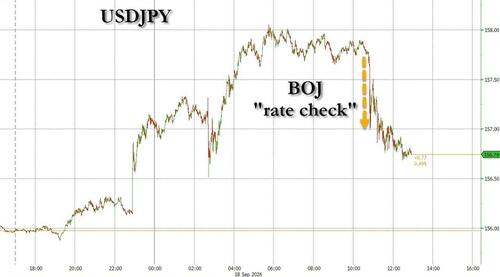
Asian equity markets closed lower on the session, shedding ground across major indices. The broad risk-off move came as the U.S. dollar consolidated its earlier advances, reinforcing a dollar-bullish bias that had been building in recent trading. The combination of weaker Asian shares and a stronger greenback reflected a shift in investor positioning toward U.S. assets, with the dollar's firmness acting as a headwind for regionally listed equities.
Warsh's Hawkish Remarks Reshape Rate Outlook
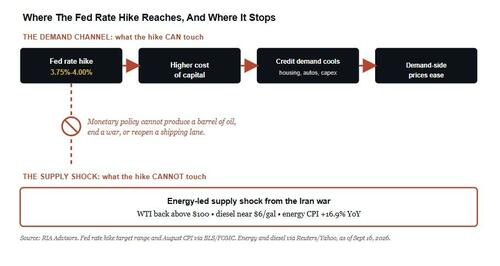
The catalyst behind the risk-off tone was a string of hawkish remarks from Federal Reserve Chair Kevin Warsh. His comments signaled a more restrictive monetary policy stance than many market participants had priced in, and the remarks did not go unnoticed by traders. Rather than a neutral or dovish framing, Warsh's tone pointed squarely toward the possibility of an interest-rate hike as early as next month.
The market reaction was immediate: probability estimates for a rate increase at the upcoming Federal Reserve meeting rose, tightening the repricing of the Fed's forward path. For investors who had been anchored to a more accommodative outlook, the shift forced a recalibration of portfolio assumptions, particularly in fixed-income and equity strategies that are sensitive to discount-rate changes.
Oil Extends Gains on Mideast Tensions
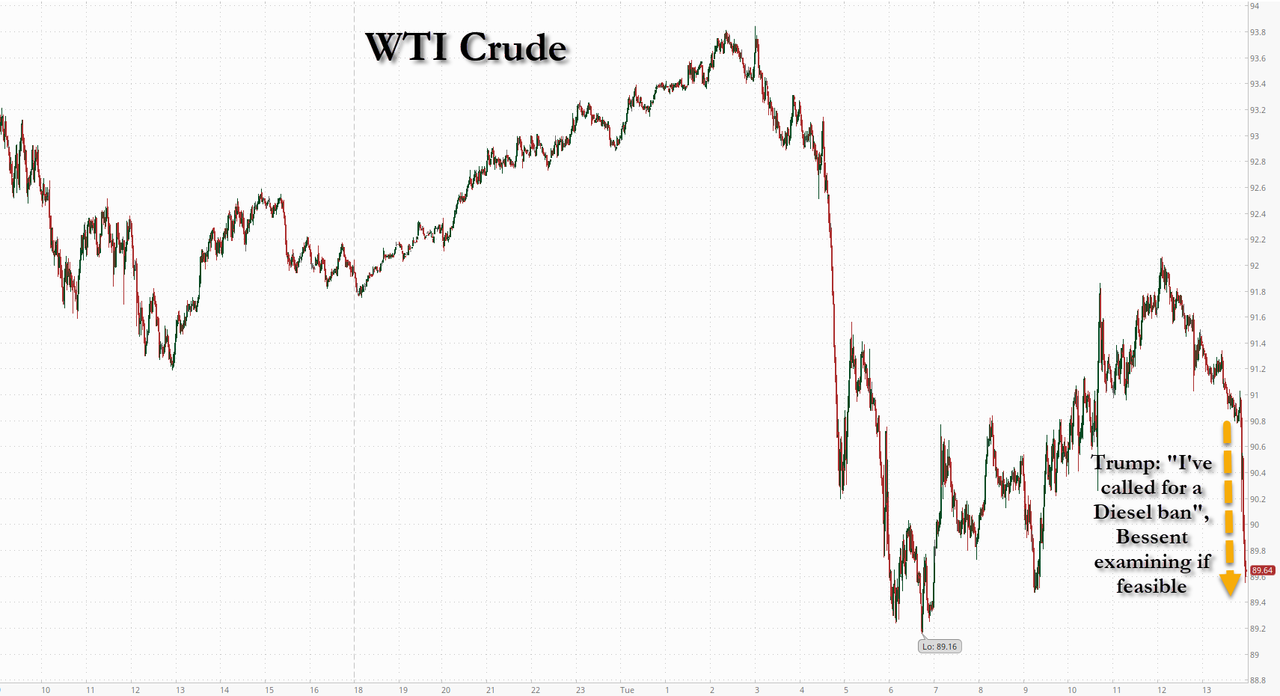
In energy markets, crude oil prices climbed, extending a trend of higher valuations underpinned by a growing geopolitical risk premium. The driver was a further intensification of tensions in the Middle East, which heightened concerns over potential supply disruptions in the region. Traders added a risk premium into crude contracts as the situation evolved, with the prospect of tighter global supply weighing on sentiment.
The simultaneous move — higher oil, a stronger dollar, and lower Asian equities — painted a picture of a market bracing for both monetary tightening and geopolitical escalation. Investors are now watching for further signals from Washington on the timing and magnitude of the expected rate hike, as well as developments on the ground in the Middle East that could either amplify or ease the energy-market premium.