Treasury Sales Linked to Yen Defense
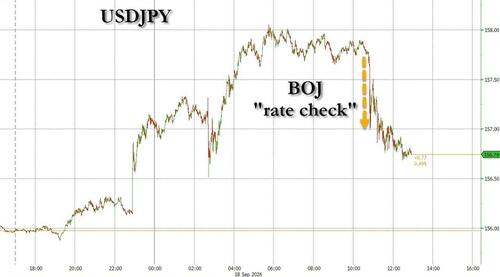
A report published by Bloomberg Markets indicates that the Japanese government most likely tapped into its holdings of foreign securities — specifically US Treasury bonds — to fund what it describes as a record-breaking intervention in the currency markets. The selling activity, the report suggests, took place over the course of the past month as authorities worked to shore up the yen.
The finding points to a direct link between Japan's sovereign bond portfolio and its foreign-exchange operations. Rather than relying solely on domestic liquidity or existing foreign-exchange reserves, Japanese policymakers appear to have liquidated a slice of their overseas investment positions to generate the foreign currency needed for the intervention.
Broader Implications for the Bond Market
The report underscores a well-known but still consequential mechanism: when a central bank or finance ministry sells foreign government debt to raise funds for currency operations, it can introduce additional supply pressure into the relevant bond market. In this case, the US Treasury market would be the most directly affected, as Japanese institutions are among the largest foreign holders of American government securities.
Bloomberg's characterization of the intervention as "record" signals that the scale of the operation was significantly larger than previous episodes of yen defense. While the report does not specify exact volumes of bonds sold or the precise dollar amount of the intervention, the use of the word "record" implies that the episode ranks among the most aggressive currency interventions in recent Japanese history.
Market Context and Investor Reaction
For fixed-income traders and foreign-exchange strategists, the report adds a new data point to the ongoing debate about how much Japan's intervention activity can ripple through global bond markets. The timing — concentrated within a single month — suggests a coordinated and substantial effort to push the yen's value higher, likely in response to sustained depreciation pressure.
Investors monitoring the US Treasury market may watch for subtle shifts in bid-ask spreads or secondary-market trading volumes in the weeks following the reported sales, as the full impact of the divestment settles through the system. The report does not disclose specific maturities or tranches sold, leaving the precise footprint on the curve to be inferred from broader market data.