A 6% Yield Scenario Gains Traction in Strategist Circles
Mark Cranfield, a strategist at Bloomberg MLIV, has issued a cautionary assessment of where U.S. Treasury yields could be headed. In his view, the 10-year Treasury note — the benchmark curve point that anchors mortgage rates, corporate borrowing costs, and global asset pricing — carries a realistic risk of pushing its yield to 6%. That level would represent a significant stretch from recent trading ranges and would signal a sharp repricing of the term premium embedded in long-dated government debt.
Cranfield's warning comes at a time when fixed-income investors are already grappling with a Fed that has been reluctant to signal aggressive easing, energy markets that remain under strain, and a geopolitical backdrop that continues to inject uncertainty into risk premia. Rather than treating the 6% figure as a tail scenario, he frames it as a plausible outcome if the confluence of these headwinds persists.
Policy, Oil, and Geopolitics: The Three-Pronged Pressure
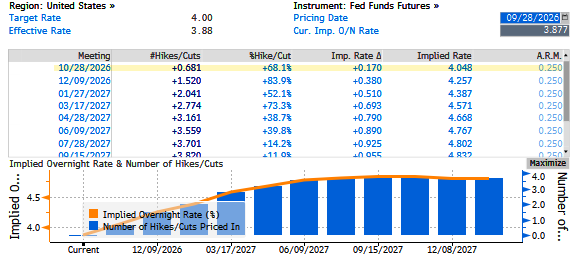
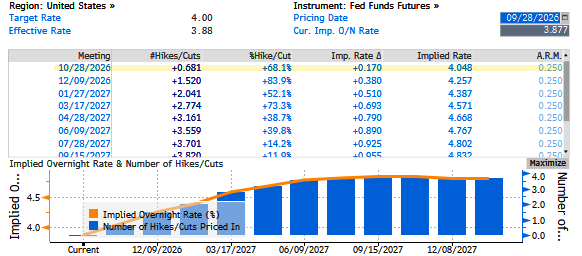
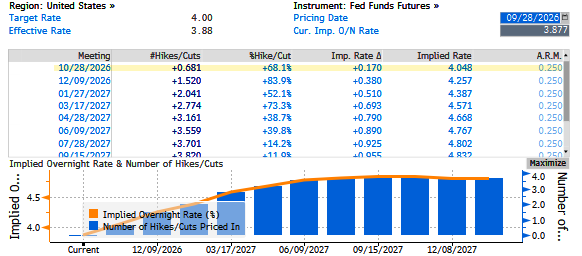
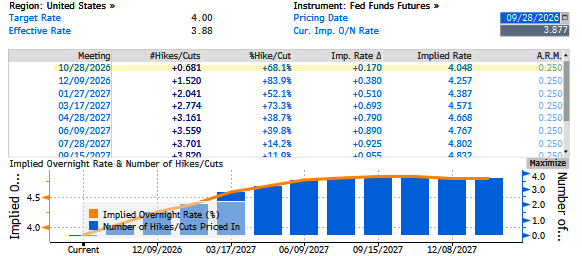
According to Cranfield, three distinct forces are working in the same direction, collectively keeping upward pressure on Treasury yields. First, Federal Reserve monetary policy remains a central variable. The Fed's stance — whether through its current rate path, forward guidance, or the pace at which it reduces balance-sheet runoff — directly shapes the level of short- and medium-term yields and, by extension, the shape of the curve. A policy environment that keeps the fed funds rate elevated for longer than markets had earlier priced in naturally lifts the entire yield curve, with the 10-year sitting at the intersection of short-rate expectations and the term premium.
Second, elevated oil prices are feeding into inflation expectations and, consequently, into the real and nominal components of Treasury yields. When energy costs remain high, households and firms face higher input and consumption costs, which can keep inflation readings sticky and push the market to demand a higher nominal yield to compensate for anticipated erosion of purchasing power.
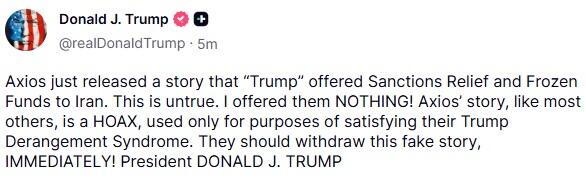
Third, geopolitical tensions continue to weigh on investor sentiment. Cranfield identifies these tensions as an additional source of upward pressure, noting that uncertainty around global conflicts, trade disruptions, or energy-supply risks can widen risk spreads and force investors to demand extra compensation for holding long-dated sovereign debt. The combination of these three factors, in his assessment, creates a self-reinforcing environment in which yields find it difficult to retreat meaningfully.
Implications for the Broader Fixed-Income Landscape
A sustained move toward a 6% 10-year yield would have wide-reaching consequences. Mortgage rates, which are closely tied to the 30-year Treasury but strongly influenced by the 10-year, would face additional upward pressure. Corporate bond spreads could widen as the risk-free rate benchmark rises, making leverage financing more expensive. Equity valuations, particularly for long-duration growth names, would face higher discount rates. For central banks and sovereign debt issuers globally, a stronger dollar driven by higher U.S. yields could complicate external financing.
Cranfield's remarks underscore a broader theme in current market debates: the risk that the path of U.S. Treasury yields is more upward-biased than the consensus has been pricing, and that the confluence of policy, energy, and geopolitical risks makes a sharp retreat less likely in the near term.