Treasury Selloff Pauses in Early Asian Trading
The sharp selloff in U.S. Treasury bonds that had been building over recent sessions appeared to find a floor during early Asian trading hours. Government bond yields, which had climbed to multi-year highs amid mounting pressure from two distinct forces, showed signs of stabilizing rather than continuing their upward march. The pause offered a brief breather to fixed-income investors who had been on the defensive as the market repriced its expectations for the path of U.S. monetary policy.
Oil and Iran Tensions Fuel Inflation Fears
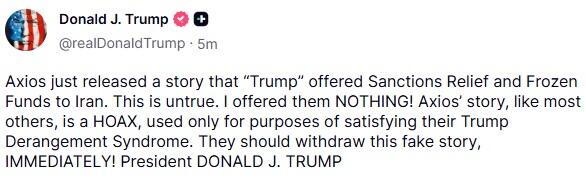
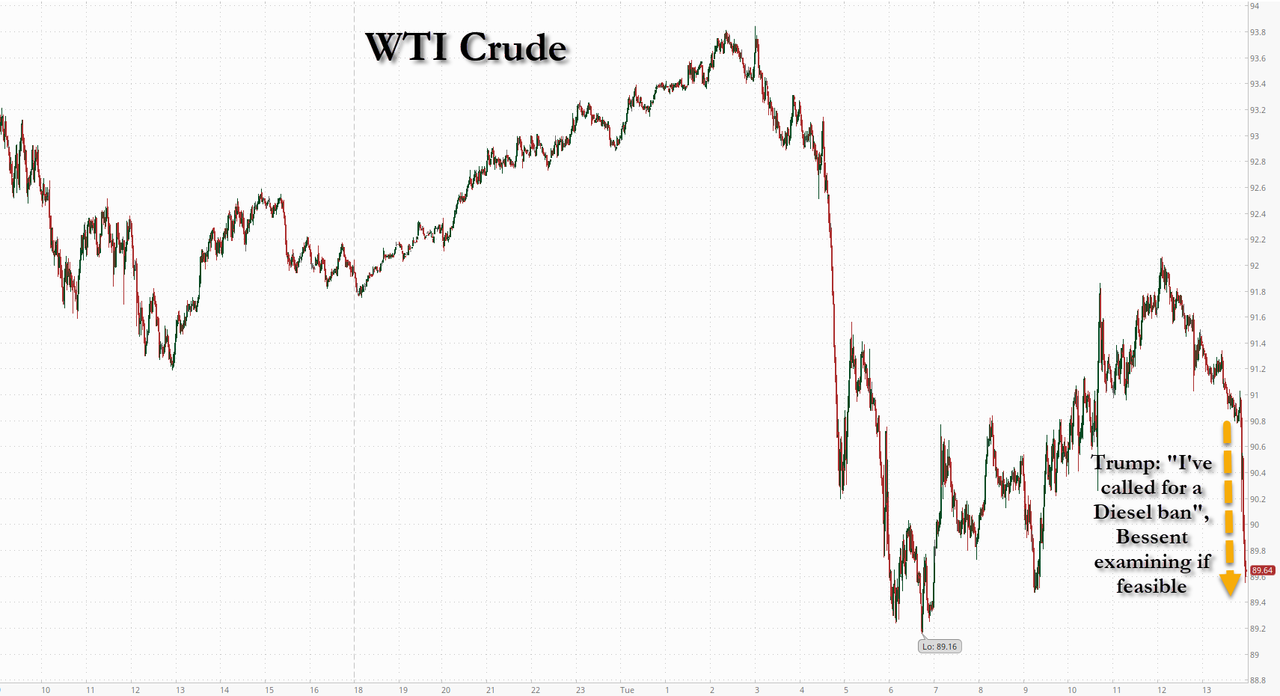
A significant driver behind the Treasury pressure was the spike in crude oil prices linked to the ongoing standoff between the United States and Iran. Elevated energy costs stoke inflation concerns across the global economy, and markets quickly translated that into a repricing of real yields. When oil moves higher on geopolitical risk, the immediate knock-on effect is a broadening of Treasury spreads and a flight toward the safety of shorter-duration instruments, as investors worry that persistent energy-driven price increases will complicate central-bank disinflation efforts.
Fed Rate-Hike Expectations Keep Yields Elevated
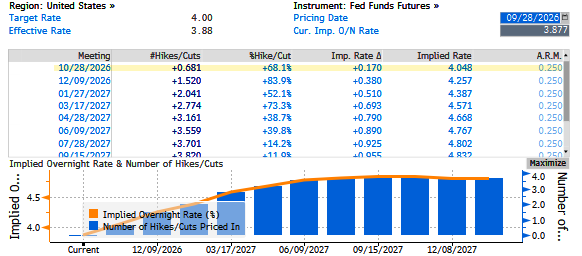
Compounding the oil-driven pressure, traders continued to price in the possibility of further interest-rate hikes by the Federal Reserve. The market's bet that the Fed still has work to do on the tightening front meant that the entire yield curve was being bid out, with long-dated Treasuries bearing the brunt of the selling. The combination of a hawkish policy outlook and a supply-demand imbalance in the bond market had pushed yields to levels not seen in years, intensifying the selloff that ultimately stabilized in the early Asian session.
Equities Edge Lower
While the Treasury market found tentative footing, equity markets told a less encouraging story. Global stocks slipped during the same trading window, as investors weighed the dual headwinds of higher-for-longer interest rates and a more volatile geopolitical backdrop. The modest decline in shares reflected a risk-off posture, with market participants pulling back from growth and rate-sensitive sectors that stand to lose the most if the Fed's tightening cycle extends further than previously anticipated.