Gold Cements a Sharp Pullback
Gold prices remained pinned close to a seven-week low, failing to recover from a steep intraday decline. The metal's inability to claw back lost ground underscores the depth of selling pressure building in the precious-metals complex during the current session.
Geopolitical Flashpoint Fuels Inflationary Concerns
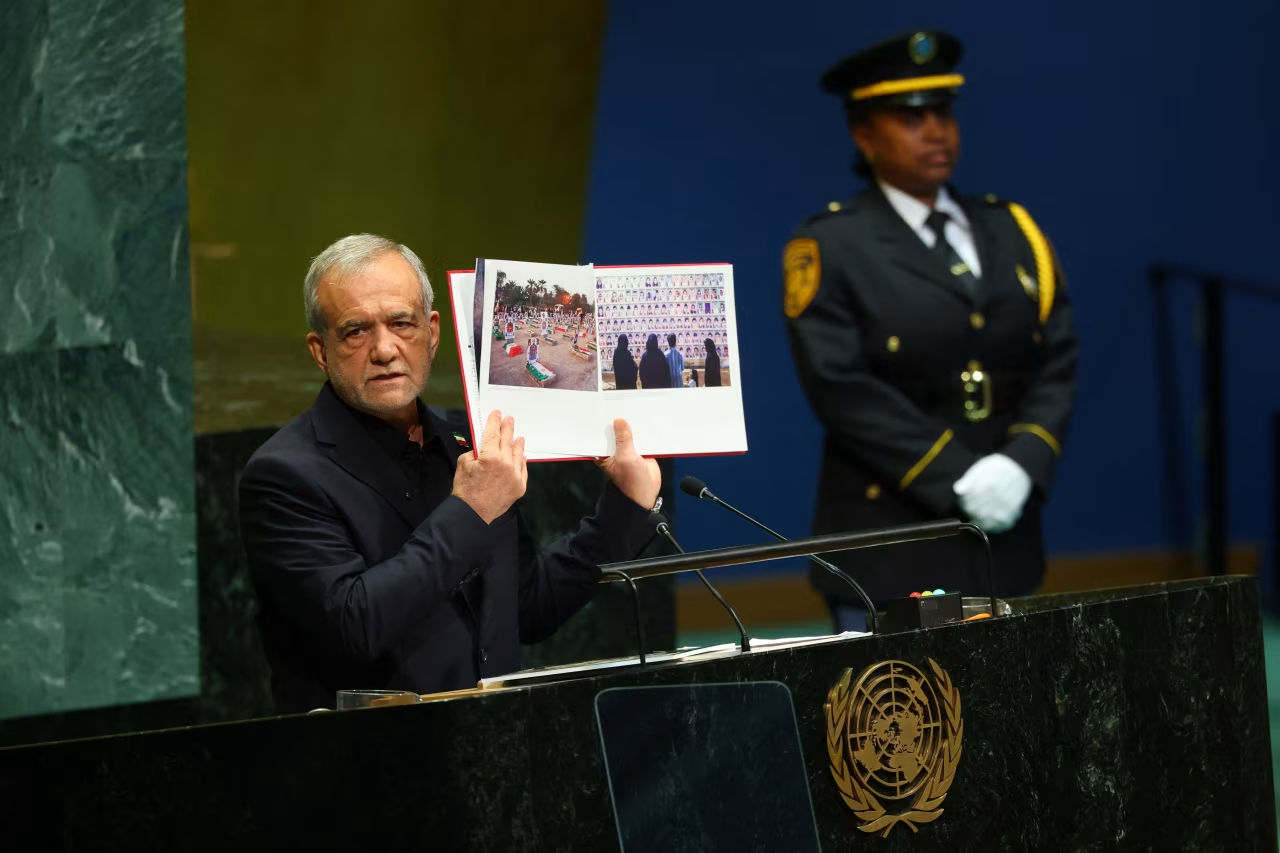
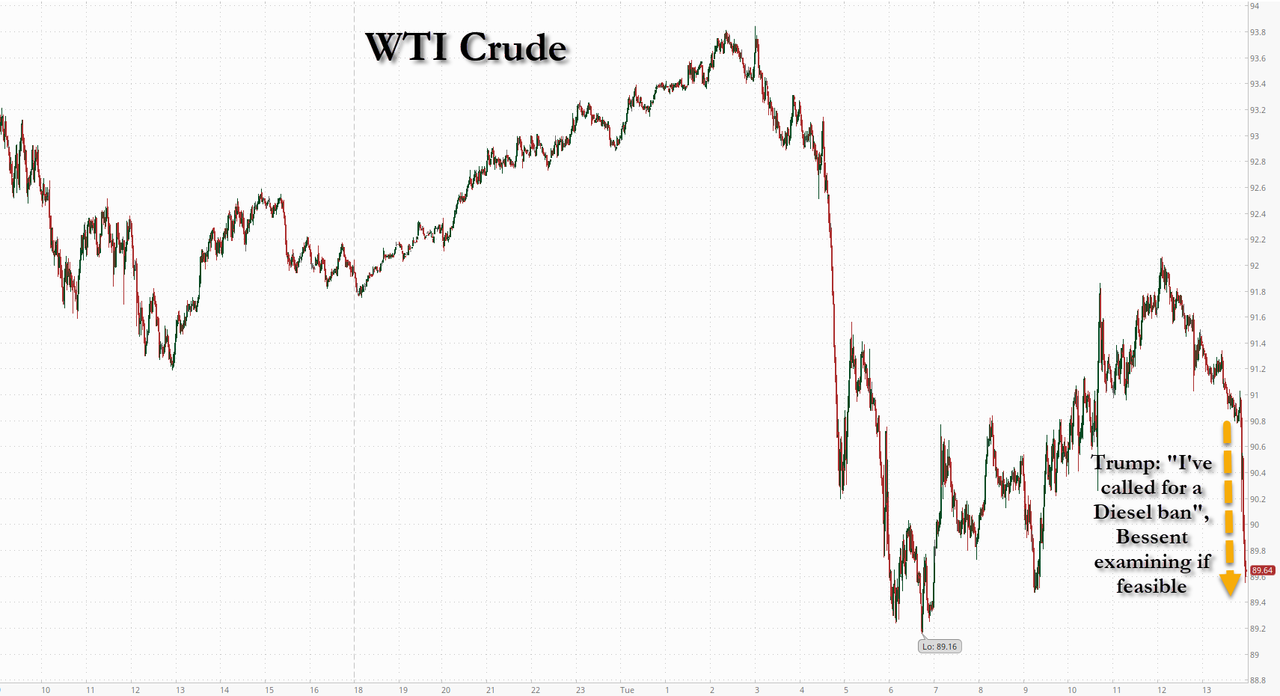
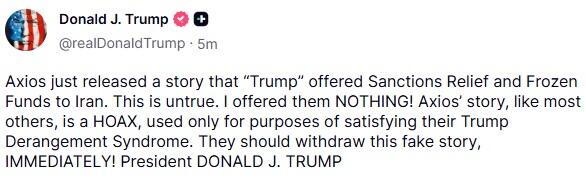
The central driver behind the weakness is the ongoing deadlock between Washington and Tehran over the Strait of Hormuz. The unresolved standoff in one of the world's most critical maritime chokepoints has kept global energy costs elevated, feeding directly into broader inflationary pressures across major economies.
With oil and related fuels remaining costly, the inflation trajectory that central banks have been tracking shows little sign of easing quickly. This persistent energy-price overhang is the thread connecting a Middle-East geopolitical dispute to the daily price action in a commodity traded in New York and London.
Fed Rate-Hike Expectations Intensify
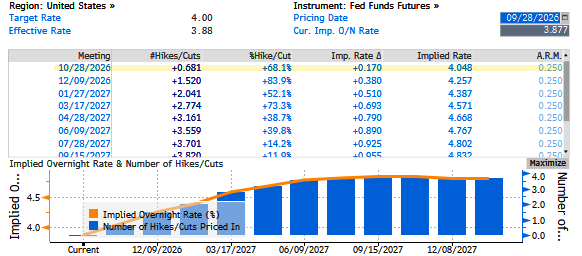
The sustained elevation in energy costs is, in turn, maintaining pressure on the Federal Reserve to continue hiking interest rates. Market participants interpret the stubborn inflation signal—largely transmitted through the energy complex—as a reason for the Fed to keep its tightening bias intact rather than pivot toward easing.
Higher-for-longer rate expectations are particularly damaging to gold, which carries no yield and competes directly with interest-bearing assets for investor capital. As the prospect of additional rate increases gains traction in pricing, the opportunity cost of holding physical bullion or gold ETFs rises, prompting a rotation out of the metal and into dollar-denominated fixed income.
Outlook and Key Watchpoints
For the near term, the trajectory of gold appears tightly linked to two variables: the status of the US-Iran negotiation over the Strait of Hormuz and the Fed's next communicative move on its policy path. Any de-escalation in the geopolitical dispute could ease energy costs and, by extension, reduce the urgency for further tightening, potentially offering relief to gold. Conversely, a prolonged or even deepened standoff would likely reinforce the rate-hike narrative and keep the metal capped near its recent multi-week lows.
Traders and investors should therefore monitor both diplomatic developments in the region and upcoming Fed statements for signals that could shift the balance of forces currently weighing on the precious metal.