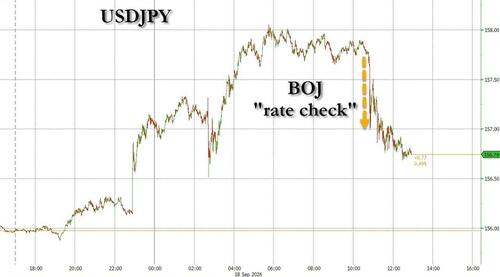
BOJ Rate Decision Takes Center Stage
The Bank of Japan's scheduled policy meeting, with its rate decision set to be unveiled on Friday, has become a focal point for institutional analysts and currency traders alike. Vincent Reinhart, who holds the position of Chief Economist at BNY Investments, lent his analytical voice to the discussion during an appearance on Bloomberg's "The Close," a program that regularly brings senior economists into a structured conversation about upcoming macroeconomic events.
Reinhart's remarks came at a moment when the market is closely watching how the BOJ's leadership will navigate the tension between maintaining accommodative policy and responding to the broad macroeconomic backdrop. His commentary provides a useful institutional lens through which forex participants can gauge the likelihood and magnitude of any policy adjustment from Japan's central bank.
Fed Tightening and the Broader Policy Landscape
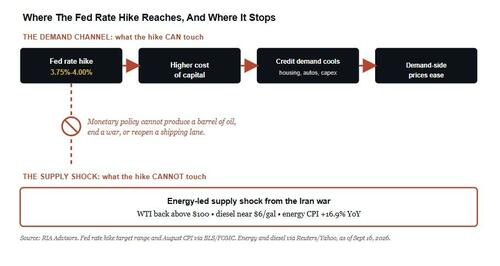
The interview, conducted by Bloomberg's Romaine Bostick, did not limit itself to a single central bank. The conversation also addressed the Federal Reserve's rate-hike outlook, positioning the BOJ decision within the wider picture of global monetary policy divergence. By examining both the Fed's tightening path and the BOJ's more measured approach side by side, the discussion helps analysts frame the relative policy stances that continue to underpin major currency-pair dynamics.
From an analytic standpoint, the juxtaposition of a Fed in a hiking cycle against a BOJ that has historically moved cautiously offers a rich context for assessing cross-currency flows, carry-trade positioning, and the directional pressure on yen-denominated instruments. Reinhart's role as BNY's top economist means his reading of both central banks carries weight for the institution's client base and for the broader fixed-income and FX community.
What Market Participants Should Monitor
As Friday's BOJ announcement draws nearer, the key analytical questions revolve around the size and timing of any rate adjustment, the clarity of forward guidance, and the signal the decision sends about the central bank's longer-term trajectory. Combined with the Fed's own policy calendar, these two data points form the backbone of the global interest-rate differential that drives much of the current forex landscape.
Reinhart's Bloomberg interview, while brief in its public summary, underscores the level of institutional attention the BOJ vote is attracting and highlights the analytical frameworks that large asset managers are applying ahead of the decision. For traders and analysts tracking the intersection of Fed policy and Japanese monetary strategy, the coming days promise to be a period of heightened sensitivity to any shift in guidance from either central bank.