A Threshold That Matters
Global fixed-income markets are under renewed pressure as a widespread selloff lifts the 10-year US Treasury yield to the doorstep of 5%. The move marks a significant psychological and technical level for the benchmark bond, one that has drawn sustained attention from institutional investors, central-bank desks, and currency traders alike. Bond bears have been the dominant force in recent sessions, systematically bidding down prices and driving yields higher across the curve.
For the forex community, the proximity of the 10-year to 5% is not merely a chart milestone. It signals that the market is pricing in a persistent, higher-for-longer interest-rate environment in the United States, a dynamic that historically strengthens the dollar and pressures carry-trade positions. The speed and breadth of this selloff — spanning not just US Treasuries but global sovereign debt — suggest that the repricing is being driven by macro fundamentals rather than idiosyncratic supply events.
Inflation Data as the Immediate Catalyst
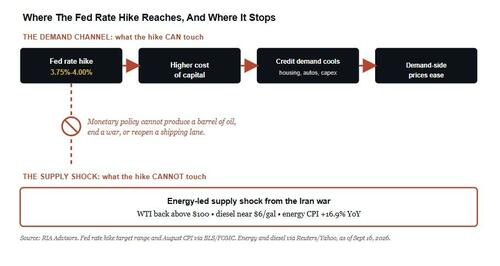
The next major catalyst sitting directly in the path of this yield trajectory is the upcoming US inflation report. Market participants view this print as the single most important data point in determining whether the Federal Reserve will deliver the interest-rate hike widely anticipated for the following week. A hotter-than-expected reading would likely confirm hawkish positioning, accelerate the bond selloff, and push the 10-year firmly past the 5% mark. Conversely, a softer print could offer a brief reprieve, though analysts caution that the broader trajectory of yields has already embedded substantial rate-hike expectations.
From an analytical standpoint, the key question for currency traders is not simply whether the Fed hikes, but whether the inflation data forces a re-evaluation of the magnitude and duration of the tightening cycle. A single data point rarely reverses a multi-month trend in yields; rather, it either validates or challenges the prevailing narrative. The current positioning — with bond bears in control and the 10-year hovering at 5% — indicates that the consensus view leans toward sustained pressure on fixed-income prices.
What Traders Should Watch
Several secondary effects of this yield environment deserve close monitoring:
- Dollar strength: A 5% 10-year yield widens the rate differential versus the euro, yen, and most emerging-market currencies, adding structural support to the greenback.
- Equity risk appetite: Higher discount rates compress valuation multiples, and the bond selloff often coincides with risk-off episodes in equities, which can spill over into correlated forex flows.
- Credit spreads: If the selloff broadens beyond sovereign Treasuries into agency and corporate paper, liquidity conditions in the bond market could tighten, increasing volatility across asset classes including currencies.
The bottom line for market participants is that the 10-year Treasury yield at the 5% threshold is not an endpoint but a stress-test level. The inflation report next week will either confirm that the market's hawkish pricing is justified or open a window for a tactical pullback. Until that data lands, the path of least resistance for bond yields — and, by extension, for the dollar — remains upward.