Broad-Based Weakness Across Cotton Contracts
Cotton futures continued their downward trajectory into Friday trading, with the front-month contracts in the ICE market losing between 115 and 120 points. The October 2026 contract settled near 77.22 cents per pound, marking a drop of 119 points, while the December 2026 contract slipped 115 points to 81.02 cents. The March 2027 contract, typically the benchmark for the following season, fell 118 points to close at 83.63 cents per pound.
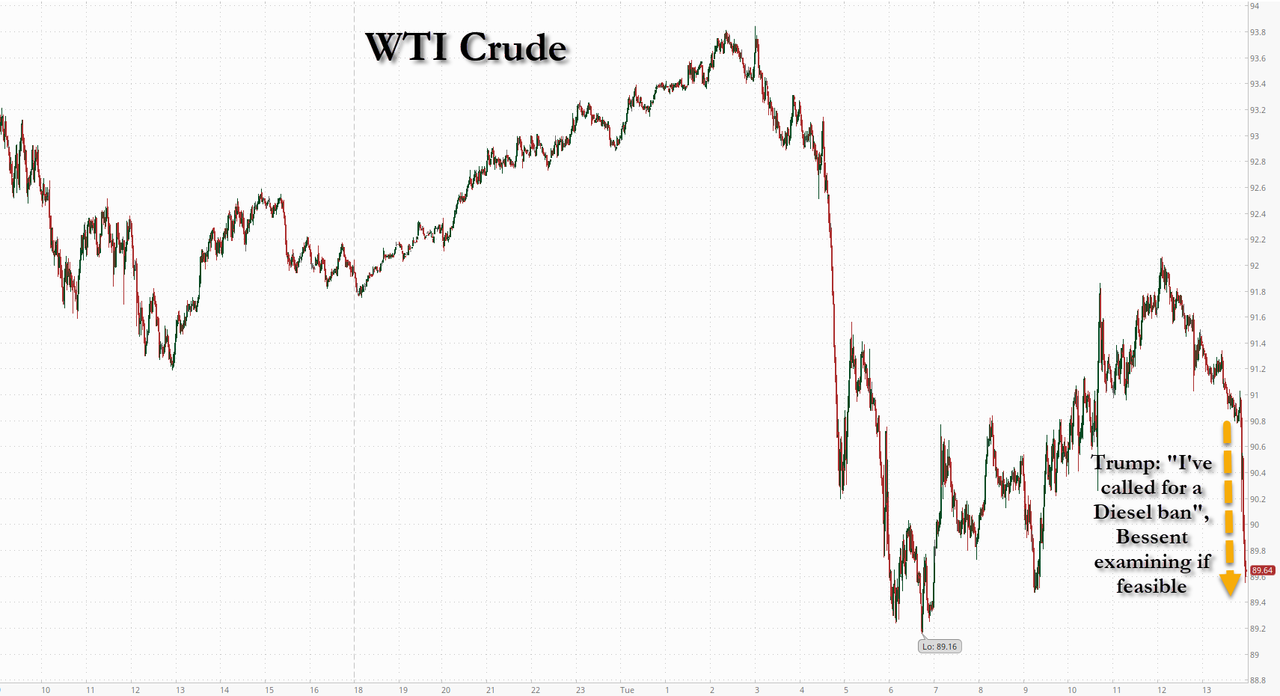
The broader macro backdrop offered little support for the fiber. Crude oil prices retreated by $1.20 per barrel during the session, and the U.S. Dollar Index edged lower by 0.05 points, factors that generally weigh on commodity sentiment.
Benchmark Indices and Inventory Data
Key industry indicators reinforced the bearish tone. The Cotlook A index, a widely tracked measure of global cotton demand, dropped 25 points on September 17 to settle at 94.35. Meanwhile, the Adjusted World Price, which reflects the cost of imported cotton for China, slipped 59 points on Thursday to 68.92 cents per pound.
On the supply side, ICE certified cotton stocks held steady at 36,617 bales as of September 17, indicating no significant build or draw in the exchange's physical inventory during that period.
Export Commitments: Above Benchmark but Below Seasonal Norm
The U.S. Department of Agriculture's weekly export sales report revealed that cotton export commitments through September 10 stood at 4.5 million running bales. That figure places current sales 13 percent ahead of the five-year average for the same calendar window. However, the pace represents only 39 percent of the USDA's full-season export forecast, which trails the 48 percent average seasonal completion rate at this point in the marketing year. The gap between the current run rate and the typical seasonal pace underscores a moderate slowdown in international buying activity relative to recent history.
All data points as reported by Barchart on September 18, 2026.