Market Overview
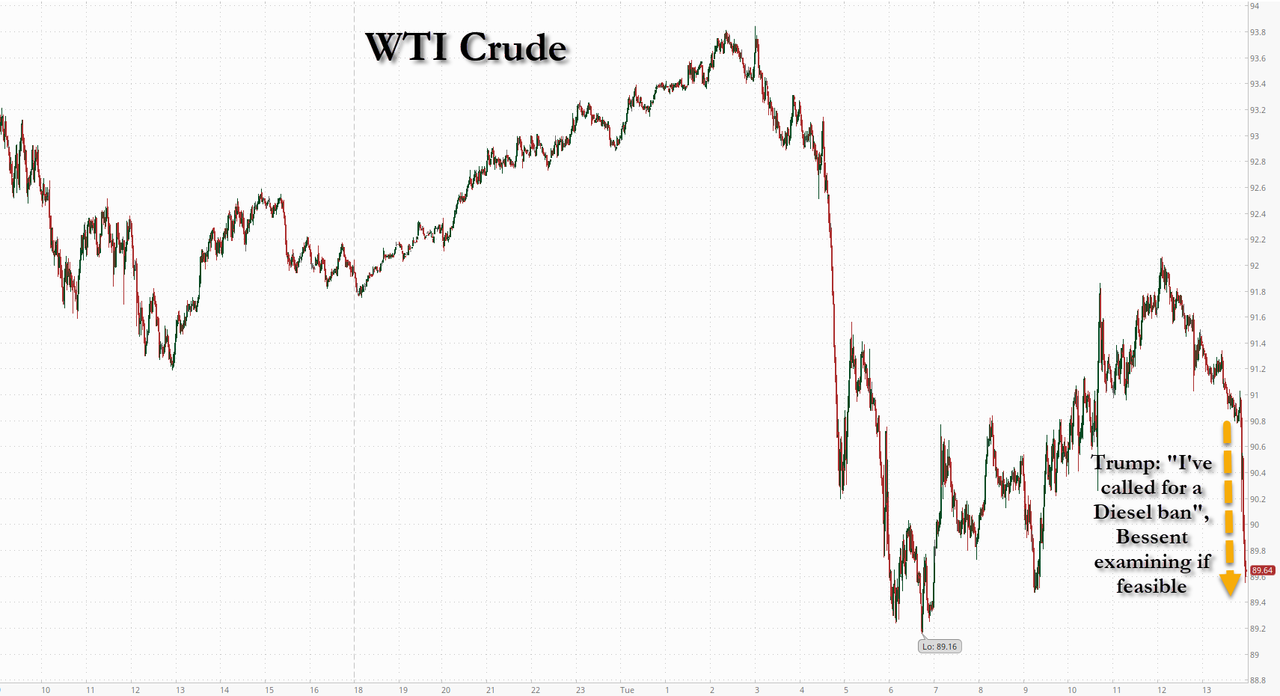
On Thursday, August 6 2026, cotton futures experienced a modest uptick across all maturities. The market closed higher by 12 to 24 points, reflecting a slight rebound after a period of subdued activity. Meanwhile, crude oil prices were up $3.01 per barrel and the U.S. dollar index increased by $0.269, indicating a broader backdrop of commodity strength.
Export Sales Data
The latest export sales report highlighted a net cancellation of 55,855 RB (rough bales) of 2025/26 cotton during the week of July 30, which marked the lowest cancellation figure for the marketing year ending July 31. In contrast, new‑crop business volumes reached 242,052 RB that same week— the third‑largest figure for the marketing year. The data underscored a sharp drop in sales activity, but also pointed to a shift in demand towards specific markets.
Key Buyers and Shipments
- Vietnam emerged as the largest purchaser, taking 132,400 RB of the new‑crop shipment.
- Turkey was the second‑largest buyer with 41,600 RB.
- Total shipments for the week were 222,830 RB, of which Vietnam received 88,900 RB, Pakistan 35,500 RB, and Turkey 19,500 MT.
Market Activity and Indices
The Seam reported 2,277 bales sold on the August 5 sale at an average price of 80.64 cents per pound. On the same day, the Cotlook A Index fell by 70 points to 93.00 cents. Certified cotton stocks at ICE remained unchanged, standing at 84,632 bales on Wednesday.
The Adjusted World Price was nudged up by 163 points on Thursday, reaching 66.29 cents per pound, signaling a modest lift in global pricing sentiment.
Futures Close
- Oct 26 contract closed at 81.96 cents, up 12 points.
- Dec 26 contract closed at 83.16 cents, up 14 points.
- Mar 27 contract closed at 84.89 cents, up 18 points.
These incremental gains across the near‑term and longer‑term contracts reflect a cautious optimism among traders amid the recent export dip.
Outlook
While the export cancellation suggests a potential shortfall in supply, the strong purchase commitments from Vietnam and Turkey, coupled with steady ICE-certified stocks, may support price stability in the coming weeks. Traders should monitor upcoming market year data releases and global demand trends, particularly from emerging economies, to gauge whether the current modest gains will persist or reverse.
The views expressed are those of the author and do not necessarily reflect those of Nasdaq, Inc.