Cotton Futures Post Broad-Based Monday Losses
US cotton futures closed lower across the board on Monday, September 14, 2026, with the near-month contract losing the most ground among the tracked months. The October 2026 contract finished at 80.64 cents per pound, giving up 174 points. The December 2026 contract ended at 84.55 cents, down 151 points, while the March 2027 contract settled at 87.12 cents per pound, shedding 144 points. The range of losses across the curve spanned from 23 to 174 points depending on the contract month.
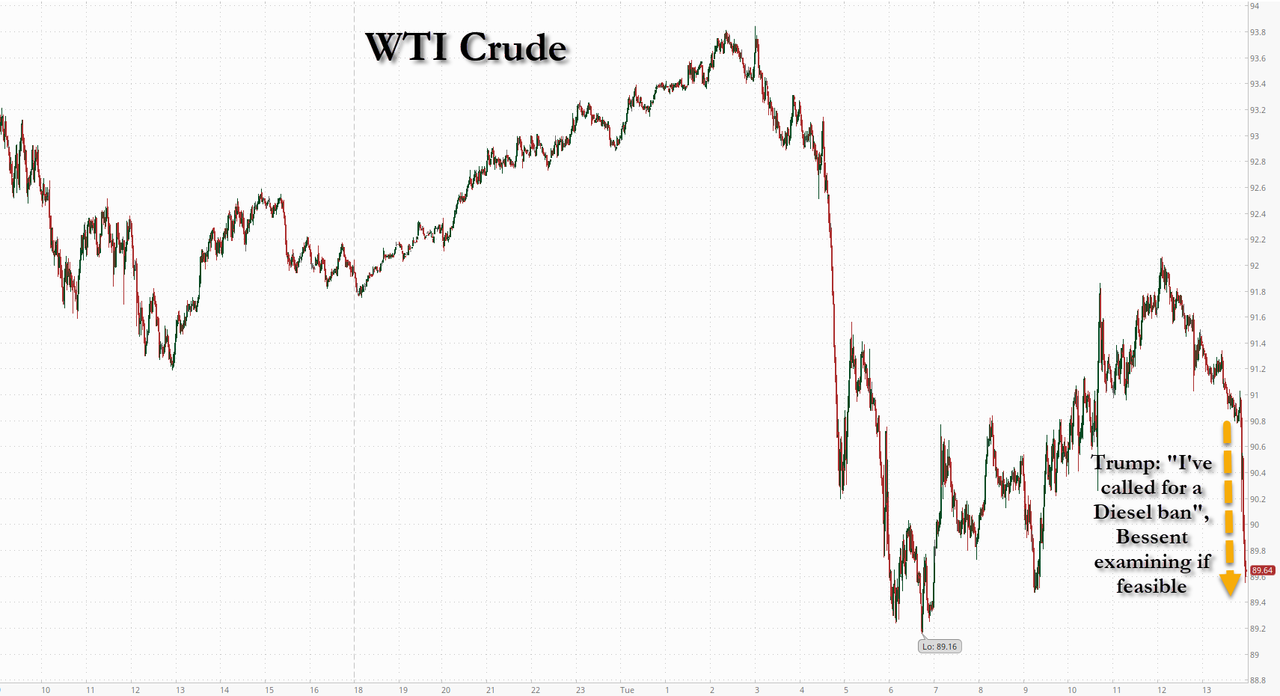
Two macro headwinds were evident in the session. Crude oil rallied by $1.84 per barrel, a move that can tighten input cost expectations for agricultural producers but also signals risk-off positioning in some commodity baskets. More directly relevant to cotton, the US Dollar Index climbed 0.609 points, making dollar-denominated cotton less attractive to international buyers and applying a familiar upward pressure on the currency headwind that softs traders monitor closely.
Crop Progress and Condition Data Paint a Steady Picture
The USDA's Weekly Crop Progress report, released Sunday, indicated that 57 percent of the US cotton crop had bolls opening, while 8 percent had already been harvested. Condition ratings came in at 36 percent good to excellent, a two-percentage-point improvement over the prior week. On the negative side, poor and very poor ratings ticked up by 2 percent, keeping the Brugler500 index — a composite measure of crop quality — unchanged at 298.
For analysts tracking the supply side, the data suggests the crop remains largely on track without any dramatic deterioration that would spark a short-covering rally. The modest improvement in quality ratings, offset by a slight uptick in poor-category shares, points to a market that is digesting a fairly normal harvest window rather than reacting to a weather-driven supply shock.
Exchange Stocks and Global Price Benchmarks
On the logistics front, ICE certified cotton stocks fell by 3,164 bales as of September 11, bringing the total to 38,462 bales. A declining certified stock level can signal either tighter near-term availability or reduced export demand, depending on the broader trade-flow context.
The Cotlook A index, a widely referenced benchmark for global cotton demand, rose 100 points on Friday to 98.20, hinting that international buying interest has not fully dried up even as domestic US prices softened. Meanwhile, the Adjusted World Price retreated by 441 points over the prior week to 69.51 cents per pound, underscoring that the softness is not confined to a single exchange or region.
Taken together, Monday's session reflects a cotton market caught between a steady domestic crop, a supportive dollar, and a global price landscape that is drifting lower. Traders watching the softs complex will likely focus on whether certified stock draws accelerate and whether the Cotlook index can sustain its recent gain as a counterweight to the dollar's firmness.