Understanding Pair Rotation
Pair rotation is the systematic shift of capital from one group of currency pairs to another as market participants reallocate exposure based on changing macro and technical dynamics. Rather than focusing on isolated trades, the strategy views the forex market as a set of sectors—such as commodity‑linked, safe‑haven, and carry‑trade clusters—that rotate in response to risk sentiment, interest‑rate differentials, and global economic cycles. Recognizing these sector‑wide movements allows traders to capture larger, more predictable trends while reducing the noise associated with single‑pair analysis.
Key Signals for Detecting Rotation
Identifying a rotation requires a combination of macro, technical, and statistical indicators. The most reliable signals include:
- Relative Strength Index (RSI) Divergence Across Sectors – When the RSI of one sector reaches overbought levels while another sector’s RSI remains neutral or oversold, capital often flows toward the weaker sector.
- Sector‑Level Moving Average Crossovers – Applying a 50‑period moving average to the average price of all pairs within a sector can reveal a sector‑wide trend. A crossover of this sector average with a longer‑term average (e.g., 200‑period) signals a potential rotation.
- Interest‑Rate Differential Shifts – Sudden changes in central‑bank policy expectations alter the attractiveness of carry‑trade sectors. Monitoring forward‑rate agreements and implied interest differentials highlights emerging opportunities.
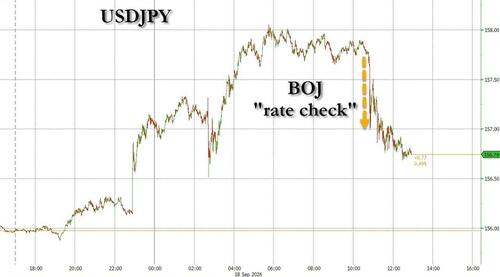
- Risk Sentiment Indicators – Metrics such as the VIX, global equity volatility, or a composite risk‑on/risk‑off index often precede sector rotations. A rise in risk‑off sentiment typically boosts safe‑haven pairs (e.g., USD/JPY, EUR/CHF) while weakening commodity‑linked pairs.
- Correlation Heatmaps – A rapid change in correlation patterns among pairs within a sector can indicate that traders are reallocating positions. A drop in intra‑sector correlation often signals the start of a rotation.
Implementing a Rotation Framework
A disciplined rotation framework consists of three core steps: sector selection, pair allocation, and timing execution.
- Sector Selection
- Define the primary sectors you will monitor (e.g., commodity, safe‑haven, carry, emerging‑market).
- Calculate a sector index by averaging the price of the top three most liquid pairs in each sector.
- Use the signals above to rank sectors from strongest to weakest on a daily basis.
- Pair Allocation
- Allocate a fixed percentage of capital (e.g., 60%) to the top‑ranked sector and distribute the remainder among the next two sectors to maintain diversification.
- Within the chosen sector, select pairs that exhibit the most favorable risk‑reward profile based on entry price, stop‑loss distance, and projected move.
- Apply position‑sizing rules such as the Kelly criterion or a fixed‑fraction method to keep exposure consistent.
- Timing Execution
- Enter trades when the sector index confirms a crossover (e.g., 50‑MA crossing above 200‑MA) and the individual pair’s RSI is below 70.
- Use a staggered entry approach: place an initial order at the crossover point and add to the position if the price moves a predefined distance in the intended direction.
- Set exit rules based on either a reverse crossover, a target profit equal to twice the stop‑loss distance, or a sector‑wide signal indicating a shift to another sector.
Risk Management and Performance Review
Even a well‑designed rotation strategy can suffer from unexpected volatility. Effective risk management includes:
- Maximum Drawdown Limit – Halt the rotation system if portfolio drawdown exceeds a predetermined threshold (e.g., 15%).
- Sector Exposure Cap – Prevent over‑concentration by capping any single sector’s allocation (e.g., no more than 70% of total capital).
- Stop‑Loss Discipline – Place stop‑loss orders at logical technical levels (e.g., recent swing lows) and avoid moving them farther away as the trade progresses.
- Periodic Review – Conduct a monthly performance review to assess sector ranking accuracy, signal reliability, and overall profitability. Adjust the weighting of signals or the composition of sectors based on empirical results.
By adhering to a systematic approach, traders can transform sector rotations from a speculative observation into a repeatable, data‑driven process that enhances consistency and reduces emotional decision‑making.
This article provides a timeless framework for currency pair rotation. Adaptation to individual risk tolerance and market conditions is essential for optimal results.