Gold's Third Consecutive Weekly Slide
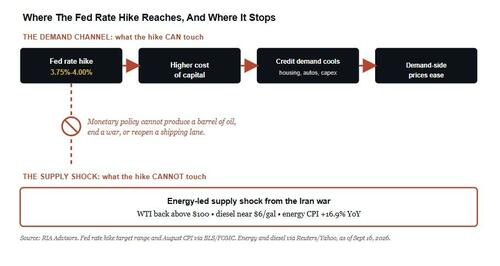
The precious metal is tracking toward a third back-to-back weekly loss, a pattern that underscores how quickly momentum can shift against gold when macroeconomic winds turn hawkish. After two prior sessions of weakness, the latest move cements a short-term downtrend that many precious-metals traders had been watching for signs of reversal. The key driver behind the renewed selling pressure is not a single event but the convergence of two macro signals—energy-market inflation and a hardening US inflation print—that together have sharpened the probability of a Federal Reserve rate increase at its scheduled meeting next week.
For traders holding long gold positions, the risk here is not merely a one-off drop but the compounding effect of three losing weeks in a row, which can trigger stop-loss cascades and force a repricing of fair value across the broader precious-metals complex. The analytical takeaway is that gold's typical role as a haven asset is being temporarily overridden by the opportunity-cost channel: when the Fed is expected to lift rates, the yield on dollar-denominated alternatives rises, and the appeal of a non-yielding metal diminishes.
Oil Prices and the Inflation Signal
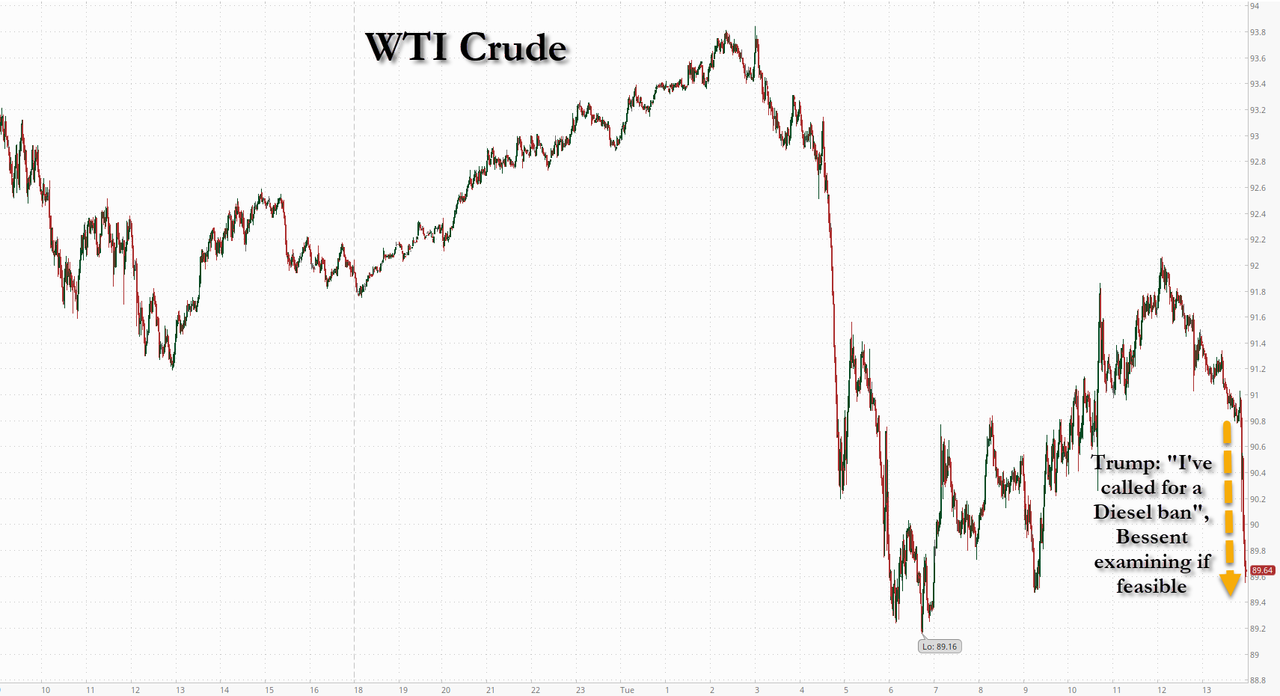
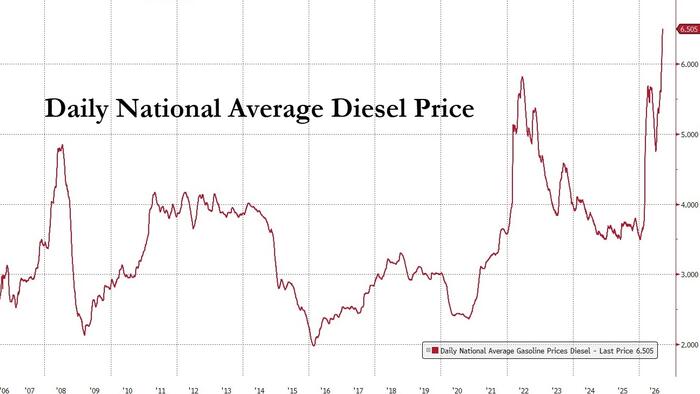
Two reinforcing data streams have amplified the rate-hike narrative. First, crude oil prices have surged, adding a direct input-cost pressure that feeds through into broader consumer and producer price indices. Higher energy costs are a well-documented contributor to headline inflation, and their recent acceleration has given policymakers an additional reason to act rather than wait.
Second, the most recent US inflation report landed in a way that strengthened the case for tightening. While the exact magnitude of the print is the Fed's own benchmark for policy calibration, the market's reaction was unambiguous: traders repriced the probability of a rate hike upward, and that repricing flowed directly into lower gold prices. The linkage is straightforward—each incremental rise in expected real yields makes holding physical or paper gold relatively more expensive in opportunity-cost terms.
From an analytic standpoint, the oil-inflation channel matters because it is self-reinforcing. If energy prices remain elevated into the next reporting cycle, the Fed's mandate pressure to act becomes harder to ignore, and the market's pricing of a hike could firm further. For gold, that means the bearish bias could extend beyond the current weekly close unless a clear counter-signal emerges.
What Traders Should Watch
With the Federal Reserve's decision meeting only days away, the coming week represents a binary risk event for precious-metals positions. Traders should monitor three variables closely: the final wording of the Fed's policy statement and any forward guidance that signals whether one hike is the terminal move or the first of a series; the trajectory of crude oil prices in the immediate run-up to the meeting, since a further spike would tighten the case for inaction; and any pre-announcement data revisions or commentary from Fed officials that could shift the probability distribution around the expected rate move.
The broader lesson from this stretch of gold weakness is that in a rising-rate environment, even the strongest long-term structural bid for the metal can be overwhelmed by short-term carry considerations. Position sizing, stop placement, and a clear exit plan around the Fed's decision date are therefore not optional—they are the difference between a manageable drawdown and a margin call.