Gold Slides Under $4,300 Amid Renewed Inflation Pressure
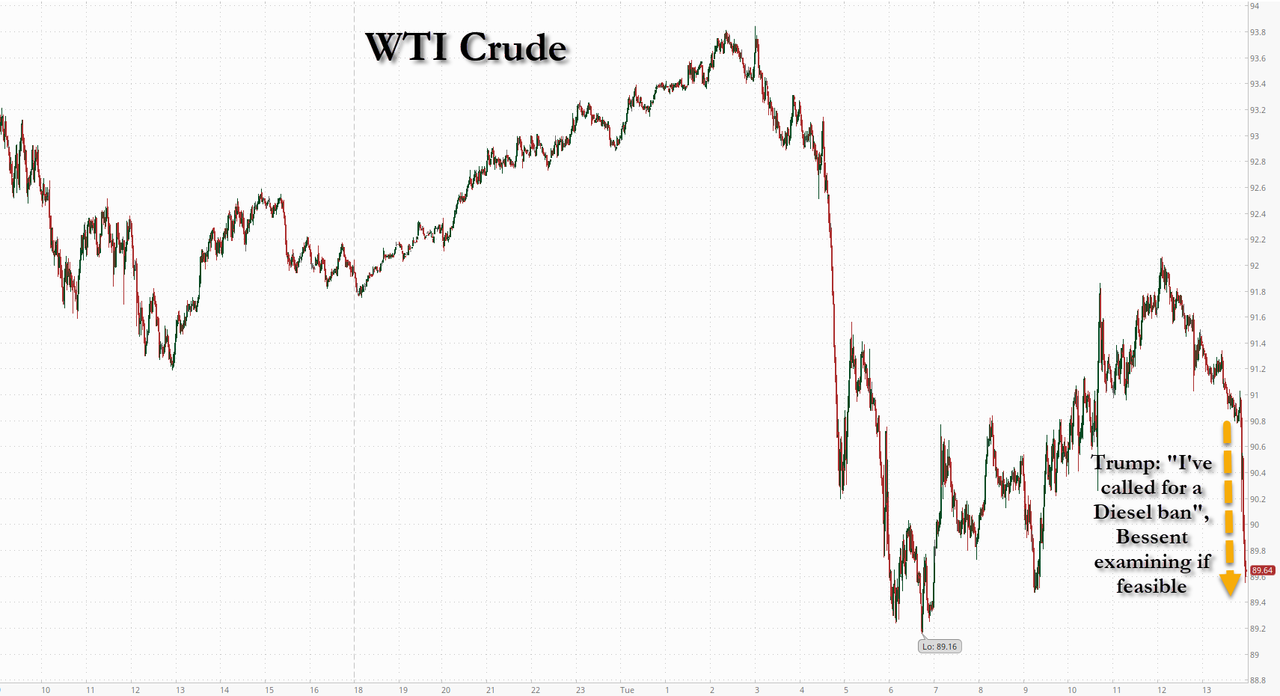
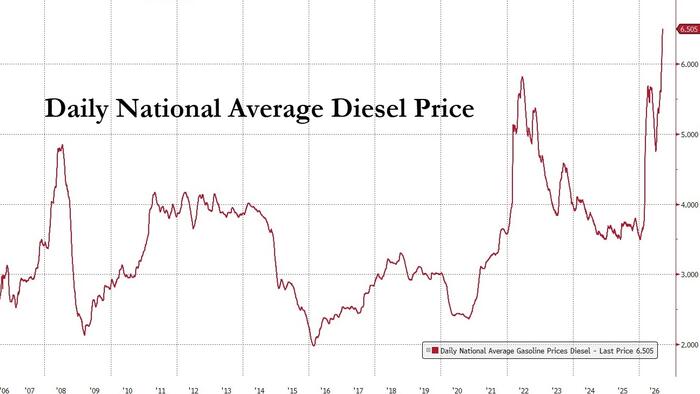
The precious metal found itself trading below the $4,300-per-ounce threshold, extending a period of downward pressure that has kept bulls on the back foot. The immediate catalyst was a fresh uptick in oil prices, which re-energized inflation-related worries across global markets and, in turn, fed into another overnight rise in bond yields. For gold, which carries no coupon or interest income, that yield climb represents a direct headwind as the opportunity cost of holding the metal ticks higher.
The Oil-to-Yield Transmission Channel
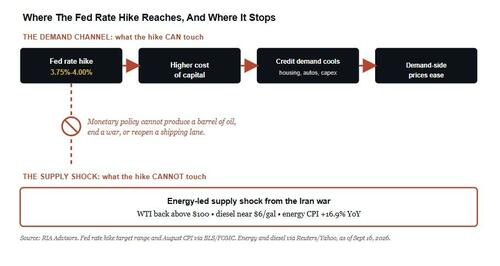
From an analytical standpoint, the sequence at work here is a well-trodden macro pathway. When crude oil prices accelerate, input costs ripple through the broader economy, pushing up the inflation expectations that central banks and bond markets price in. Investors respond by demanding higher yields on government debt to compensate for the anticipated erosion of purchasing power. Those rising yields, in turn, make fixed-income assets more competitive relative to gold, pulling capital out of the metal and into bonds.
The source material confirms that this exact chain played out overnight: oil's move upward was the trigger, inflation fears were the intermediate link, and the resulting bond-yield increase was the force that dragged gold below the $4,300 level. No single factor acted in isolation; the three variables moved in a coordinated sequence that amplified the pressure on the metal.
Analytical Takeaways for Traders
A few observations are worth noting for traders monitoring this setup:
Correlation watch: The tight coupling between oil and gold in this episode underscores that gold is not immune to commodity-driven inflation shocks. Positions sized on the assumption that gold is a pure inflation hedge may be exposed to the opposite effect when yields react more aggressively than the metal.
Yield sensitivity: Because gold's real return is anchored to the level of real yields, any further overnight or intraday jump in bond yields—driven by additional oil strength or hawkish repricing—could push the metal meaningfully lower from its current sub-$4,300 range.
Catalyst dependency: The source attributes the move specifically to oil and the resulting yield response. Traders should therefore treat crude-oil price action as a leading indicator for gold's near-term direction in this regime, watching for follow-through or a reversal in the oil trend as a signal for the metal.
In summary, the latest session reinforced a familiar but still consequential dynamic: when oil-driven inflation fears lift bond yields, gold's bid tends to weaken. With the metal already trading below $4,300, the combination of elevated energy prices and rising yields creates a near-term environment that remains challenging for long positions until the inflation–yield complex stabilizes.