1. June Consumer Spending Falls Sharply
The Ministry of Internal Affairs and Communications released figures on Friday that showed Japanese household consumption contracted for the seventh consecutive month. On a seasonally adjusted basis, spending fell 6.4% from the previous month, a decline that far exceeded the market’s median expectation of a 3.1% drop. Year‑on‑year, the data indicated a 3.3% decline, in stark contrast to the 1% rise that analysts had forecast.
The magnitude of the contraction suggests that the lingering effects of inflationary pressure continue to restrain consumer activity, even as other economic indicators point to gradual improvement.
2. Rising Real Wages vs. Cautious Consumers
In a parallel release, the Ministry of Labour reported that real wages grew 1.6% year‑on‑year in June, marking the sixth month in a row of pay increases. This divergence—higher purchasing power paired with reduced spending—signals that Japanese households remain wary of committing to larger expenditures.
The phenomenon has persisted throughout the year, with wage gains failing to translate into robust consumption. While state‑run subsidies have eased utility costs for households this year, and inflation‑adjusted wages have risen on a month‑to‑month basis, the data reveal a cautious consumer mindset. Confidence indices for June improved relative to the previous month but still lagged significantly behind both 10‑year and 20‑year averages.
3. Impact on the Bank of Japan’s Policy Outlook
The sharp decline in household spending will be a key data point for the Bank of Japan (BOJ) as it prepares for its next policy meeting in September. A sharper‑than‑expected pullback complicates the case for an early rate increase, even as rising wages have been cited by some policymakers as evidence that Japan is moving away from deflationary dynamics.
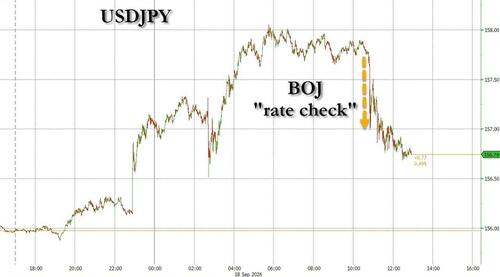
The mixed signals—stronger pay but weaker demand—create a less clear‑cut picture for the central bank. If markets interpret the data as a sign that the BOJ’s timeline for tightening may be pushed back, yen sentiment could soften in the short term, especially amid already heightened global rate uncertainty.
Japanese equities that are sensitive to domestic consumption may experience additional pressure, while exporters could benefit from a weaker yen. The BOJ will weigh these consumption figures alongside wage growth and inflation trends when deciding whether to adjust its monetary stance.
4. Broader Economic Implications
The continued contraction in consumer spending casts doubt on the prospects for a broader domestic‑demand‑led recovery in Japan’s economy. State‑aid programmes have helped reduce utility costs for households, and real wages have risen, yet these measures have not fully offset consumer caution.
With consumer confidence still below long‑term averages, households appear reluctant to increase spending despite improved economic fundamentals. This cautious stance may limit the effectiveness of fiscal measures aimed at stimulating demand.
In summary, the June data underscore a persistent divide between rising wages and falling consumption, presenting a challenge for the BOJ’s forthcoming policy decisions and for market participants assessing Japan’s economic trajectory.