AI Infrastructure as an Inflationary Force
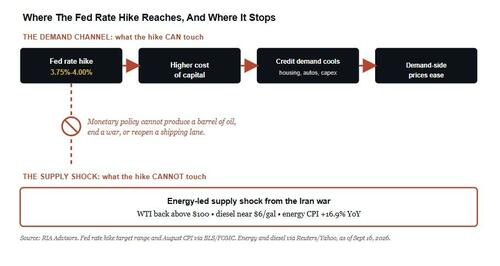
JPM Asset Management's Global Market Strategist Stephanie Aliaga has weighed in on the inflation outlook following the latest rate increase by Fed Chair Warsh. While acknowledging that energy prices — particularly oil — remain a well-understood and persistent driver of inflation across the business cycle, Aliaga points to a more recent structural factor: the massive capital expenditure underpinning the artificial intelligence buildout. In her view, the wave of data-center construction, chip procurement, and power-grid upgrades required to support AI deployment is now contributing meaningfully to price pressures, an effect that traditional inflation models may understate.
Adoption, Productivity, and the Productivity Channel
Aliaga goes a step further in her analysis, suggesting that a measured deceleration in the pace of AI frontier development could paradoxically serve the broader economy. By allowing more time for enterprises to integrate and adopt existing AI capabilities, a slower buildout may ultimately translate into higher productivity gains. In other words, the rush to build may be creating short-term inflationary drag without delivering the long-run output benefits that would offset it. She frames this as a case for letting the frontier slow so that adoption can catch up, thereby unlocking the productivity dividend that justifies the investment.
Analytical Takeaway for Traders
For market participants, the commentary underscores a dual risk: the Fed may need to maintain a tighter policy stance longer than energy-focused models would suggest, while simultaneously the AI capex cycle acts as an inflation multiplier that could keep services and input costs elevated. Traders should factor in the possibility that rate-hike cycles extend beyond what oil-price dashboards alone would predict, and that the AI investment supercycle is a first-order variable in the inflation equation going forward. The interplay between Warsh's tightening path and the structural AI spend wave warrants a recalibration of duration and rate-sensitivity assumptions in fixed-income and FX portfolios.