KLCI Pressure and the Path to Monday
The Malaysian equity market has endured a gruelling stretch, closing lower for a fourth straight session and giving back roughly 30 points, or about 2 percent, over that period. The Kuala Lumpur Composite Index (KLCI) now hovers just above the 1,685-point level, a psychological zone that market watchers will be watching closely as the next trading day begins.
Friday's session proved particularly punishing. The index lost 18.78 points, a 1.10 percent decline, to settle at 1,686.74 after oscillating between a low of 1,682.56 and a high of 1,705.69. Sectors that dragged the broader market lower included financial names, plantation equities, utilities, and health-services stocks, suggesting broad-based selling rather than a single-sector issue.
Wall Street's Friday Bounce and Weekly Context
On the other side of the Pacific, U.S. equities staged a decisive recovery on Friday. All three major indices opened higher and held those gains through the close. The Dow Jones Industrial Average added 509.19 points, or 0.98 percent, to finish at 52,573.29. The NASDAQ Composite climbed 251.31 points, a 0.96 percent gain, to close at 26,333.04, while the S&P 500 rose 65.28 points, or 0.86 percent, to end the day at 7,656.98.
That intraday strength, however, masks a weaker holiday-shortened week. For the period, the Dow was down 1.6 percent, the S&P 500 shed 0.8 percent, and the NASDAQ fell 0.7 percent. The Friday rally therefore represents a partial repair rather than a full reversal of the week's losses.
Crude Oil, Geopolitics, and the Asian Outlook
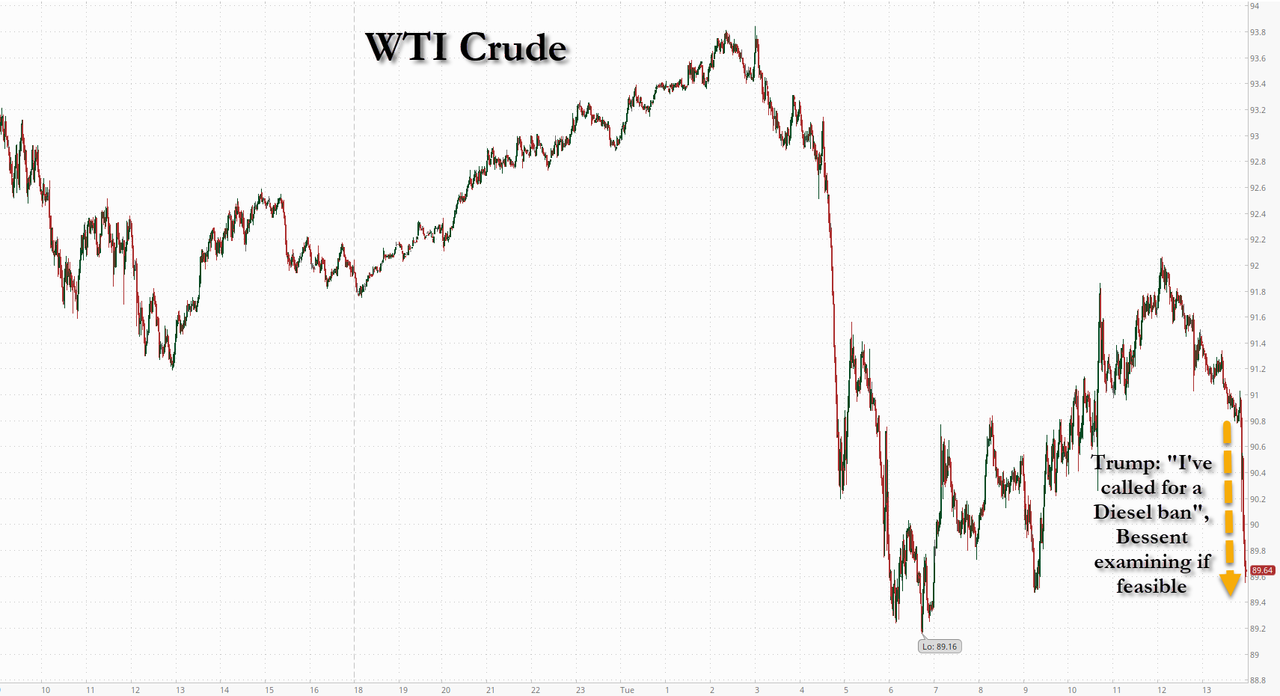
A key driver behind Friday's risk-on tone was a sharp retreat in oil prices after several days of steep gains. Traders are pricing in the possibility that the Strait of Hormuz could reopen, following reports of a potential meeting between Iran and Gulf Cooperation Council members aimed at defusing the ongoing gulf crisis. West Texas Intermediate crude for October delivery dropped $2.63, or 2.57 percent, to $99.85 per barrel.
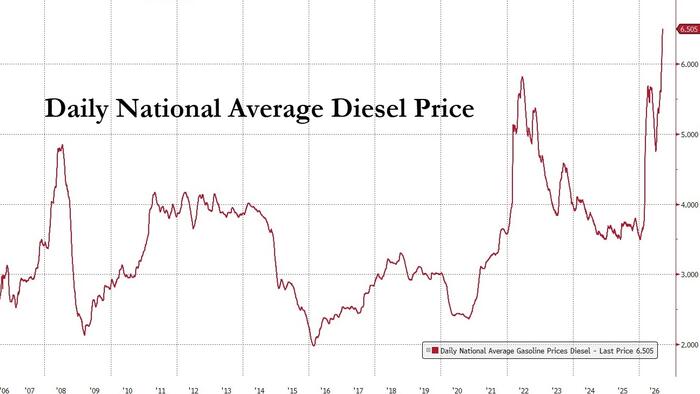
Analysts point to two forces underpinning the expected positive open for Asian bourses on Monday: the moderating oil cost, which eases inflationary pressure on import-dependent economies, and the natural pull of bargain hunting after the recent equity sell-off. European markets also closed higher, reinforcing the cross-regional risk appetite.
Inflation Data and Federal Reserve Expectations
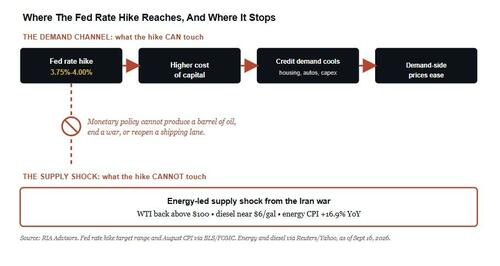
U.S. market participants largely discounted the Labor Department's August consumer price inflation report, which came in line with consensus forecasts. The data reinforced the prevailing expectation that the Federal Reserve will deliver a 25-basis-point rate hike at this week's policy meeting. Because that move is already deeply embedded in pricing, the report produced only a modest reaction.
For traders monitoring the KLCI, the combination of a softer oil complex, a stabilised U.S. equity backdrop, and a Fed action that is now largely a foregone conclusion creates a constructive environment for Monday's session. The critical question is whether the 1,685 area can hold as a floor or whether the four-day slide extends before a sustained recovery takes hold.