Three-Day Slide in Crude Prices
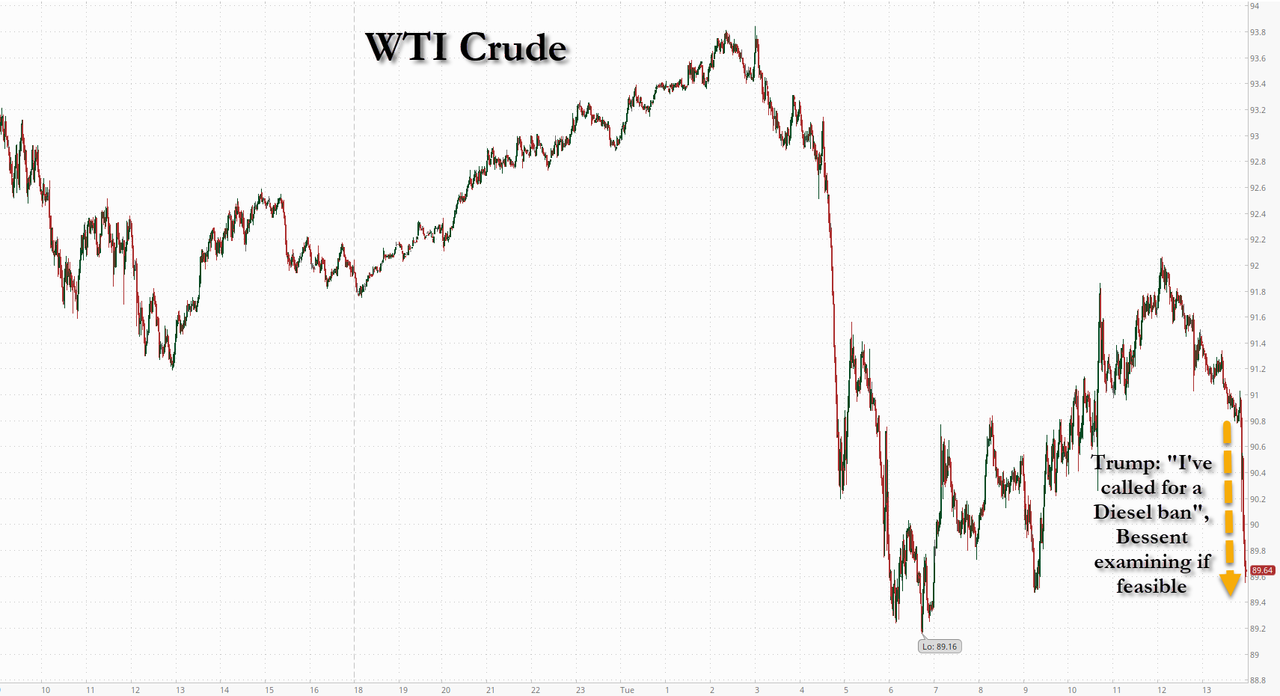
The global oil market continued to soften on September 18, with crude prices posting a third consecutive daily decline. The sustained downward move reflects a shift in market sentiment away from the supply-shock premium that had underpinned recent trading sessions. Rather than pricing in further disruption to global barrels, traders have begun to fade the risk premium that had been building in the weeks leading up to the current diplomatic window.
The third-day drop is notable in that it signals a broadening of the sell-off beyond a single-session reaction. When a commodity rallies for multiple sessions in one direction, it typically indicates that institutional positioning is being unwound and that the market has moved from a fear-driven bid to a more measured assessment of fundamentals.
Supply Concerns Ease, Diplomacy in Focus
The primary catalyst behind the latest leg lower was the gradual easing of supply-side anxieties. Earlier in the cycle, the prospect of physical barrels being pulled from the market had driven prices higher as traders priced in a tighter balance. That narrative has lost traction, and the market has responded by trimming the scarcity premium embedded in futures contracts.
With the supply story losing steam, attention has rotated to the geopolitical front. Traders are now fixated on the next round of diplomatic engagement that will shape the trajectory of the US-Iran conflict. The outcome of those talks carries direct implications for energy flows, shipping routes, and the broader risk appetite in commodity markets. A de-escalation would likely keep pressure on prices, while a renewed standoff could quickly reverse the three-day slide.
Analytical Takeaway for Traders
From an analytical standpoint, the current setup places oil in a transitional phase. The market is no longer in outright risk mode but has not yet settled into a calm, fundamentals-driven regime. The key variable to monitor is the pace and tone of US-Iran diplomacy. Until that channel produces a clear signal, expect elevated intraday volatility and a market that reacts sharply to headlines. Position sizing and risk management become especially important in this window, where a single diplomatic development can erase or amplify a multi-day trend.