Oil Markets React to Iran’s Draft Strait of Hormuz Plan
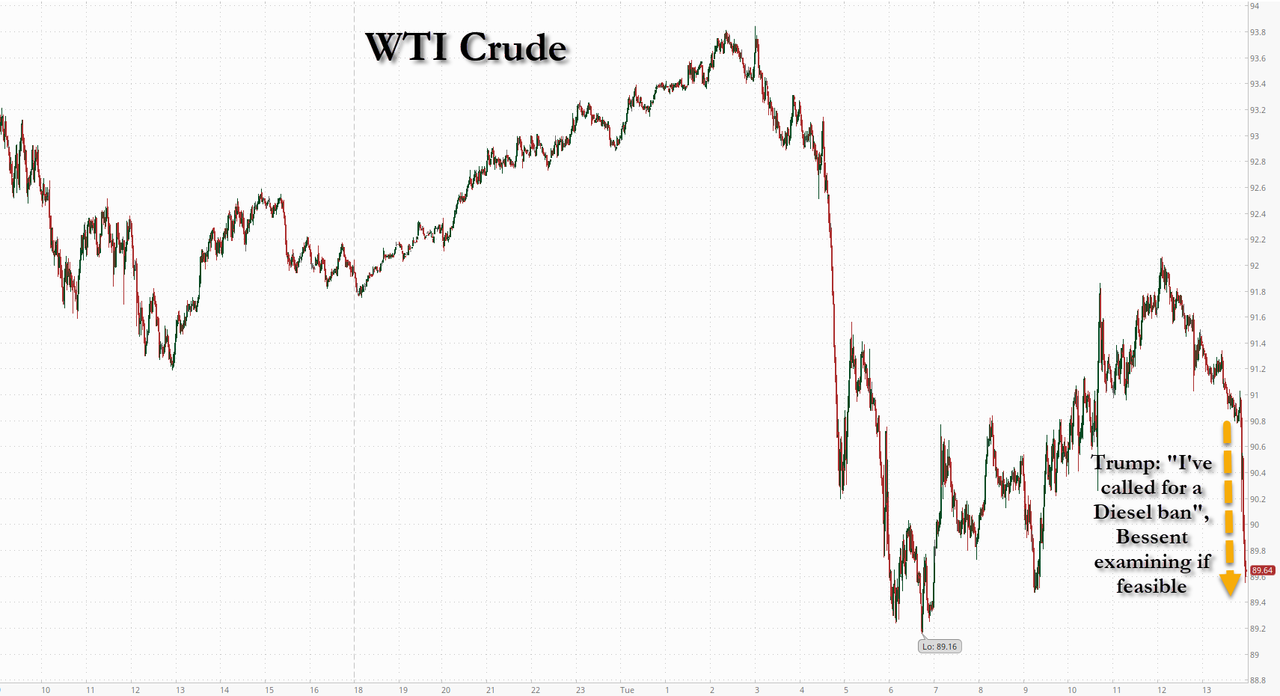
Oil benchmarks moved higher on Friday, reflecting heightened worries that Iran’s new draft regulation could tighten flow through the Strait of Hormuz, one of the world’s most critical chokepoints for petroleum transport.
- Brent futures for October delivery rose 1.22% to $83.50 per barrel.
- U.S. West Texas Intermediate (WTI) futures for September advanced 1.11% to $78.15 per barrel.
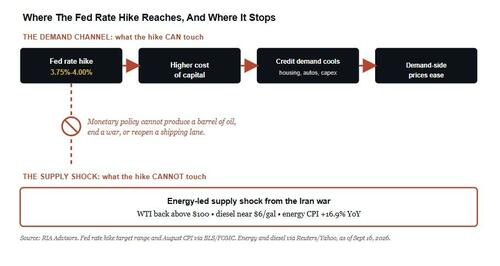
Analysts at Westpac noted that the price lift “signals that a further inflationary impulse from energy and the situation in the Middle East cannot be discounted,” a sentiment that also pushed the U.S. dollar higher and government bond yields lower.
Iran’s Draft Plan and Its Implications
According to a draft proposal recently published by Iran, the country would prohibit U.S. and Israeli vessels from using the Hormuz waterway until compensation is paid. The document further states that other nations perceived to have harmed Iran would also be barred from transiting the strait.
While Iran and Oman are reportedly negotiating a formal agreement to clarify transit routes, no definitive deal has yet been announced. Media reports suggest a possible split: inbound traffic would remain within Iranian waters, whereas outbound traffic might be routed through Omani waters.
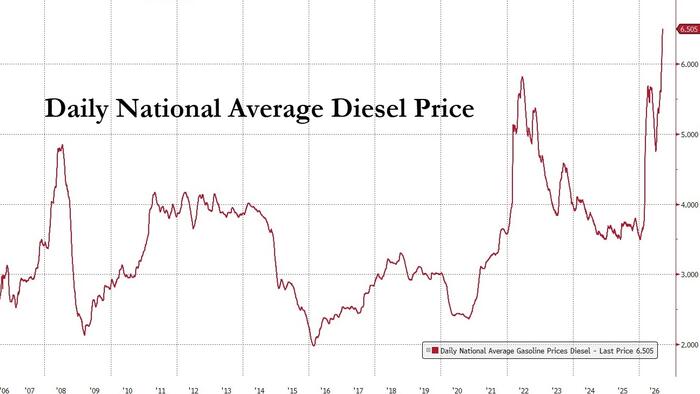
These developments have amplified concerns among market participants that any escalation could constrict the flow of crude and refined products through the region.
Additional Supply‑Chain Disruptions
The oil market is also feeling the after‑effects of recent geopolitical incidents. Ukrainian forces struck two major Russian refineries overnight—Yaroslavl/Yanos and Bashneft’s Novoil facility—potentially reducing Russia’s refining capacity. UOB analysts added that U.S. imports of Saudi crude fell to zero in July, the first time since 1985.
Such events compound the perception that supply could tighten if the Strait of Hormuz’s status changes or if further sanctions are imposed.
Political Commentary
U.S. President Donald Trump, speaking in the Oval Office, remarked that a war in Iran would likely end “pretty soon.” While not directly tied to the draft plan, his comments underscore the broader political uncertainty surrounding the region.
Market Outlook
The combination of Iran’s draft restrictions, ongoing negotiations with Oman, and recent attacks on Russian refining infrastructure has led traders to view the Strait of Hormuz as a potential flashpoint. If the draft is adopted or if the situation escalates, market participants could see further upward pressure on oil prices and increased volatility.
Investors are advised to monitor developments closely, especially any official confirmation of Iran’s regulatory changes and the status of the Iran‑Oman transit agreement. Additionally, the impact of Ukrainian strikes on Russian refining capacity may continue to influence supply dynamics.
Bottom Line
Oil prices are currently reflecting a mix of geopolitical risk and supply‑chain disruptions. The draft plan from Iran, which could restrict U.S. and Israeli shipping through the Strait of Hormuz, is a key driver of the recent rally. Coupled with attacks on Russian refineries and a sharp drop in U.S. imports of Saudi crude, market participants remain on edge regarding potential supply constraints in the near term.