A Price Reversal at the Wrong Moment
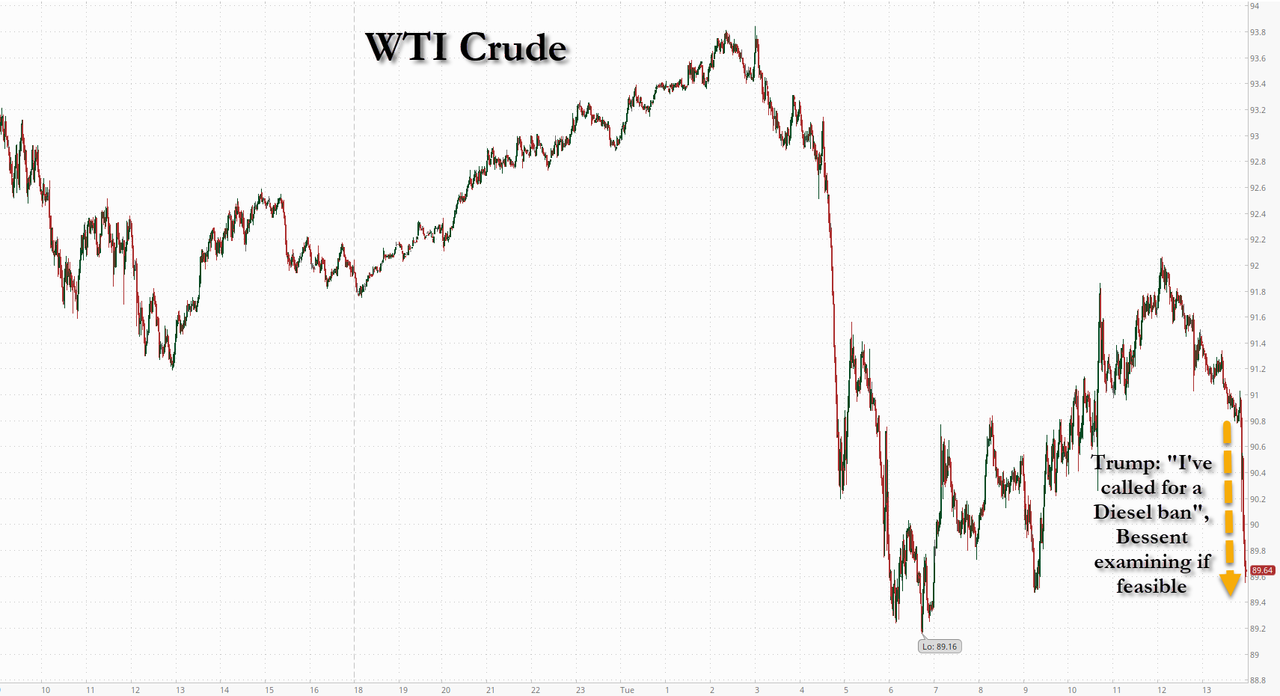
Crude oil has surged back above the psychologically significant $100-per-barrel level, a development that is immediately raising alarms among analysts tracking the inflation outlook. The timing is particularly sensitive: central banks are already operating within a constrained policy environment, and any new upward pressure on consumer prices threatens to narrow the room they have for rate decisions.
For forex traders, the key analytical point is not simply that oil is expensive, but that its resurgence arrives when policymakers are already navigating a complex and difficult path. A one-off spike might be absorbed; a sustained elevation in energy costs, however, carries far more weight in the inflation equation.
Inflation Persistence and the Central Bank Dilemma
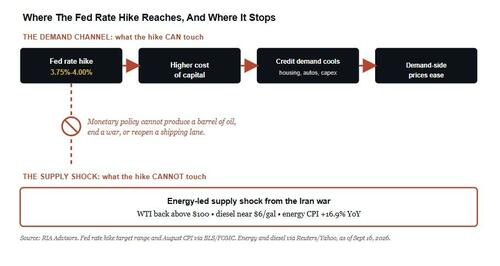
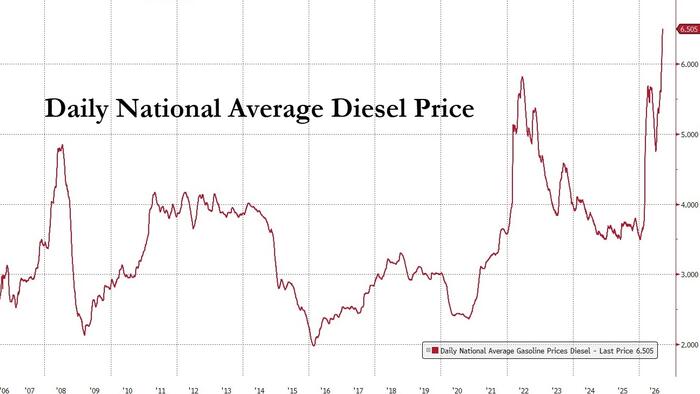
The core risk highlighted by the current oil move is duration. A prolonged shock in energy prices has the potential to keep consumer price inflation elevated well beyond the period markets have priced in. This matters because central banks' credibility rests on anchoring expectations, and a new wave of price pressure—especially one fed by an input cost as broad-reaching as crude—can erode that anchor.
The practical implication for policy is a tightening of the decision space. Banks that were weighing the balance between growth support and price stability now face a scenario where the inflation side of the ledger grows heavier, potentially forcing a more restrictive stance than previously anticipated or delaying any easing cycle.
Implications for Currency Positioning
From an analytic standpoint, traders should treat the $100 oil threshold not as an isolated commodity event but as a leading indicator for the next leg of monetary policy divergence. If central banks respond by holding rates higher for longer, or by pivoting back toward tightening, the resulting yield differentials will transmit directly into cross-currency flows.
The critical watch-point is whether the oil price stabilises above $100 or retreats. A sustained breach signals a more entrenched inflation risk and strengthens the case for hawkish policy, while a quick pullback may prove to be a temporary headline rather than a structural shift. Until the picture clarifies, positioning that assumes a smooth, predictable rate path carries elevated risk.