1. Understanding Interest‑Rate Differentials
The core of the carry trade is the difference between the borrowing cost in one currency and the earning potential in another. When a currency is backed by a higher interest rate, the potential return on a long position in that currency is larger than the cost of financing a short position in a lower‑rate currency. The profit is the net spread, typically expressed in pips or as a percentage of the notional amount.
Key concepts:
- Borrowing currency: The currency with the lower rate, used to fund the trade.
- Funding cost: The interest rate (or swap/rollover fee) you pay to hold the short position.
- Earning currency: The currency with the higher rate, which provides the carry.
- Net carry: Earning currency rate minus borrowing currency rate, adjusted for transaction costs.
Because interest rates are set by central banks, the differential is largely driven by monetary policy cycles and macroeconomic fundamentals. A stable, higher‑rate environment makes a carry trade more attractive, whereas tightening or easing cycles can erode the spread.
2. Building a Carry Trade Position
2.1 Selecting Currency Pairs
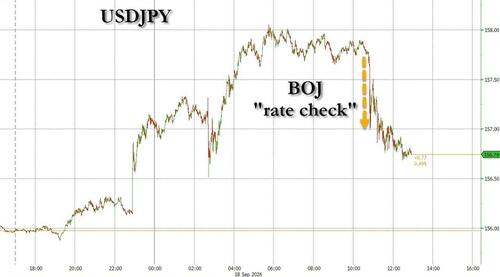
Choose pairs where the funding cost is significantly lower than the earning potential. Common examples include borrowing from a low‑rate currency such as the Japanese yen or Swiss franc and investing in a higher‑rate currency like the Australian dollar or New Zealand dollar. Avoid pairs with high transaction costs or liquidity constraints.
2.2 Funding the Trade
- Leverage: Most brokers offer leverage, but higher leverage increases margin requirements and risk exposure. A 1:10 or 1:20 ratio is typical for carry trade setups.
- Margin: Ensure you maintain sufficient margin to absorb adverse moves. A good rule of thumb is to keep margin at no more than 20% of the notional value.
- Swap rates: Verify that the broker’s swap rates reflect the actual interest differential. Some brokers adjust rates for operational costs.
2.3 Position Sizing
Use a fixed‑fractional approach: risk a small, consistent percentage of equity on each trade. For example, risk 1–2% of account equity per trade and adjust position size accordingly. This method prevents large losses from a single adverse move.
3. Managing Risk and Volatility
3.1 Currency Correlation
A carry trade is not isolated; the currencies you trade often move in tandem with global risk sentiment. When risk appetite falls, investors flee safe‑haven currencies, widening spreads and increasing volatility. Monitor correlation matrices and consider hedging strategies if correlations rise.
3.2 Interest Rate Changes
Central bank policy shifts can alter the differential overnight. If the earning currency’s rate is expected to fall or the borrowing currency’s rate to rise, the carry can evaporate. Stay informed about policy announcements and adjust positions pre‑emptively.
3.3 Stop‑Loss and Trailing Stops
Place a stop‑loss at a level that protects capital without triggering on normal market noise. A trailing stop can lock in gains while allowing the trade to run with the spread. Typical stop‑loss levels range from 30 to 60 pips, depending on volatility.
3.4 Liquidity and Execution
Large orders can move markets, especially in less liquid currency pairs. Use limit orders for entry and exit to control slippage. Consider trading during periods of high liquidity if the broker’s spread is tight.
4. Timing the Exit: When to Close the Position
4.1 Profit Targets
Set a realistic profit target based on the carry spread and expected holding period. A common practice is to aim for a return equal to a multiple of the spread, such as 1.5× the daily carry. Adjust the target if the spread narrows.
4.2 Spread Compression
If the spread shrinks due to policy changes or market conditions, the net carry may become negative. Closing the trade before the spread turns negative preserves capital and avoids forced exits at unfavorable prices.
4.3 Risk‑Reward Rebalance
Reassess the risk‑reward ratio periodically. If the potential reward decreases or the risk increases, consider scaling out or taking partial profits. A disciplined approach prevents overexposure when market dynamics shift.
4.4 Exit Scenarios
- Target reached: Close the position to lock in profits.
- Spread turns negative: Exit to avoid losses.
- Stop‑loss triggered: Accept the loss and review trade parameters.
- Fundamental shift: If macroeconomic data suggests a reversal in interest rates, exit early.
By combining a clear understanding of interest‑rate mechanics, disciplined position sizing, vigilant risk management, and a structured exit strategy, traders can harness the carry trade’s potential while mitigating the inherent risks of currency markets.